Operations Center and Utility Headquarters Continuity Protocols
Commercial roofing for Denver-area energy company offices and facilities - Xcel Energy, Black Hills Energy, DCP Midstream, Liberty Oilfield Services, Western Midstream, DMEA - with chemical-exposure specification and operations-continuity protocols.
Colorado is the Mountain West's energy hub - Xcel Energy's regional headquarters, Black Hills Energy, DCP Midstream's Denver offices, Liberty Oilfield Services, Western Midstream Partners, and the Delta-Montrose Electric Association all operate from Colorado facilities. The energy sector's roofing requirements span corporate office buildings, operations centers, and industrial facilities with chemical exposure profiles that shape system specification.
Colorado's energy sector occupies a distinctive position in the Denver commercial real estate market. Xcel Energy - the dominant investor-owned utility serving most of the Denver metro - operates its regional headquarters and operations centers from facilities across the metro that require continuity-sensitive roofing protocols. The natural gas midstream sector, historically significant in Colorado, is rooted in DCP Midstream's Denver headquarters and Western Midstream Partners. Liberty Oilfield Services, a major oilfield services company, maintains significant Denver operations as part of its Weld County and Denver basin service territory. The Delta-Montrose Electric Association, while serving a rural cooperative territory in western Colorado, operates facilities infrastructure that intersects with the Denver market's broader energy utility sector.
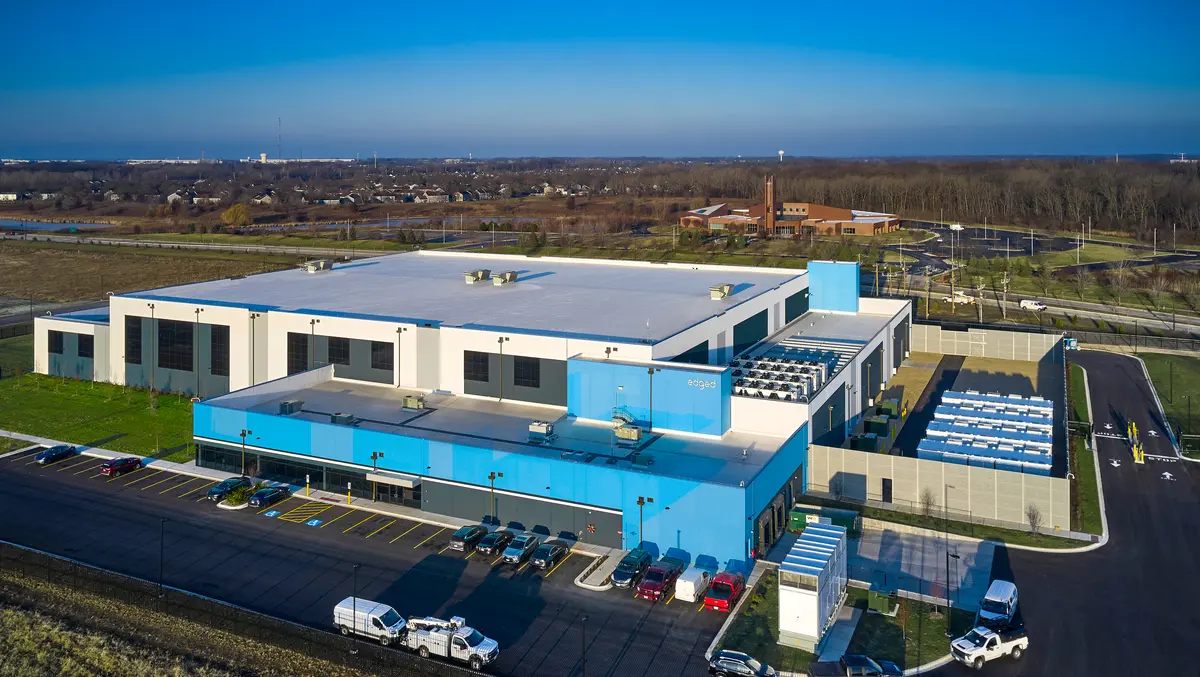
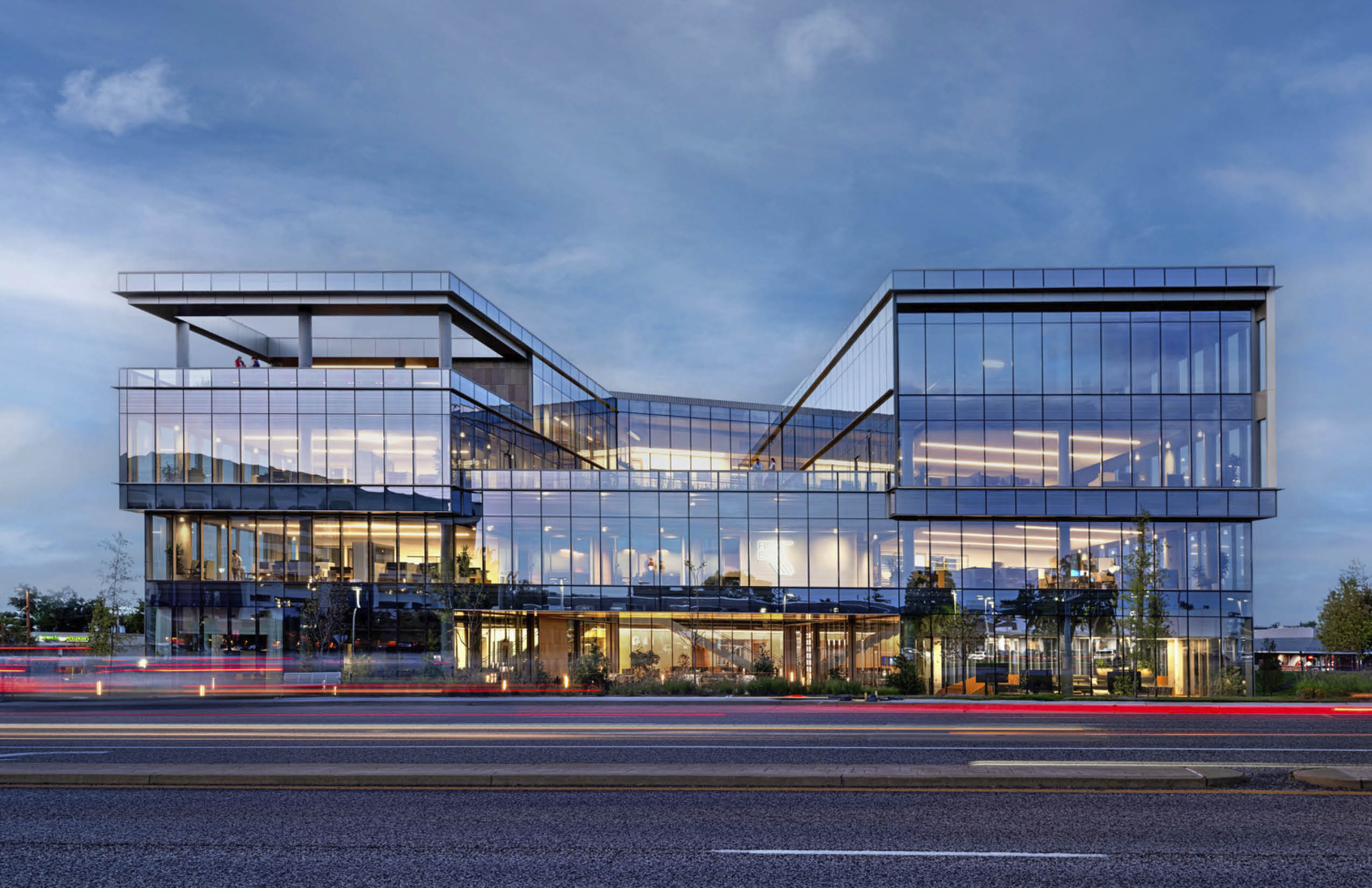
Energy sector facilities span a wide range of building types whose roofing requirements differ substantially. Corporate headquarters and operations center buildings - Class A and Class B office buildings in the Denver Tech Center, the LoDo financial district, and the Cherry Creek corridor - have roofing requirements similar to other commercial office facilities, with the addition of the business-continuity and operations-center sensitivities that 24/7 energy operations demand. Field operations facilities, compressor stations, and industrial buildings along Colorado's gas gathering corridors carry chemical exhaust exposure profiles that require membrane and flashing specification beyond standard office-building defaults. Utility-scale operations buildings - electrical substations, gas metering stations, data centers for SCADA operations - have their own roofing requirements driven by the critical infrastructure status of what is inside.
Colorado's transition toward renewable energy has added a new category of energy facility roofing to the market. Xcel Energy's renewable energy operations include solar array facilities and wind energy support buildings across Colorado, and the growing community solar and distributed generation sector has created new-construction and maintenance demand for rooftop solar-adjacent commercial roofing across the Front Range. We scope these projects with the same Class 4 impact-resistance discipline we apply to all Colorado commercial roofing - renewable energy facilities in Colorado are in the same hail belt as every other building in the market.
Xcel Energy's operations centers serve as the nerve centers for electrical grid management across Colorado. A roofing disruption event - unplanned water intrusion, a moisture event during an emergency repair - at an operations center that manages grid dispatch has consequences well beyond the building itself. We apply the same business-continuity pre-construction protocol to Xcel operations center roofing that we apply to financial services and data center work: formal discussion with the facility manager and risk management team about the continuity classification, an agreed escalation protocol for any unplanned event, and a production schedule that identifies every operational risk in the production sequence before mobilization.
DCP Midstream's Denver headquarters and the Denver offices of energy companies in the Tech Center and LoDo corridors represent the corporate office side of the energy sector. These buildings have standard Class A office roofing requirements with the addition of the trading floor and operations center sensitivities that characterize the sector - commodity market operations are running continuously and a roofing disruption that affects the operations floor has commercial consequences that facilities managers in other sectors do not face.
Industrial Facility and Compressor Station Chemical Exposure
Natural gas compressor stations and processing facilities along Colorado's gas gathering corridors - Weld County, the Denver basin, and the western slope routes that connect to Denver market operations - carry exhaust profiles at rooftop penetrations that include hydrocarbon vapor, nitrogen oxide emissions from gas turbine drivers, and high-temperature exhaust stacks. Standard TPO flashing at high-temperature exhaust penetrations degrades faster than the membrane itself in these environments. We specify PVC or KEE-based flashing material at combustion exhaust penetrations and chemical process exhaust stacks, and we confirm the exhaust temperature and chemical composition at each penetration with the facility's mechanical engineer before finalizing the flashing specification.
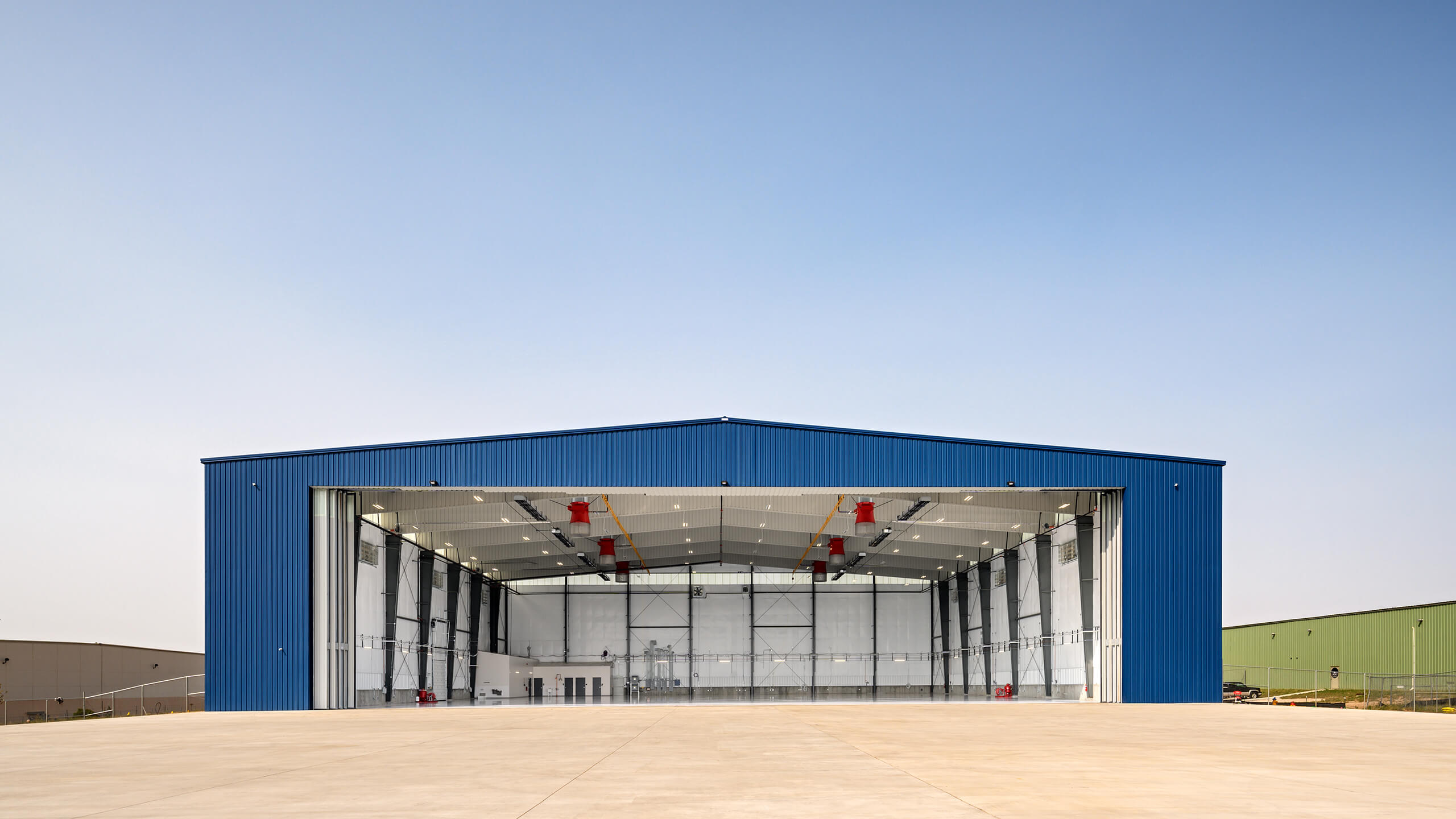
Liberty Oilfield Services' field operations facilities, equipment yards, and maintenance buildings in the Denver basin represent the industrial end of the energy sector building spectrum. These buildings combine large-span metal deck, heavy equipment traffic on the roof from maintenance crane operations, and the elevated UV and hail exposure of eastern Colorado locations. Fully adhered TPO or PVC over HD cover board is the standard specification for Liberty Oilfield's facilities in open-terrain Adams and Weld County locations where mechanically attached systems face elevated wind-uplift exposure and hail frequency.
Renewable Energy Facility and Rooftop Solar Coordination
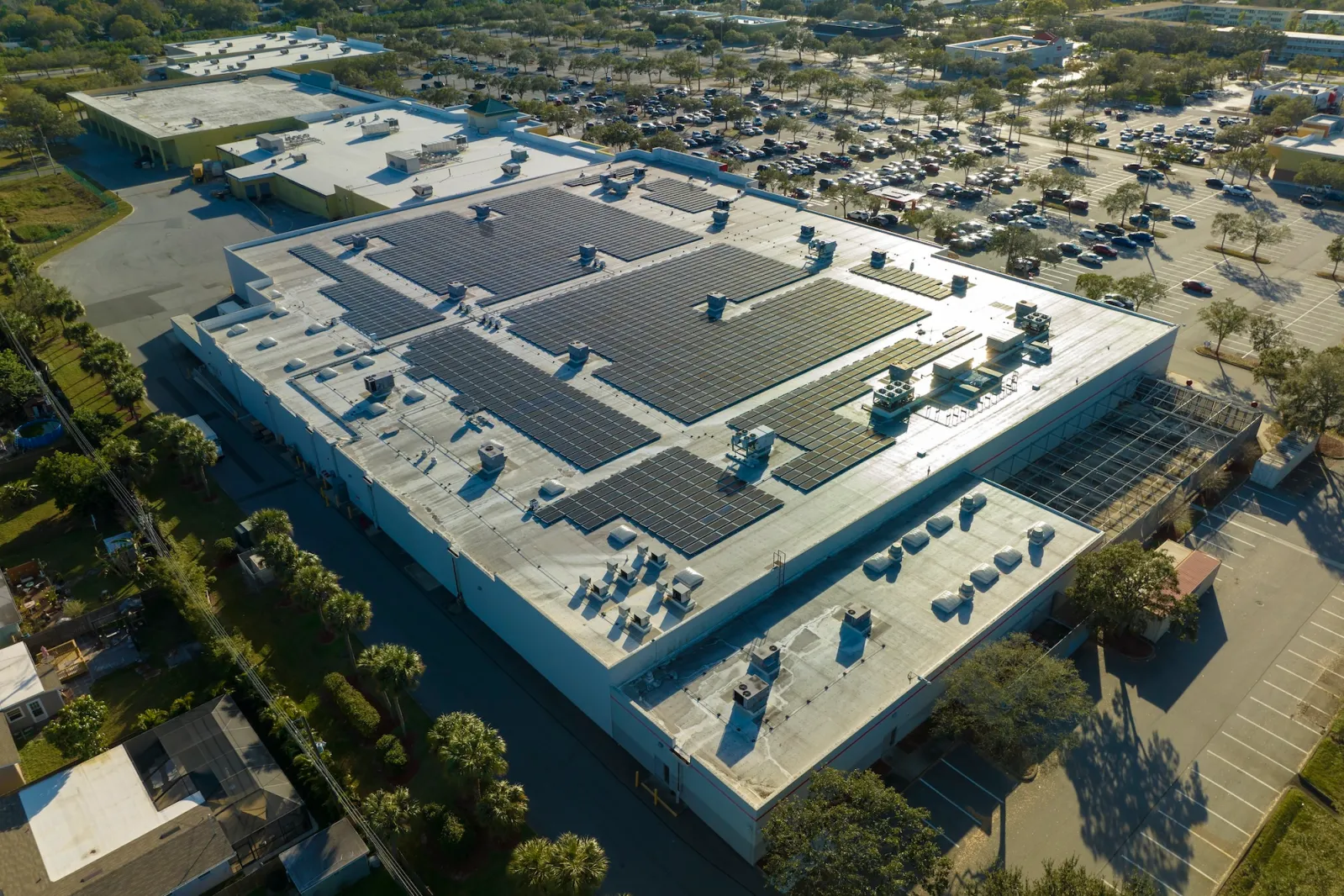
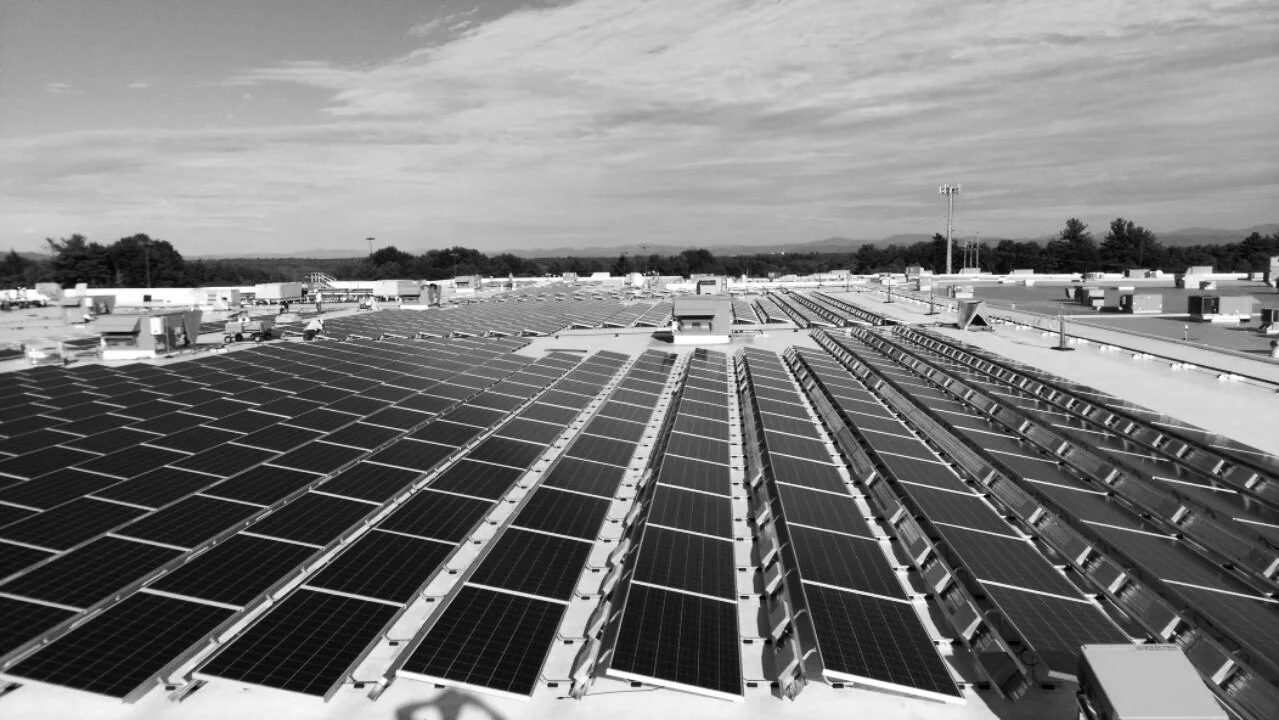
Colorado's renewable energy sector has produced a growing inventory of new-construction and existing commercial buildings with rooftop solar arrays. Xcel Energy's community solar programs and corporate renewable energy commitments have driven solar installation across the commercial real estate market, and roofing contractors working in this market need to know how to coordinate with solar installers and O&M contractors on roof replacement projects where an existing array must be temporarily removed and reinstalled.
We treat rooftop solar array coordination on energy sector buildings the same way we treat it on technology campuses - coordinate with the O&M contractor on panel removal and reinstallation sequencing, confirm de-energization before work begins in the array zone, document panel removal and reinstallation against the original racking specification, and specify Class 4 impact-resistant membrane under the reinstalled array. In Colorado's hail belt, the membrane under a solar array sees hail exposure through gaps in panel coverage - specifying a non-rated membrane under an array in order to save $0.30 per square foot on the cover board is a decision that tends to cost significantly more within the next hail season.
Frequently asked questions
How do you handle roofing above Xcel Energy operations center facilities?
We apply our business-continuity pre-construction protocol to utility operations centers: formal discussion with the facility manager and risk team about continuity classification, an agreed escalation protocol for any unplanned event, and a production schedule that identifies every operational risk before mobilization. We do not begin production on an operations center without that protocol in place and documented.
How do you specify flashing at natural gas compressor station exhaust stacks?
We confirm the exhaust temperature and chemical composition at each penetration with the facility's mechanical engineer before finalizing the flashing specification. Standard TPO flashing degrades faster than the membrane at high-temperature or chemically aggressive exhaust penetrations. We specify PVC or KEE-based flashing material at those specific penetrations, not across the full project - only where the exhaust profile requires it.
Can you coordinate roofing replacement with an existing rooftop solar array on an energy facility?
Yes. We coordinate with the solar O&M contractor on panel removal and reinstallation sequencing, confirm de-energization before work in the array zone, and document the reinstallation against the original racking specification. We specify Class 4 impact-resistant membrane under the reinstalled array as a standard line item - hail exposure through panel gaps is the most common cause of premature membrane failure under solar arrays in Colorado.
What membrane systems do you recommend for Liberty Oilfield Services industrial facilities in open-terrain eastern Colorado locations?
Fully adhered TPO or PVC over HD cover board is the standard specification for large-span industrial buildings in open-terrain Adams and Weld County locations. Open-terrain exposure categories require higher fastener densities in mechanically attached systems than sheltered urban sites, and the same hail-zone exposure that applies across the Denver metro applies - often more intensely - in the eastern Colorado industrial corridors.
Energy sector facility roofing in the Denver metro or Front Range?
Our project managers are experienced with utility operations continuity protocols, industrial facility chemical exposure specification, and rooftop solar coordination on Colorado energy sector buildings.
| Scope Format | Written roof plan and photo record |
|---|---|
| Primary Market | Denver commercial buildings |