Federal Facility and Security Requirements for Aerospace Campuses
Commercial roofing for Denver-area manufacturing and aerospace facilities - Lockheed Martin Space Waterton, Raytheon Aurora, Ball Aerospace, ULA, Sundyne - with production-continuity sequencing and large-span metal deck specification.
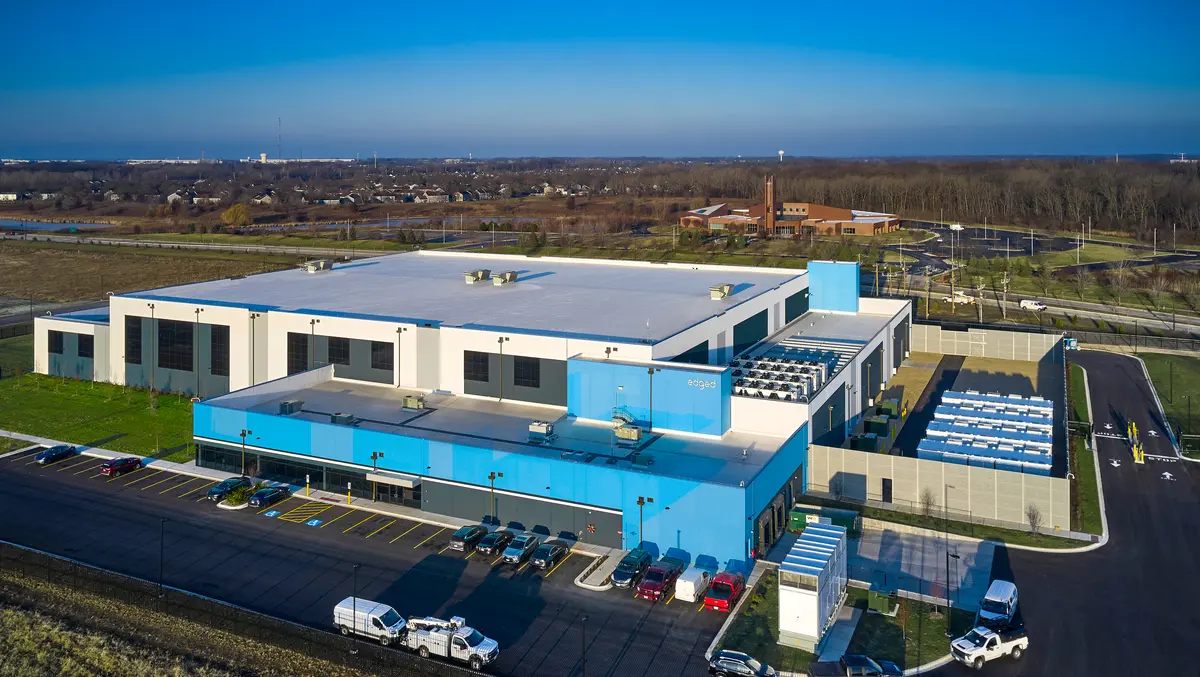
Colorado's manufacturing sector is defined by aerospace and defense - Lockheed Martin Space at Waterton Canyon in Littleton, Raytheon Intelligence and Space in Aurora, Ball Aerospace in Boulder, United Launch Alliance in Centennial. These are not standard commercial buildings. They carry federal facility requirements, large-span metal deck conditions, and production schedules that cannot absorb unplanned disruptions.
Colorado's manufacturing base is disproportionately aerospace and defense, and the facilities that house it are disproportionately complex from a roofing standpoint. Lockheed Martin's Space operations at Waterton Canyon in Littleton occupy one of the most security-conscious industrial campuses in the Rocky Mountain region - a facility where contractor vetting, clearance verification, and federal acquisition regulation compliance are baseline requirements before any work begins. Raytheon Intelligence and Space in Aurora, Ball Aerospace in Boulder, and United Launch Alliance in Centennial operate under similar frameworks. These facilities carry large-span metal deck systems, specialized HVAC for cleanroom and controlled-atmosphere production areas, and rooftop antenna arrays and satellite communication equipment that require specific flashing and penetration protocols.
Colorado's industrial base beyond aerospace includes Sundyne in Arvada - a global manufacturer of centrifugal pumps and compressors with a large campus in Jefferson County - and Vestas, which operates wind turbine manufacturing operations in Pueblo. The I-70 corridor through Commerce City and Adams County contains a mix of heavy industrial manufacturing, petroleum refining, and chemical processing facilities whose rooftop environments include aggressive exhaust emissions and elevated fire-load requirements that shape membrane and insulation selection. Manufacturing facilities on the northern Front Range, from Longmont through Fort Collins, include electronics manufacturing, bioscience production, and food processing operations, each with specific rooftop requirements.
The common thread across all manufacturing roofing is production continuity. A manufacturing facility cannot absorb an unplanned shutdown from a roof leak or a contractor error any more than a hospital can. We sequence production around the facility's
Lockheed Martin's Waterton Canyon campus in Littleton includes facilities that require cleared contractor personnel and compliance with federal acquisition regulations for any construction work on the campus. We manage the contractor vetting process - security badge requirements, cleared personnel scheduling, and compliance documentation - as a standard part of our pre-construction scope for federal facility work. Ball Aerospace in Boulder and United Launch Alliance in Centennial have similar, though distinct, access protocols that we navigate through our pre-construction checklist.
Federal facility closeout documentation differs from standard commercial closeout packages. Federal facilities management programs require specific inspection records, as-built documentation formatted to agency standards, and warranty documentation that identifies the facility by federal real property number. We have produced closeout packages that
Large-Span Metal Deck Conditions and System Specification
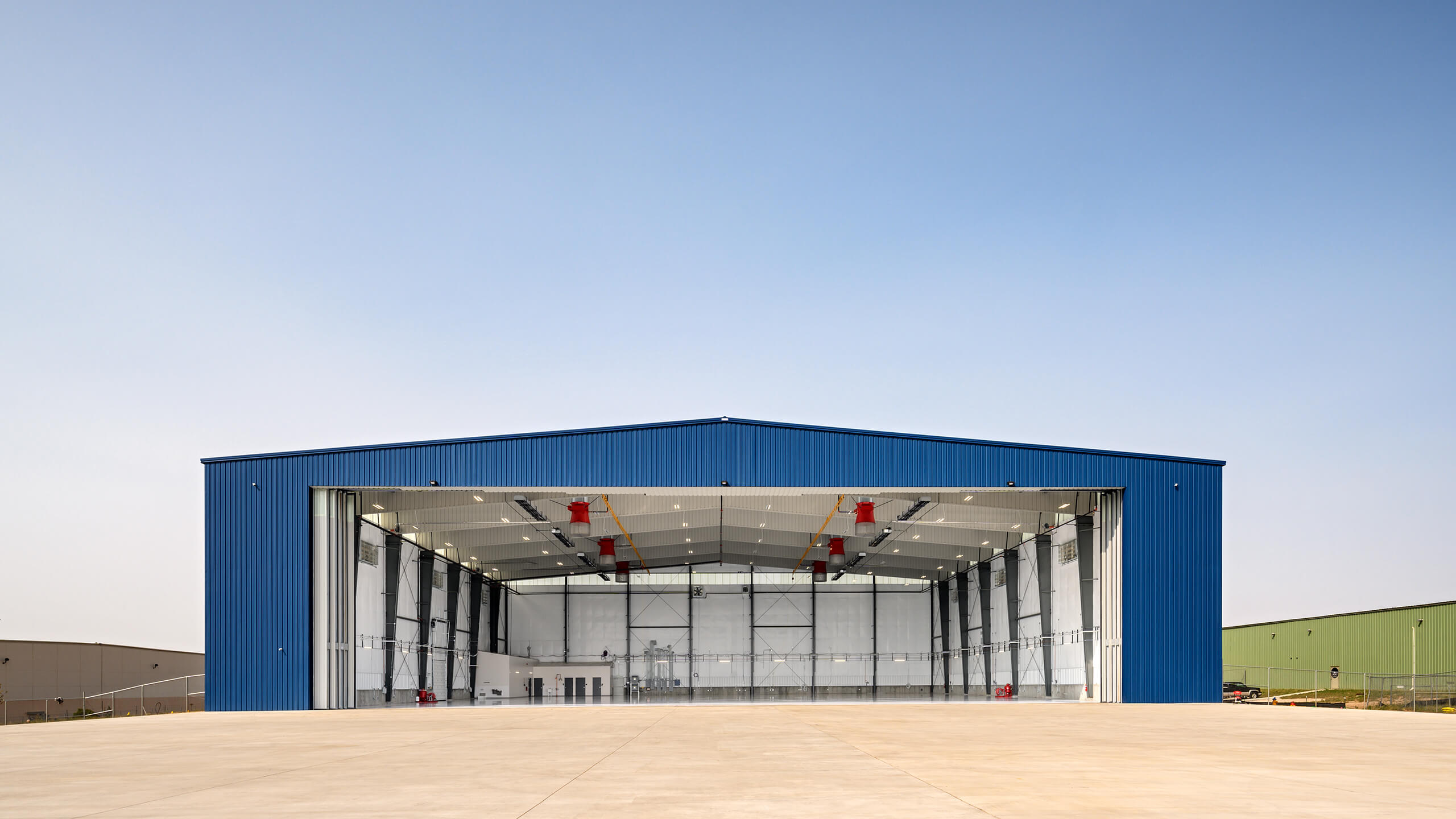
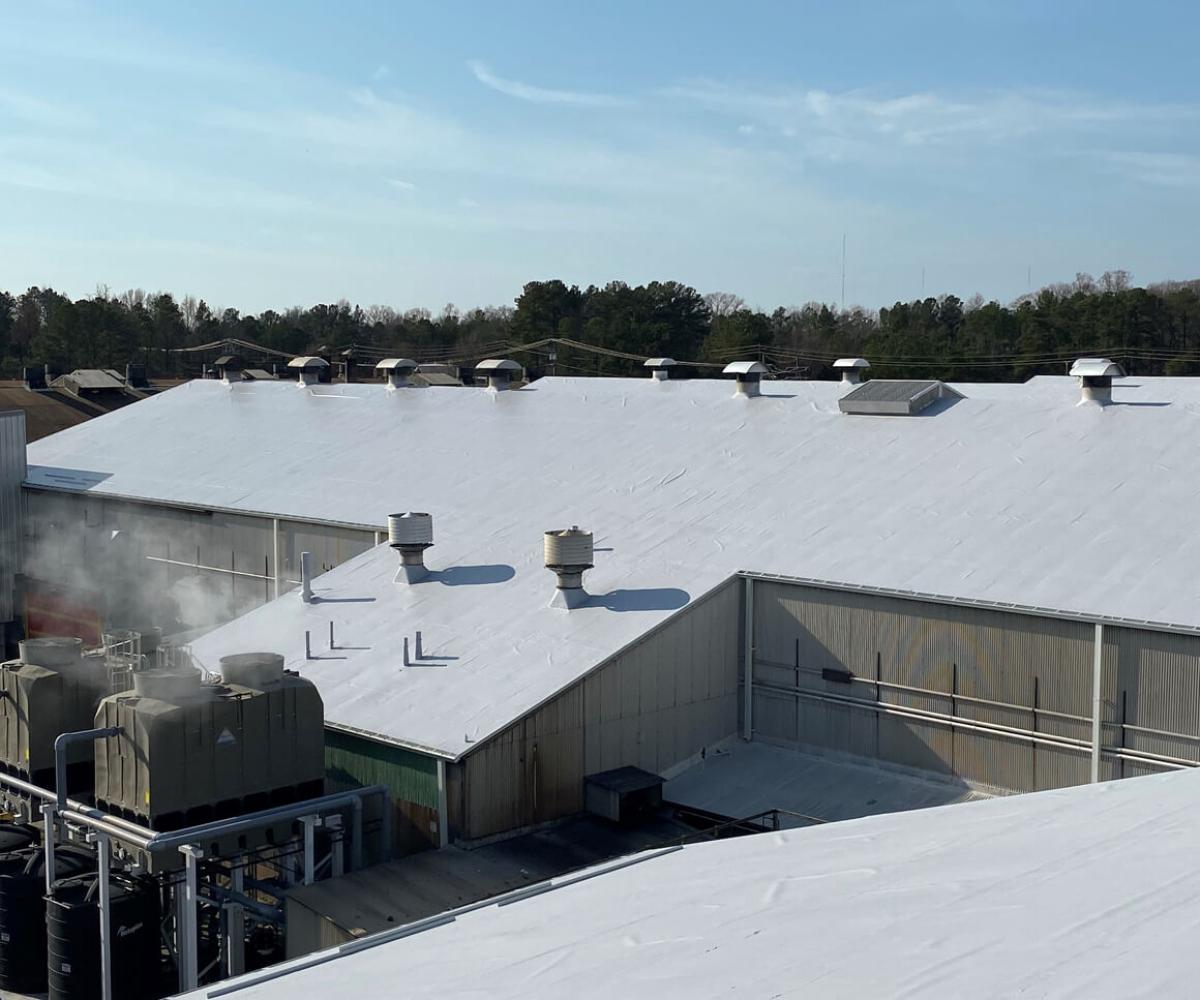
Aerospace and heavy manufacturing buildings routinely use long-span steel deck - 22-gauge or lighter, spanning 10 to 12 feet between purlins - that behaves differently under membrane attachment than standard commercial deck configurations. Fastener pullout values are lower, thermal expansion across a large clear-span building is greater, and the building's natural vibration from overhead crane operations creates fatigue stress at mechanical attachment points that is not present on standard office or retail buildings.
For large-span manufacturing buildings, we specify fully adhered TPO or PVC systems where the structural analysis supports full adhesion, or higher-density mechanically attached systems with fastener patterns designed for the deck gauge and span. We pull test fasteners on every project before specifying the density - a fastener density derived from a table assumes a deck gauge and condition that we verify in the field. Raytheon's Aurora campus and similar large-span defense industrial buildings in the metro have had previous reroofs specified on assumed deck conditions that the field did not match. We do not repeat that mistake.
Production-Continuity Sequencing and Exhaust Coordination
Manufacturing facilities in Commerce City and Adams County - including petroleum refining and chemical processing operations near the Suncor refinery footprint - carry rooftop exhaust profiles that require membrane and flashing selection beyond standard commercial specification. High-temperature exhaust stacks, chemical process exhaust, and petroleum vapor exhaust at flashing interfaces require PVC or KEE-based flashing material rated for the temperature and chemical exposure at those specific penetrations.
Production sequencing on any manufacturing facility starts with the plant manager's production calendar. We identify the scheduled maintenance shutdowns - typically annual or semi-annual - and align the roofing production schedule with those windows where possible. Production areas that cannot tolerate an overhead moisture event during production hours get sequenced for tear-off and same-day dry-in only during approved windows. We do not propose a production sequence without first confirming it against the plant's operating schedule.
Frequently asked questions
Can you work on Lockheed Martin or Ball Aerospace campuses that require security clearance?
We manage the contractor vetting process for federal facility work, including security badge requirements and cleared personnel scheduling for campuses that require it. This is a standard part of our pre-construction scope for aerospace and defense facility roofing. We do not show up to a cleared facility without having completed the access documentation process in advance.
How do you specify systems for large-span metal deck buildings?
We perform in-field fastener pull tests on every large-span manufacturing building before specifying fastener density. We do not rely on table values for deck gauge and span configurations that we have not verified in the field. For long-span steel deck with documented pullout limitations, we specify fully adhered systems where the structural analysis supports it, and higher-density mechanical attachment where it does not.
How do you handle roofing above active production lines?
We sequence production around the plant manager's operating calendar and build the production schedule around scheduled maintenance windows where the plant's activity level permits overhead work. Production areas that cannot tolerate moisture risk during operating hours get tear-off and dry-in sequenced within approved windows only, with same-day dry-in as the non-negotiable close-of-shift requirement.
Can you handle the exhaust and chemical exposure requirements on industrial facilities near Commerce City?
Yes. High-temperature or chemically aggressive exhaust penetrations at Commerce City industrial facilities get PVC or KEE-based flashing material specified at those specific penetrations, not standard TPO flashing. We confirm the exhaust profile for each penetration with the plant's engineering team before specifying the flashing detail.
Manufacturing or aerospace facility roofing in the Denver metro?
Our project managers are experienced with federal facility access requirements, large-span metal deck specification, and production-continuity sequencing on occupied manufacturing buildings across the Front Range.
| Scope Format | Written roof plan and photo record |
|---|---|
| Primary Market | Denver commercial buildings |