Why Denver car wash roofs fail from the inside out
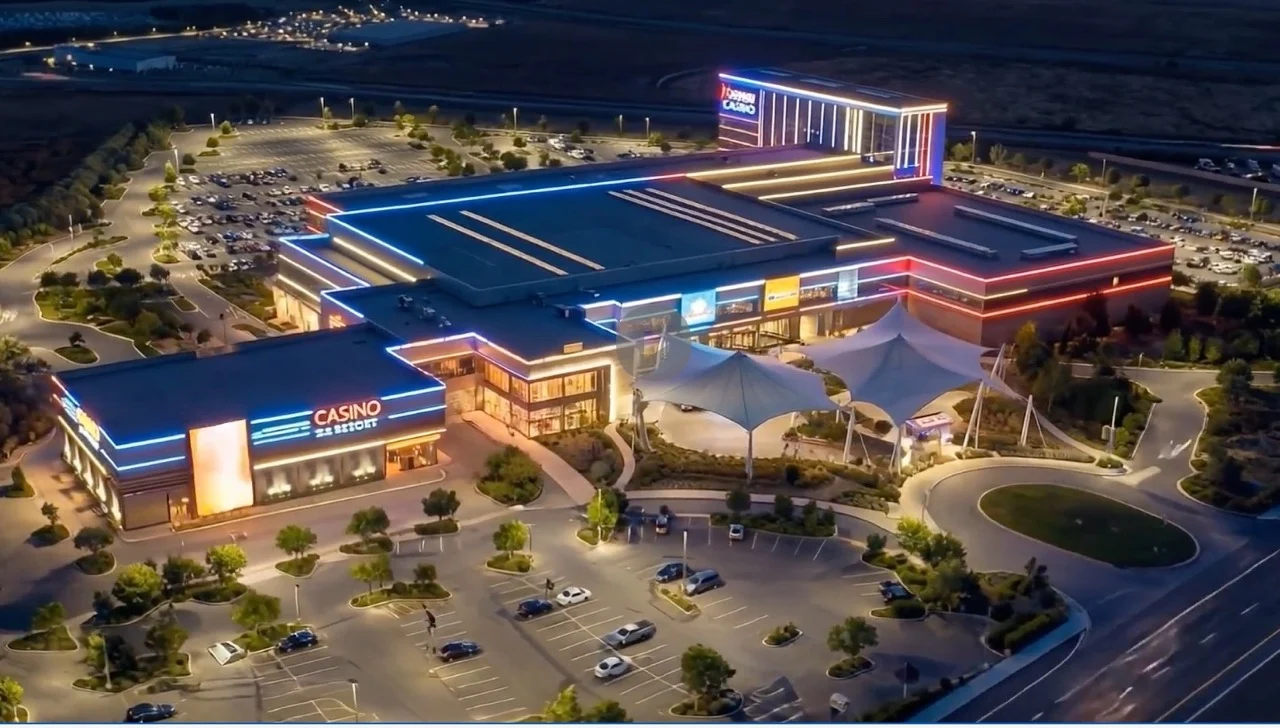
Denver car wash roofing for express tunnels, in-bay autos, and full-service washes.
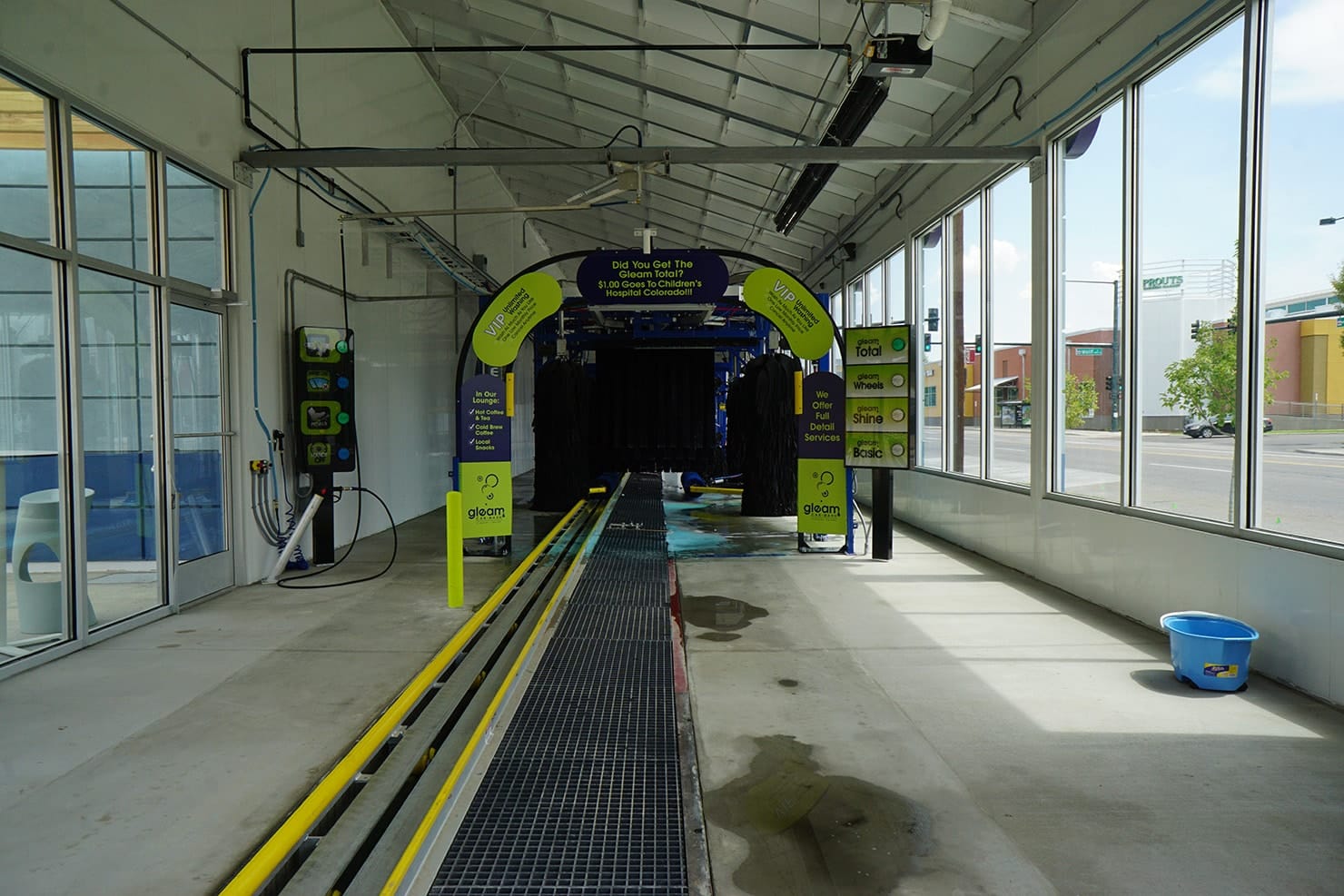
A car wash is one of the few commercial buildings where the roof is attacked harder from below than from above. Every wash cycle fills the tunnel with warm mist carrying detergents, tire-shine solvents, rust inhibitors, and drying agents. That vapor rises, hits the underside of the deck, and condenses on the steel, the fasteners, and the backside of the insulation. On a typical Denver retail roof we worry about hail and ultraviolet exposure. On a wash building we are fighting corrosion and saturation that begin in the interior air and work outward, often invisible until a fastener backs out or a deck panel rusts through.
We see this constantly across the wash-heavy corridors of the metro. Federal Boulevard, South Broadway, Colorado Boulevard, and the Havana Street strip in Aurora are lined with older full-service tunnels, while the express-exterior format has exploded along Wadsworth in Lakewood, along Arapahoe Road in the southeast suburbs, and up the I-25 frontage toward Thornton and Westminster. Add Denver's long de-icing season, when cars drag magnesium chloride and road brine into the bays for months, and the chemical load on a Front Range wash roof is heavier than almost anywhere in the country.
The tunnel deck is the highest-risk zone we inspect
When we walk a wash building, we treat the tunnel as a separate roof from everything else. The bay directly over the wash equipment takes the full plume of heat, steam, and chemical particulate, and it cycles between hot-and-wet during operating hours and cold-and-dry overnight. That thermal swing, repeated thousands of times a year at Denver's altitude and temperature range, is brutal on seams and flashings. A membrane that performs fine over an office lobby can blister, lose adhesion, or suffer seam fatigue over a tunnel in a fraction of its rated life.
Membrane chemistry matters here more than on any other building type. The alkaline detergents and wax compounds used in modern wash packages are hard on some single-ply formulations, so we confirm the actual chemical menu a wash is running before we recommend a system for the tunnel bay. We also look hard at the vapor side: an interior vapor retarder and a venting strategy that lets the assembly dry are often more important than the membrane brand on the surface. Getting the moisture out of the assembly is the difference between a roof that lasts and one that rots quietly from within.
Drainage, equipment rooms, and the parts owners forget
Express and in-bay automatic washes tend to have less chemical vapor than a long full-service tunnel, but they trade that for drainage problems. Many of the pad-style buildings going up around Denver were value-engineered with minimal slope, and water sits over the equipment bay where it does the most damage. We map ponding on every wash inspection and design tapered insulation to actually move water to the drains, rather than assume the original slope still works after years of deck deflection.
The mechanical and equipment room is its own concern. Reclaim tanks, blowers, and chemical storage put humidity and corrosive air into a confined space with its own roof penetrations. We flash those penetrations as discrete details rather than lumping them into a generic curb spec, because the air leaving that room is not the same air leaving an office HVAC unit.
Vacuum canopies and customer canopies
Coatings and recover options that fit a wash budget
Not every wash roof needs a full tear-off, and the economics of a wash building reward catching it at the right moment. When the membrane is sound but aging and the insulation underneath is still dry, a fluid-applied coating system can extend the service life of the tunnel and the main building for years while sealing the seams and details that take the most abuse. The key word is dry: a coating over a saturated assembly traps the moisture and accelerates the corrosion we are trying to stop. That is why the moisture survey comes first and the recommendation follows the data. Where the assembly is wet or the deck is already compromised, we are honest that a coating is the wrong tool and a replacement is the responsible path. On the buildings where recover or coating genuinely fits, it lets an operator keep capital working in the business while still protecting the asset.
Working without shutting the wash down
Wash operators in Denver run seven days a week through most of the year, and the busiest days are exactly the sunny weekends when we would otherwise want crews on a roof. We plan around that. Tunnel-bay work is staged for the early-morning or late-evening close window, when the equipment is off and the air has cleared. Exterior building and canopy work can usually proceed during business hours with traffic control that keeps the queue lane and the exit clear of our staging. Before we price anything we confirm the operating calendar so the schedule protects revenue instead of fighting it.
- A separate condition assessment for the tunnel bay, the equipment room, the main building, and every canopy structure
- Moisture survey and core sampling to find saturated insulation and corroding deck before it shows as an interior leak
- A membrane and flashing recommendation matched to the specific wash chemistry and the interior vapor load
- Tapered insulation design geared to documented ponding, not the original drawings
- A phasing plan that keeps the wash open and the queue moving during the work
Talk to us before the deck gives out
The worst car wash roof calls we get are the ones where a fastener field has already corroded or a deck panel has rusted through over the tunnel, because by then the fix is structural, not just a membrane replacement. A scheduled inspection that looks at the underside conditions, the vapor path, and the canopy transitions will catch the slow interior damage while it is still affordable. If you operate a wash anywhere on the Front Range, we can walk it, document what the chemical and moisture environment is doing to your assembly, and give you a written scope and a realistic timeline.
| Scope Format | Written roof plan and photo record |
|---|---|
| Primary Market | Denver commercial buildings |