Colorado 2018 IECC Requirements for Denver Commercial Roofs
Cool roof systems for Denver commercial buildings - Colorado 2018 IECC compliance, white TPO and EPDM reflective membranes, Xcel Energy rebate documentation, and HVAC load reduction analysis for Front Range commercial buildings.
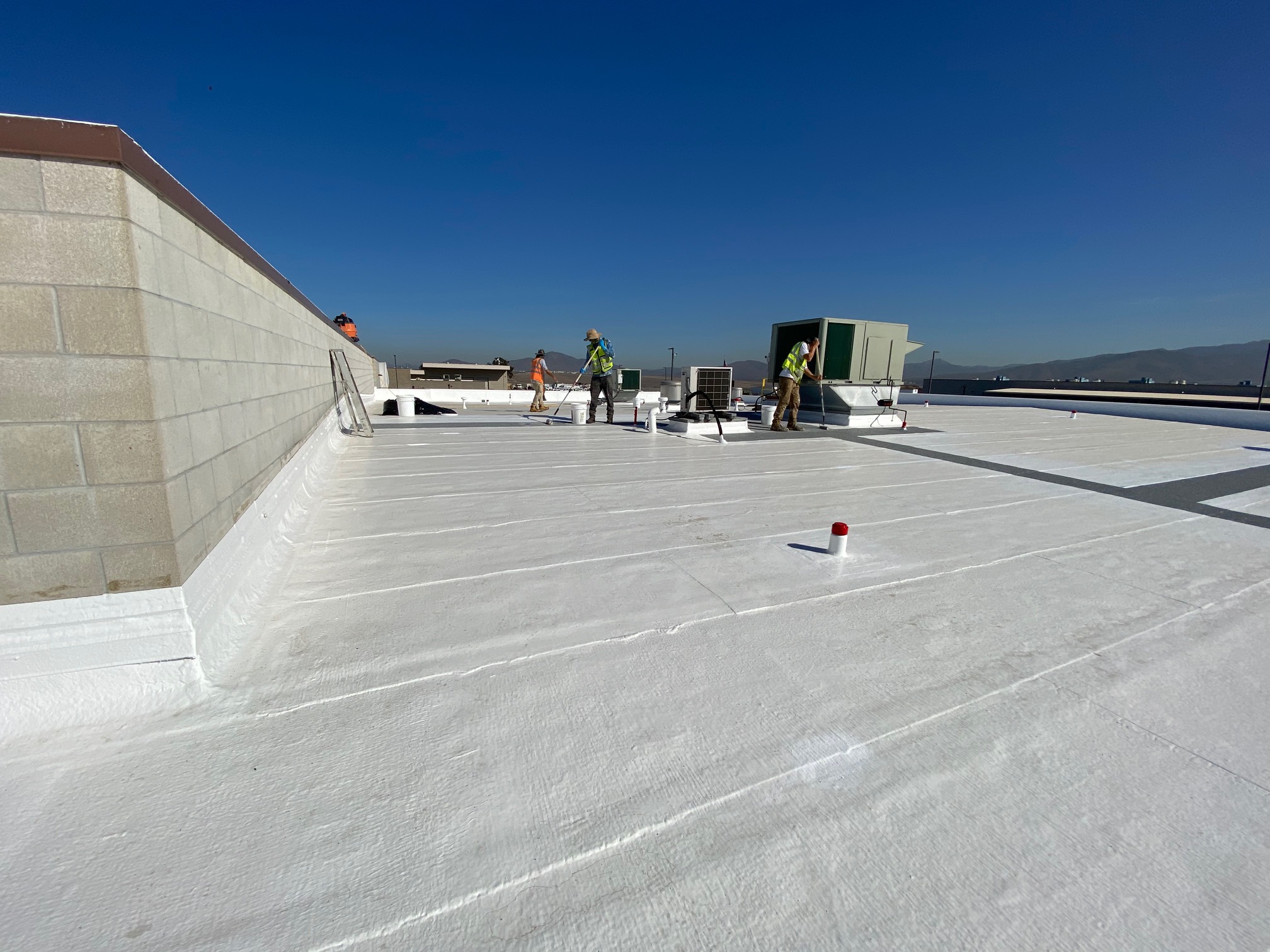
Denver's 5,280-foot altitude delivers 25 to 30 percent more UV intensity than sea-level markets - and the Colorado 2018 IECC energy code requires minimum reflectance values on low-slope commercial roofs in new construction and qualifying reroofs. We install white TPO and EPDM membranes, reflective silicone coatings, and document CRRC compliance and Xcel Energy rebate qualification at project closeout.
The thermal case for cool roofs in Denver operates on slightly different logic than in cities like Dallas or Phoenix. Denver's Climate Zone 5 classification under the 2018 IECC acknowledges the heating-load reality of Colorado winters - a roof that reflects solar radiation in summer also forgoes useful heat gain during the November through March period. That trade-off is real, and we account for it. However, the data for Denver commercial buildings consistently shows that the cooling-season HVAC load reduction from cool roof installation outweighs the marginal heating-season penalty on single-story commercial buildings where the roof assembly is the dominant heat-transfer pathway.
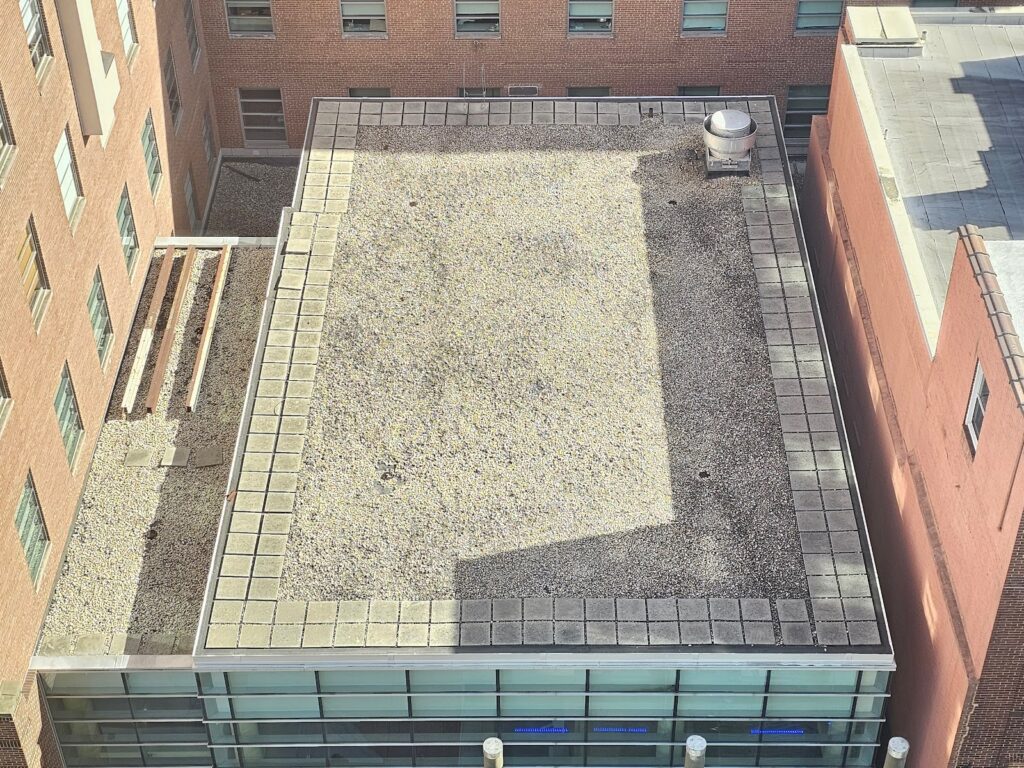
Colorado's 2018 IECC, as adopted through the Colorado Energy Code, requires minimum aged solar reflectance and thermal emittance for low-slope commercial roofs on new construction and major reroofs above the permit threshold. The standard white TPO and EPDM membranes we install already For buildings with existing dark membrane or legacy BUR systems, a reflective silicone or elastomeric coating is the most cost-effective path to code compliance.
At 5,280 feet, UV-driven membrane aging is faster than at lower elevations. White reflective membranes reduce rooftop surface temperatures and, simultaneously, slow the UV degradation that shortens membrane service life on dark roofs exposed to Denver's intense high-altitude solar radiation. The cool roof specification is both an energy compliance item and a membrane longevity specification in this market.
Colorado's 2018 IECC, adopted statewide and enforced through local jurisdictions including the City and County of Denver, requires minimum roof reflectance and emittance for low-slope commercial roofs in Climate Zone 5. The requirements for low-slope commercial roofs are: minimum aged solar reflectance of 0.55 and thermal emittance of 0.75, or a minimum solar reflectance index (SRI) of 64. Standard white TPO and EPDM membranes from every major manufacturer
We document Colorado 2018 IECC compliance on every commercial roof project at closeout: manufacturer's published SRI data for the installed membrane, a copy of the Cool Roof Rating Council (CRRC) product listing for the specified membrane, and the energy compliance documentation that the building official requires for permit closeout. Denver Building and Safety requires energy code documentation for new construction and for qualifying reroofs - we prepare this as a standard closeout deliverable. In communities west of Denver - Golden, Lakewood, Jefferson County unincorporated - the code requirements are the same; we verify the local adoption version before submitting compliance documentation.
White Membrane Systems and Xcel Energy Rebate Documentation
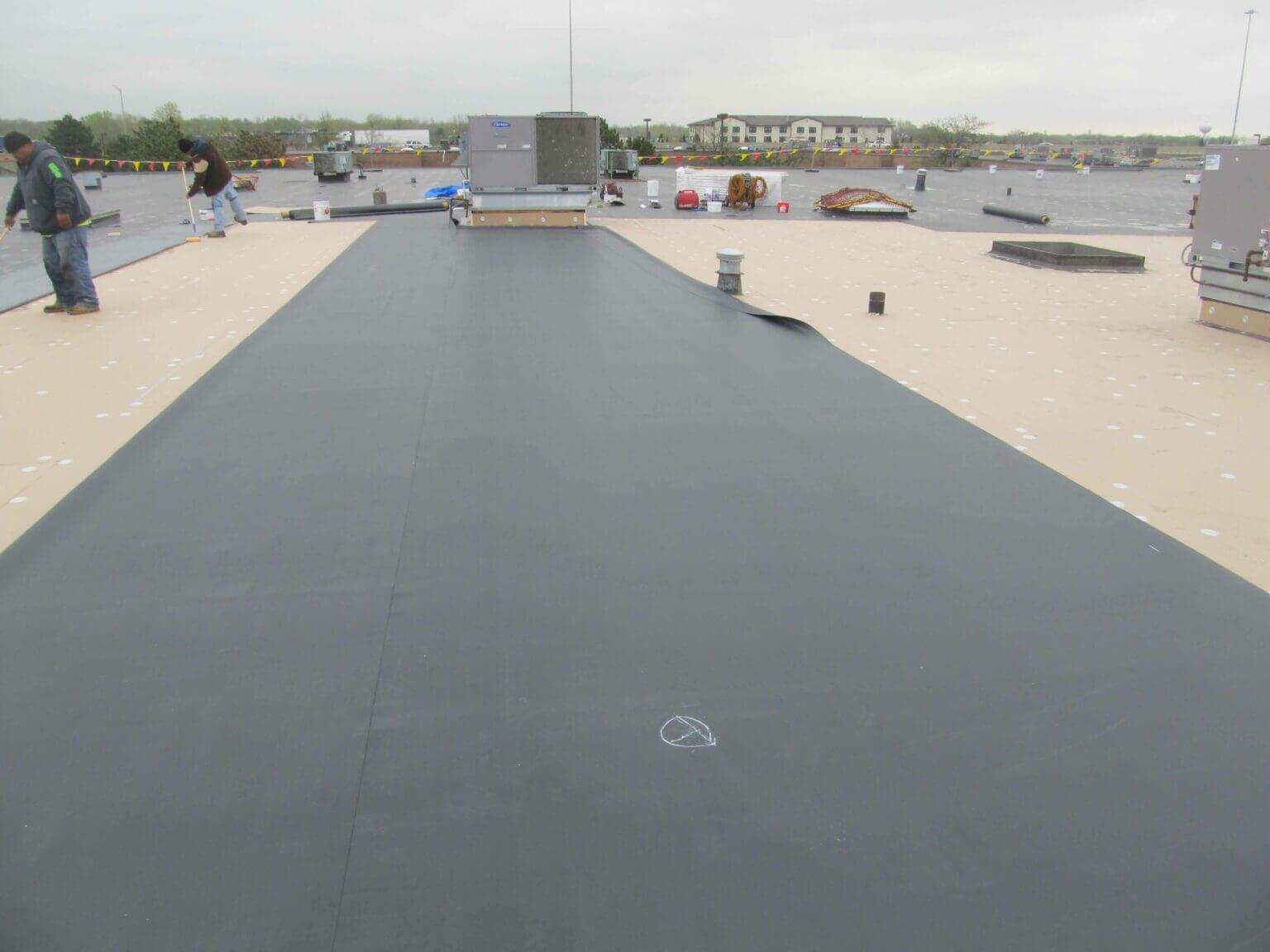
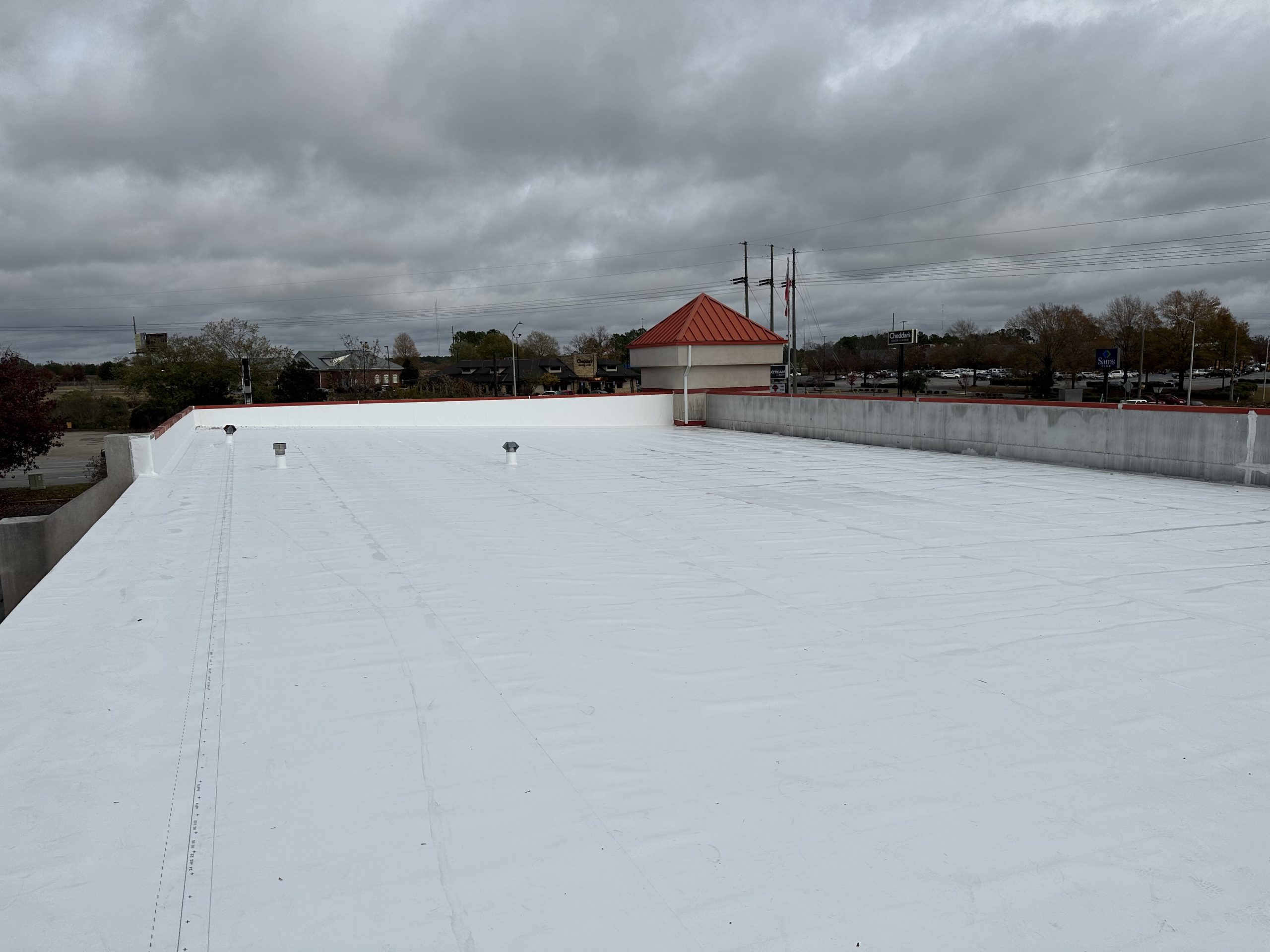
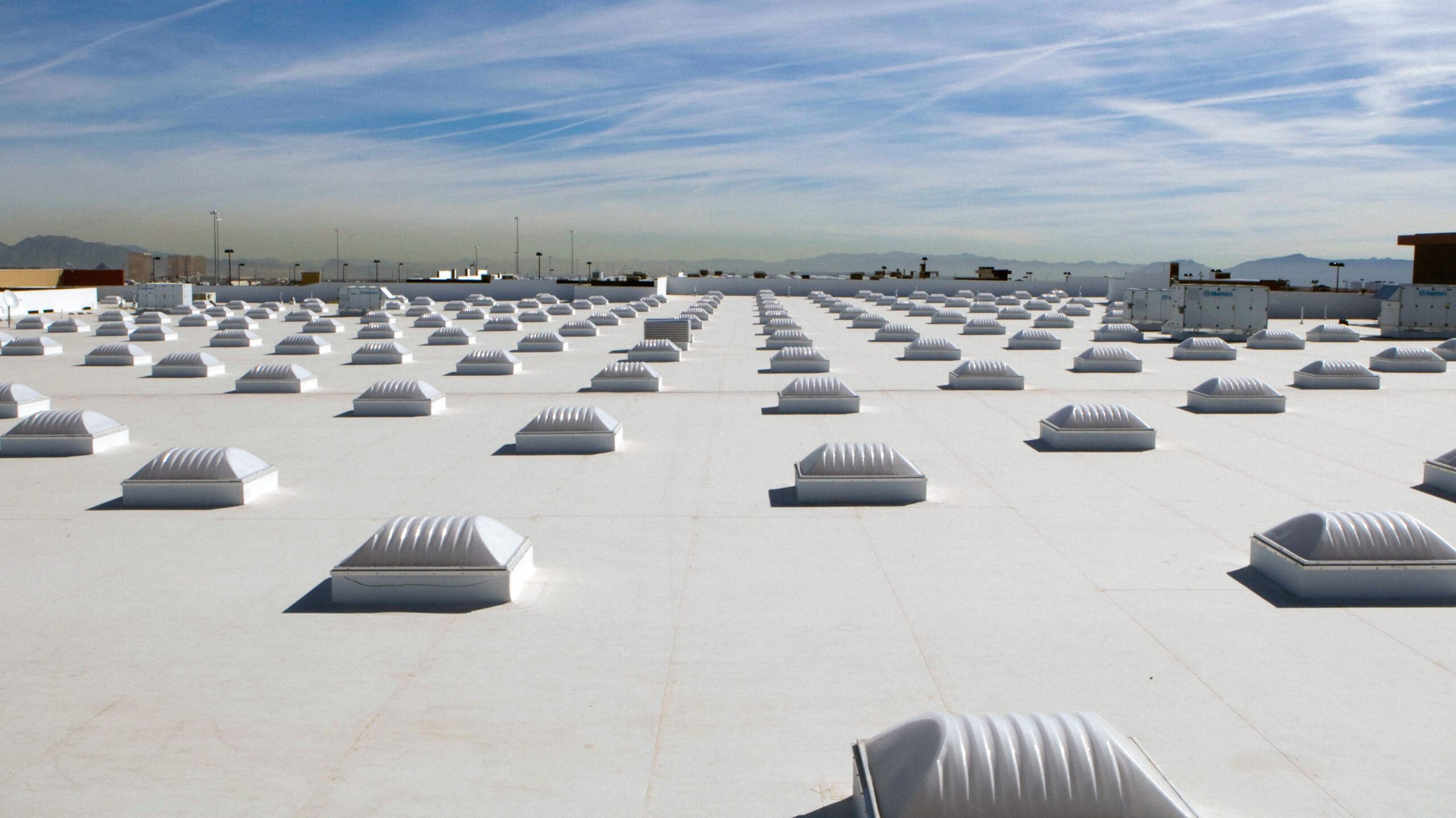
White TPO and white EPDM are the standard cool roof specifications for Denver commercial buildings. White TPO delivers initial Solar Reflectance Index above 0.80 on CRRC-listed products - well above the 0.65 Colorado minimum - and retains reflectance with annual cleaning to remove the biological growth and dust accumulation that reduces SRI over time at Denver's altitude. White EPDM in factory-laminated or white-formulation configurations achieves similar SRI values.
Xcel Energy operates commercial efficiency programs in the Denver service territory that include rebates for qualifying cool roof installations. The rebate application requires CRRC-listed product documentation with published SRI values and, in some programs, pre- and post-installation energy metering. We provide the CRRC-certified product documentation at closeout - the specific format the Xcel Energy program requires - and can assist with the energy-metering coordination for buildings pursuing the demand-response rebate track.
Cool Roof Specification for Heating-Climate Buildings
Denver's heating season - the period from November through March where outdoor temperatures regularly fall below the balance point for commercial building conditioning - creates a legitimate question about cool roof trade-offs that warmer-climate markets do not face. A white roof that reflects solar radiation in July also forgoes solar heat gain in January. For commercial buildings with high heating loads relative to cooling loads - north-facing warehouse buildings in the Adams County industrial zone, single-story buildings in higher-altitude communities west of Denver - the energy balance calculation may favor a darker membrane or a selective reflectance product.
We assess the energy balance for each project before defaulting to maximum reflectance. In most Denver commercial building types, the cooling-season savings dominate the annual energy balance and white membrane is the right specification. In the cases where heating load dominates, we model both options and document the recommendation with energy calculations the building owner can review before the specification is finalized.
Frequently asked questions
Does the Colorado 2018 IECC require a cool roof on Denver commercial buildings?
Colorado's 2018 IECC requires minimum reflectance and emittance values for new commercial construction and major reroofs on low-slope commercial buildings. Standard white TPO and EPDM membranes If you are doing a reroof that requires a building permit in Denver or the surrounding jurisdictions, we include the energy code compliance documentation in the closeout package as a standard deliverable.
Can a reflective coating make my existing dark Denver roof code-compliant?
Yes, if the substrate qualifies for coating. A white silicone or elastomeric coating over existing black EPDM or modified bitumen brings the SRI above the Colorado 2018 IECC threshold, and CRRC-listed coatings have published SRI values that satisfy the building official. The coating also needs to meet the DFT and substrate-adhesion requirements for a manufacturer-backed warranty - we assess whether your existing roof qualifies for coating as part of the cool roof consultation.
Does Denver's altitude affect cool roof performance?
Yes - in both directions. UV intensity at 5,280 feet is 25 to 30 percent higher than at sea level, which means a white reflective membrane's energy-reduction benefit is proportionally greater in Denver than in a sea-level market with the same summer temperatures. The altitude also means that the cool roof's thermal emittance function - re-radiating absorbed heat from the roof surface - is slightly less effective in Denver's thinner atmosphere than at sea level, but this effect is minor compared to the reflectance benefit.
Colorado 2018 IECC compliance or cool roof specification for a Denver building?
We assess the existing roof, recommend the right reflective system for your building's climate-zone energy balance, and produce the Colorado 2018 IECC compliance documentation and Xcel Energy rebate package at project closeout.
| Scope Format | Written roof plan and photo record |
|---|---|
| Primary Market | Denver commercial buildings |