Cold-Weather Fold-Back and Torch Protocols for Denver Modified Bitumen
Modified bitumen roofing for Denver downtown and mid-rise commercial buildings - torch-down and self-adhered systems with cold-weather fold-back protocols, recover-versus-replace analysis, and honest guidance on when single-ply conversion is the better long-term scope.
Modified bitumen covers a substantial portion of Denver's downtown 17th Street corridor, the Turtle Creek mid-rise inventory, and the older Class B office buildings across the metro. We install torch-down and self-adhered mod-bit systems with Colorado-specific cold-weather protocols - and we tell you honestly when a single-ply conversion is the better long-term scope.
Modified bitumen - factory-modified asphalt reinforced with polyester or fiberglass mat - was the dominant replacement for built-up roofing on Denver commercial construction from roughly 1985 through 2005. The downtown office buildings constructed in that period, the mid-rise suburban offices along the I-25 corridor from Englewood to Thornton, and the older Cherry Creek commercial buildings on East First and East Third avenues all carry significant mod-bit inventory.
That inventory is now at various stages of its lifecycle. A mod-bit system installed in the early 1990s with minimal maintenance is at or past end of life - the granule surface has worn, the cap sheet has oxidized, and the lap bond has deteriorated. The same system installed in 2002 with documented annual maintenance may have another ten years. We do a physical inspection and pull the install documentation if it exists before recommending any direction.
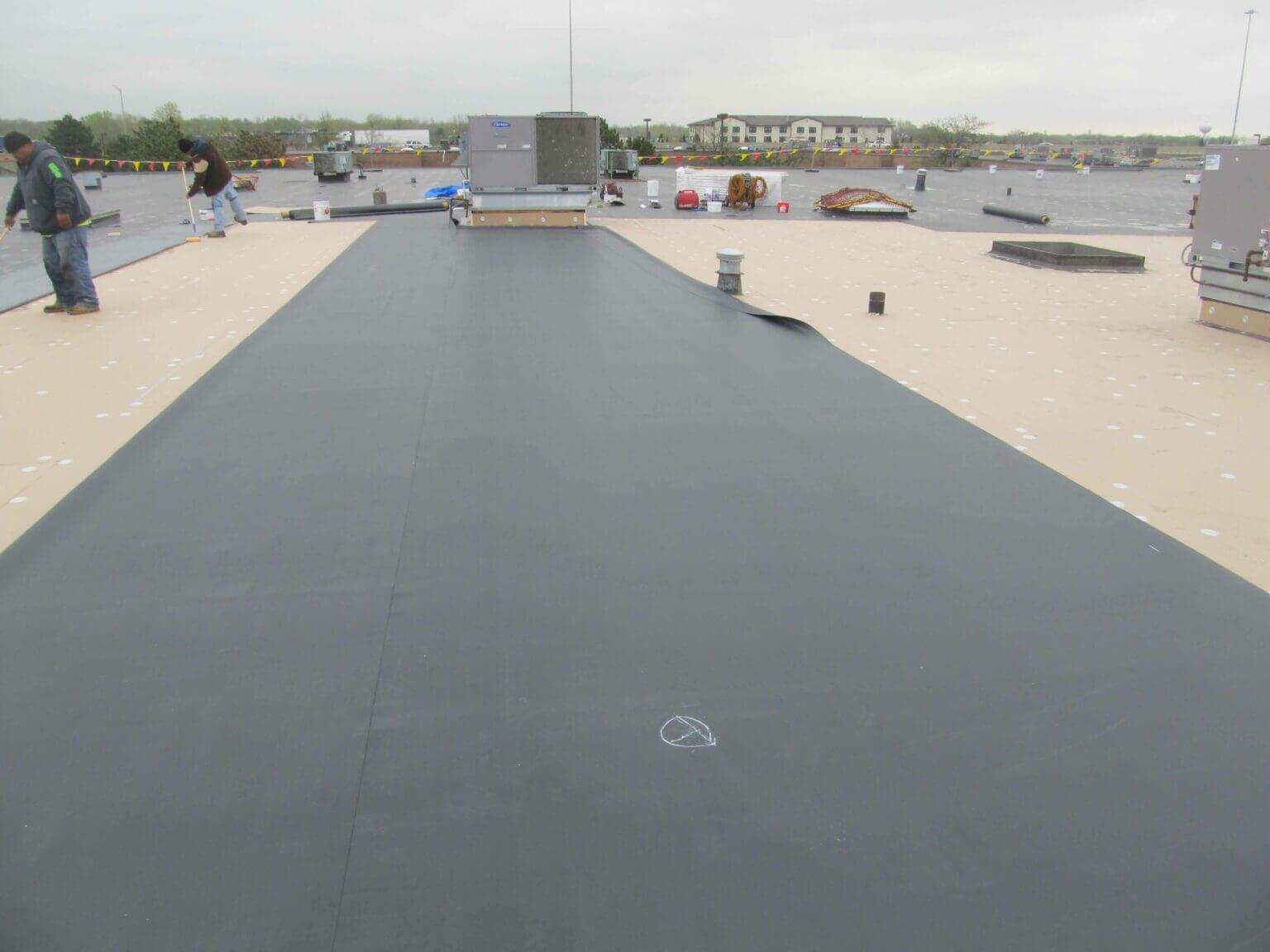
Denver's climate imposes specific requirements on modified bitumen work that differ from warmer markets. Cold-weather fold-back is a material handling protocol required on any modified bitumen project where ambient or material temperature drops below 40 degrees Fahrenheit - the rolls must be warmed and unrolled carefully to prevent cracking and lap failures in the brittle cold material. We implement fold-back protocols as a standard production requirement, not an optional add-on, from October through April on Front Range projects.
Modified bitumen membrane becomes brittle at low temperatures. A roll of SBS-modified cap sheet stored at 25 degrees Fahrenheit will crack along the fold if forced open without warming - that crack propagates into the finished installation as a seam failure that is often not visible until the first rain event. Denver's construction season spans most of the year, but October through April brings ambient and material temperatures that require cold-weather fold-back protocol on every modified bitumen project.
Fold-back protocol means: rolls stored in a heated location and moved to the roof in batches small enough to be installed before temperature re-equilibration, roll ends folded back gently at 45 degrees rather than forced open cold, and torch-applied heat used carefully to limber the material before unrolling on temperatures below 40 degrees. Our crews implement this protocol as a standing procedure during cold months. Self-adhered modified bitumen - which uses pressure-sensitive adhesive rather than torch - has its own cold-temperature constraints: adhesive bonding below 40 degrees Fahrenheit is unreliable, and below 25 degrees the system should not be installed at all. We match the application method to the ambient conditions, not to the schedule.
Torch-Down vs Self-Adhered for Denver Buildings
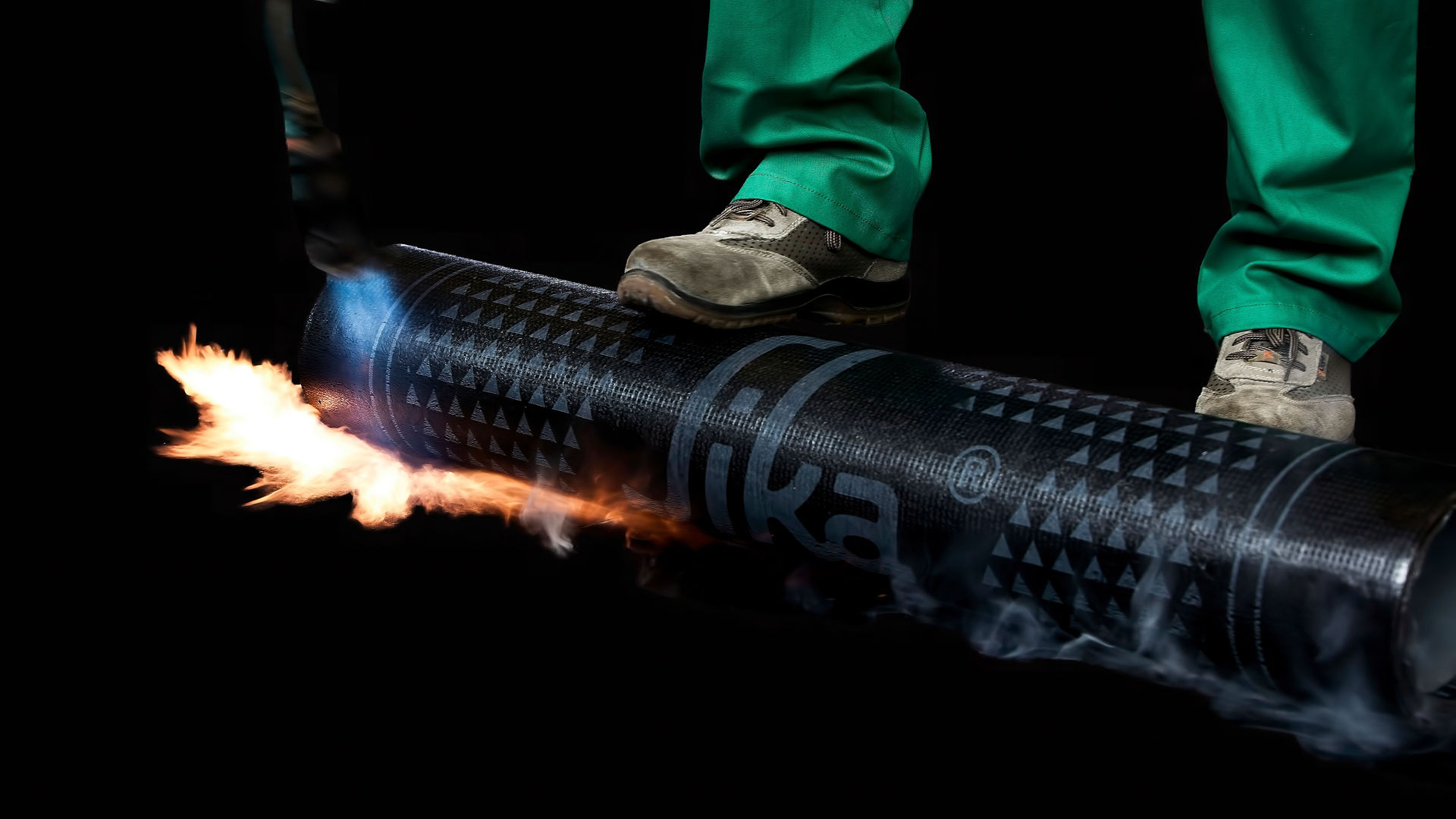
Torch-applied modified bitumen has been the dominant mod-bit application method in Denver commercial work for three decades. The propane torch activates the bitumen, bonding it to the base sheet or substrate and creating a fully adhered installation that holds through Denver's freeze-thaw cycling. The limitation is open-flame risk - the City and County of Denver requires fire watch protocol during torch work, and occupied medical or laboratory buildings may restrict open-flame application near occupied floors. We file the required permits and maintain fire watch on all torch projects as a standard scope item.
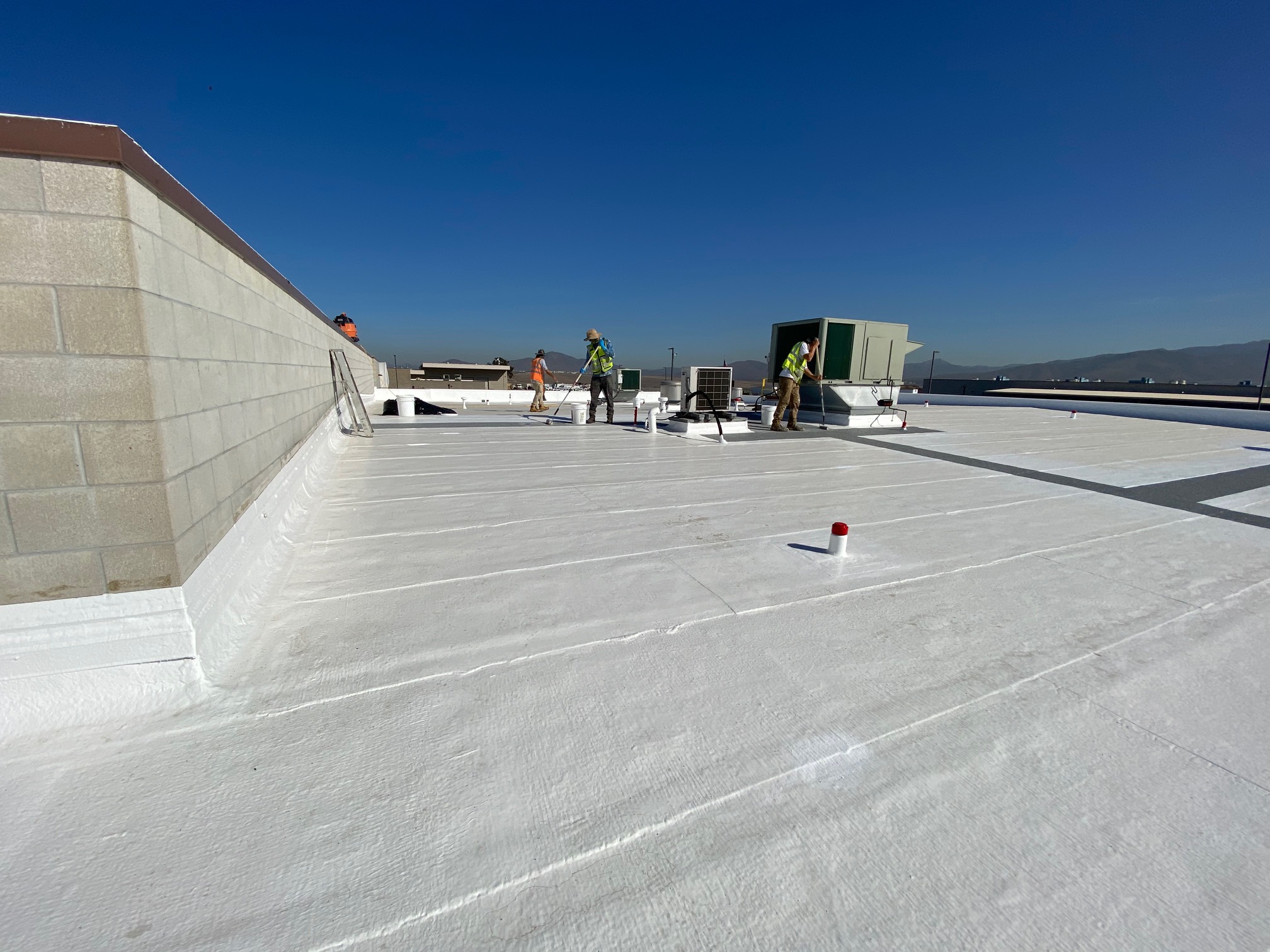
Self-adhered modified bitumen is the specification for buildings where open flame is restricted - occupied hospital wings, fully occupied multi-tenant commercial buildings, buildings with contents that prohibit hot-work permits. The adhesive requires careful surface preparation and the temperature discipline described above. We use self-adhered systems on Anschutz Medical Campus-adjacent work and on downtown Denver buildings where the fire marshal's requirements make torch work impractical.
Recover vs Single-Ply Conversion on Denver Mid-Rise Buildings
The decision we are asked most often on Denver modified bitumen roofs is whether to recover with new mod-bit cap sheet or convert to TPO or EPDM. That is a cost-benefit question that depends on the building's capital horizon, the existing insulation's moisture content on core pulls, the parapet and flashing geometry, and whether the owner needs current energy code R-value compliance in this reroof cycle.
Recover makes sense when: existing insulation is dry on core pulls, the deck is structurally sound, the parapet geometry does not require a full re-detail, and the owner has a 10 to 15 year capital horizon before the next reroof cycle. Single-ply conversion is the better scope when: wet insulation requires partial or full replacement anyway, energy code compliance requires a new insulation stack, the owner wants a 20-year NDL manufacturer warranty, or the building is headed to refinancing or sale within five years and needs current-system documentation. We provide written costs for both paths - the decision belongs to the owner with full information on the table.
Frequently asked questions
My 1995 Denver office building has original torch-down modified bitumen. What are my options?
A 1995 torch-down system is approximately 30 years old - at or near end of serviceable life depending on maintenance history. We pull moisture cores at representative locations, inspect the parapet and penetration flashings, and assess the overall system condition. If the insulation is dry and the deck is sound, recover with new mod-bit cap sheet or a thin-set single-ply is often a viable 10 to 12 year extension. If we find wet insulation or significant flashing failure, replacement to current spec is the honest scope.
Are there open-flame restrictions for torch-down work in Denver?
Yes. The City and County of Denver requires a designated fire watch during all open-flame roofing work and for 30 minutes after the torch is shut down. Most commercial buildings also require a hot-work permit from the building's fire marshal. We file the required permits and maintain fire watch on all torch projects as a standard scope item. Buildings in sensitive occupancies - healthcare, laboratory, occupied multi-tenant - are assessed for self-adhered alternatives before we default to torch application.
Can modified bitumen qualify for impact resistance ratings in Colorado?
Yes - modified bitumen over HD gypsum cover board can qualify for UL 2218 Class 4 impact resistance. The cover board specification for mod-bit typically uses HD gypsum rather than HD polyiso because gypsum provides both the impact resistance and the fire resistance that many Denver commercial building occupancies require. We specify the cover board by type and manufacturer on every Denver mod-bit project and provide the impact-resistance documentation at closeout.
Modified bitumen roof on a Denver building?
We inspect the system, core-pull the insulation, apply cold-weather assessment protocols when applicable, and give you a written recover-versus-replace recommendation with costs for both paths - so the decision is grounded in data.
| Scope Format | Written roof plan and photo record |
|---|---|
| Primary Market | Denver commercial buildings |