Where We Run Denver Routes
Commercial roof inspections, replacements, and emergency response across Denver - LoDo, Downtown, Cherry Creek, Capitol Hill, the Golden Triangle, Five Points, and the 17th Street office corridor.
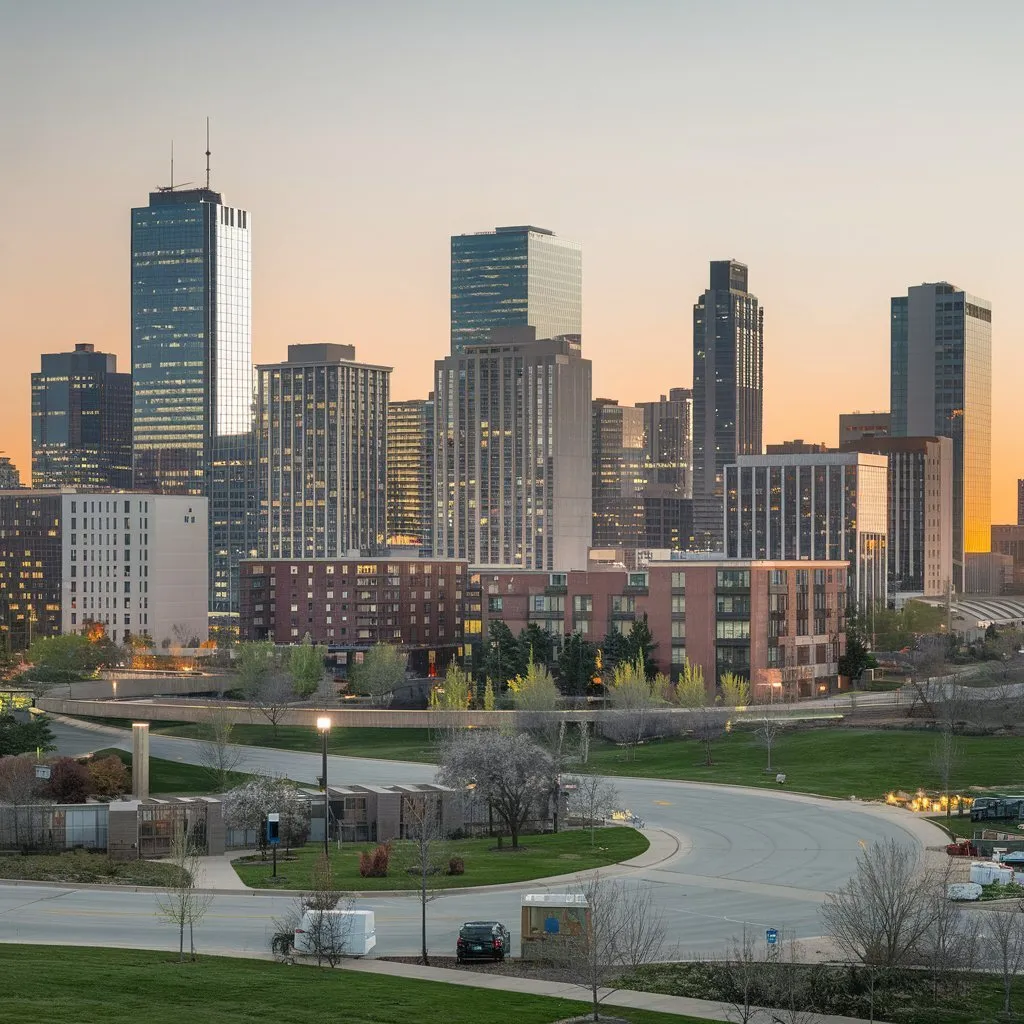
Denver's commercial roof inventory was built in distinct waves that define which buildings are in which phase of their lifecycle today. The 1970s and 1980s energy-sector office boom along 17th Street - the Republic Plaza tower, the Wells Fargo Center, and the cluster of Class B office buildings between Lincoln and Broadway - produced a generation of commercial roofs now running second- and third-generation single-ply systems and approaching another replacement cycle. The 1990s and 2000s LoDo redevelopment converted the Union Station rail yards into the mixed-use district that now anchors Denver's downtown core - buildings with complex rooftop equipment, irregular footprints, and active hospitality operations that drive strict replacement sequencing requirements. The 2010s wave of Cherry Creek, RiNo, and Sloan's Lake commercial development produced a generation now in their first major maintenance cycles. The ongoing and Martin Luther King Boulevard is the most recent generation.
We service all of these generations across Denver County. Our project managers know which 17th Street office towers are running original 1990s modified bitumen that needs immediate moisture assessment and which RiNo mixed-use buildings are still on active warranty maintenance programs. That continuity matters when a May hailstorm moves three buildings to the front of the capital queue simultaneously.
Downtown / LoDo / Union Station: The historic rail-yard redevelopment corridor rooted in Denver Union Station. Mixed-use buildings with ground-floor retail, hotel operations, and rooftop-terrace programming that requires replacement sequencing around occupancy calendars. Most roof work in this district is replacement or recover on 2000s-era built-up and single-ply systems. Crane access requires coordination with Denver Public Works and the Union Station neighborhood management, and Lower Downtown Historic District buildings require permit review by the Denver Landmark Preservation Commission.
17th Street / Golden Triangle: Denver's primary Class A and B office corridor, running from the Civic Center through the Golden Triangle creative district to the Cherry Creek bikeway. Buildings constructed 1970s through 2000s on original and first-replacement single-ply or modified bitumen. High concentration of government tenants and law firms with strict operating-hours requirements for any disruptive roofing work.
Cherry Creek: The Cherry Creek North shopping district and the Cherry Creek medical office corridor along East First and East Third avenues. Retail buildings require weekend and evening scheduling around tenant operating hours. Medical-office buildings on shorter replacement cycles with infection-control requirements for hot-work operations.
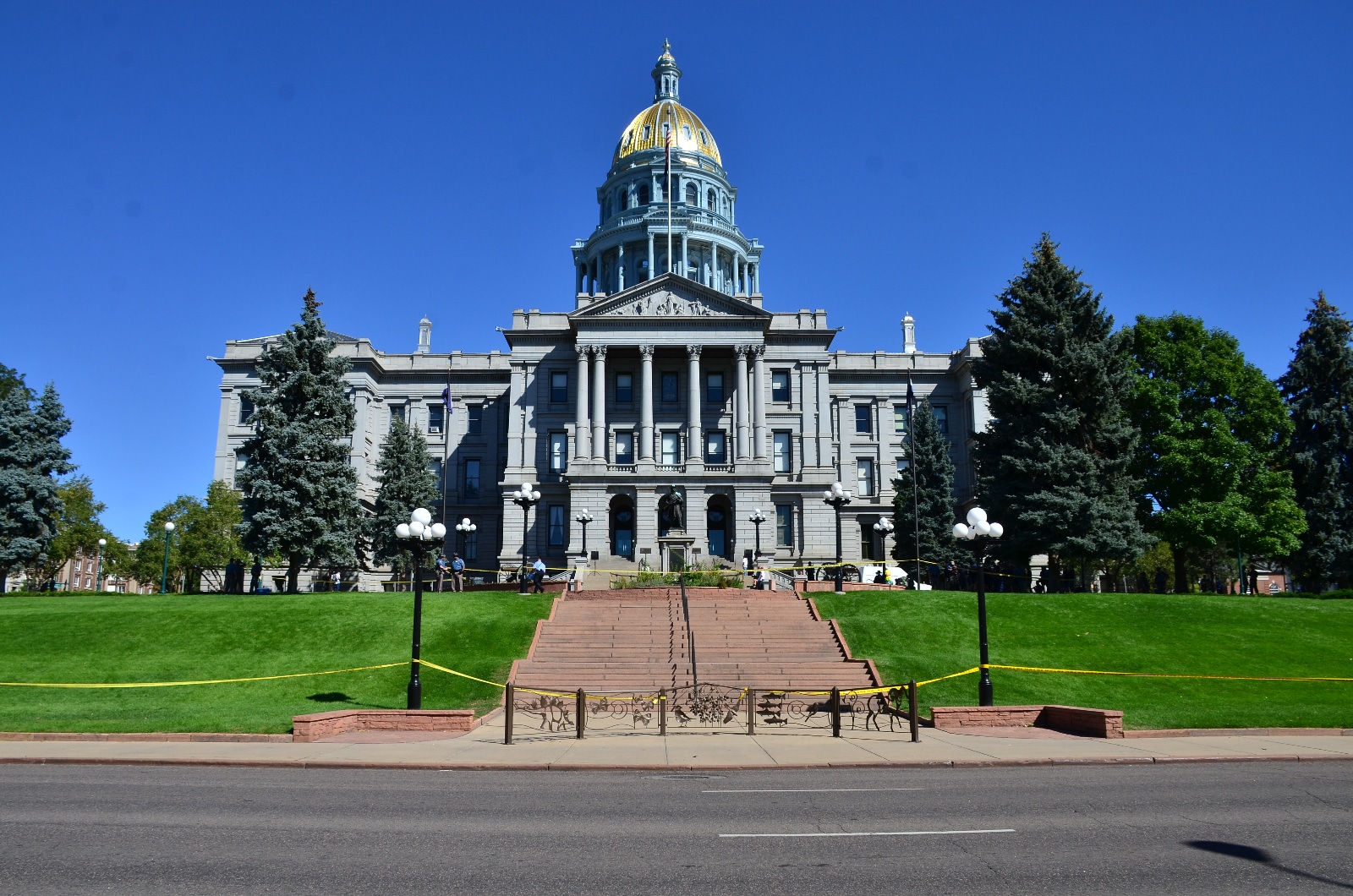
Capitol Hill / Congress Park: Denver's dense urban multifamily and mixed-use neighborhood east of the civic center. Older commercial buildings - 1920s through 1960s construction - with original or early-replacement built-up roofing. Some of the oldest commercial roofs in our service area are in this corridor. Also includes the Denver Health medical campus at West 8th Avenue, a major healthcare roofing account with the same infection-control and off-hours scheduling requirements as other medical campuses.
Five Points / RiNo: The River North Arts District along Brighton Boulevard and the Five Points corridor along Welton Street. Fast-growing mix of converted industrial buildings and new construction. Converted industrial buildings often have original metal-deck conditions requiring assessment before any new system goes down. New construction is in first warranty cycles.
Stapleton / Central Park: The redeveloped former Denver Stapleton Airport site northeast of downtown. Large-format retail, medical office, and mixed-use commercial buildings constructed primarily 2000 through 2018. Most buildings are approaching first major maintenance milestones.
Denver Climate and Building Conditions
At 5,280 feet, Denver's roofing environment differs from every other major US commercial market in ways that affect specification in every project. UV radiation at altitude is 25 to 30 percent more intense than at sea level - membrane aging rates reflect this, and white or light-gray reflective membranes are the standard specification for both energy performance and UV longevity. Dark EPDM is used selectively on industrial buildings where winter heat absorption offsets the summer performance penalty.
Freeze-thaw cycling is the dominant maintenance driver in Denver's climate. The metro averages 90 to 110 freeze-thaw events per year. In contrast to markets with sustained deep winters - Minneapolis, Chicago - Denver's cycling is rapid and repeated through fall and spring, with temperatures crossing the 32°F threshold multiple times per week during transition months. This cycling drives flashing failures at parapet walls, drain misalignment from substrate movement, and seam stress at building expansion joints faster than in markets with fewer but more extreme cold events. Our flashing details account for this - flexible perimeter flashings, expansion-joint covers specified for the building's actual thermal movement range, and documented drain elevation monitoring on buildings we maintain across multiple inspection cycles.
Denver's hail season runs May through August and is the primary driver of reactive replacement demand in the market. The 2023 and 2024 seasons each produced documented 2-inch-plus stones across multiple Denver County zip codes. We maintain a storm-response team that activates after NOAA-verified severe hail events and runs rapid condition assessments on maintained roofs within 72 hours.
Frequently asked questions
Do you do emergency roof leak response in Denver?
Yes. Downtown, LoDo, Cherry Creek, and Capitol Hill calls get crews on-site within four business hours. Inner suburbs - Lakewood, Englewood, Wheat Ridge, Arvada - are same-day. Outer suburbs - Thornton, Westminster, Centennial, Highlands Ranch - are next-day at the latest. After-hours and weekend emergency response is available for buildings on our maintenance contracts. We activate a storm-response protocol after documented severe weather events across the Denver metro.
What is your office address and contact information?
, , . Phone (720) 949-6553. Email [email protected].
Are you licensed to work in Denver?
Colorado does not require a state-level commercial roofing contractor license. The City and County of Denver requires building permits for all commercial roof replacements and for repair work above the permit threshold, which we pull on every qualifying project. We carry general liability, workers' compensation, and umbrella coverage at limits that support every commercial building we work on. Certificates of insurance are provided on request.
How do you handle post-hail assessments for Denver buildings?
After a documented NOAA-verified hail event, we run rapid condition assessments for commercial buildings in our service area - photo log keyed to a roof zone diagram, written scope distinguishing event-related from pre-existing damage, temporary dry-in if the building is actively taking water. We prioritize buildings on our maintenance contracts but take new-building calls after major events. We do not act as public adjusters - we provide technical documentation that lets the claim move forward on accurate facts.
Need a Denver commercial roof inspection?
Our project managers will walk the roof, document the condition, and produce a written report - for capital planning, warranty support, post-hail insurance documentation, or competitive bid preparation.
| Scope Format | Written roof plan and photo record |
|---|---|
| Primary Market | Denver commercial buildings |