Welton Street Legacy Commercial Buildings
Commercial roofing for Five Points' historic Welton Street corridor, the redeveloping MLK Boulevard commercial blocks, and the neighborhood's mix of 1920s-1960s legacy buildings and new infill development.
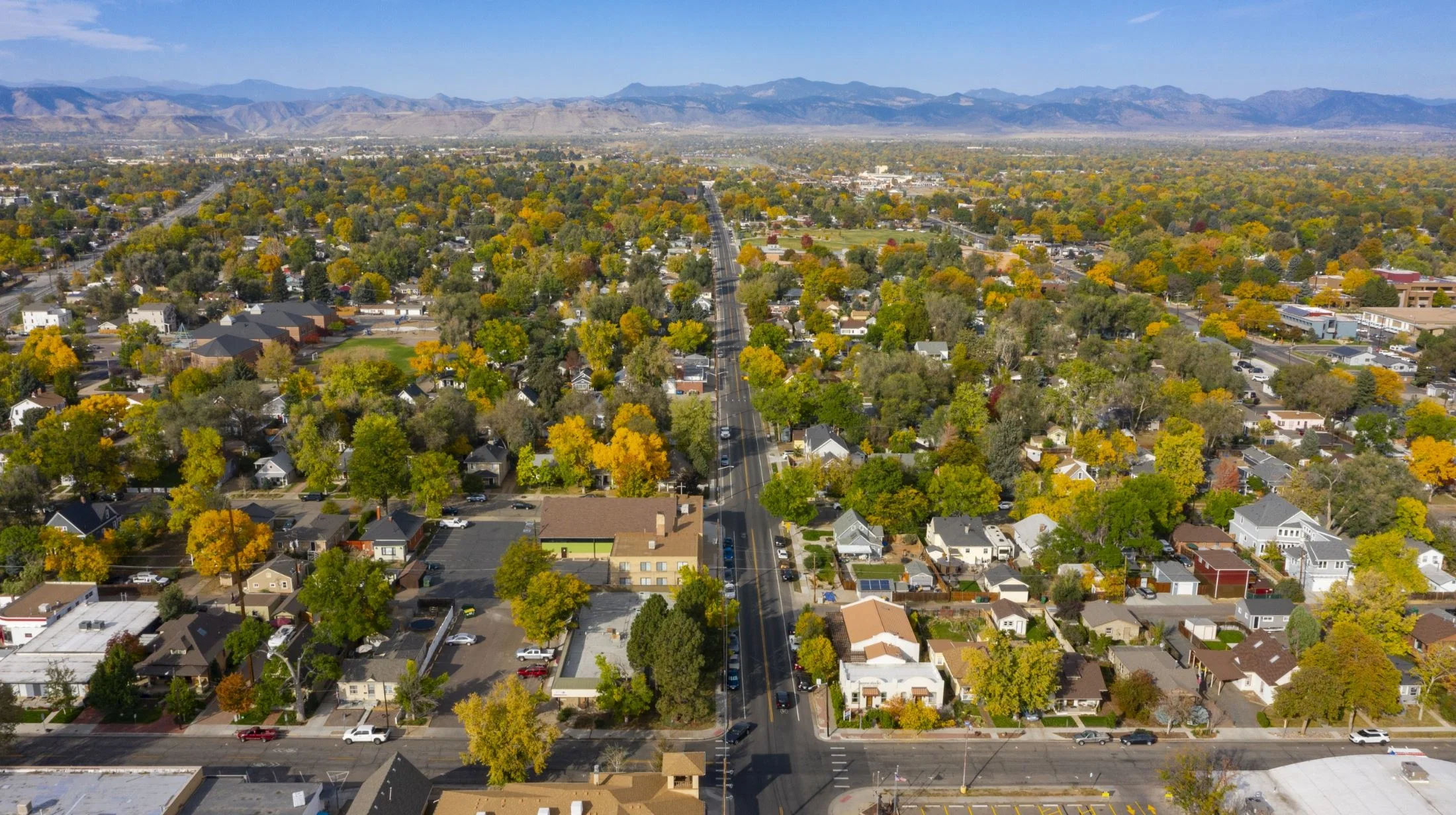
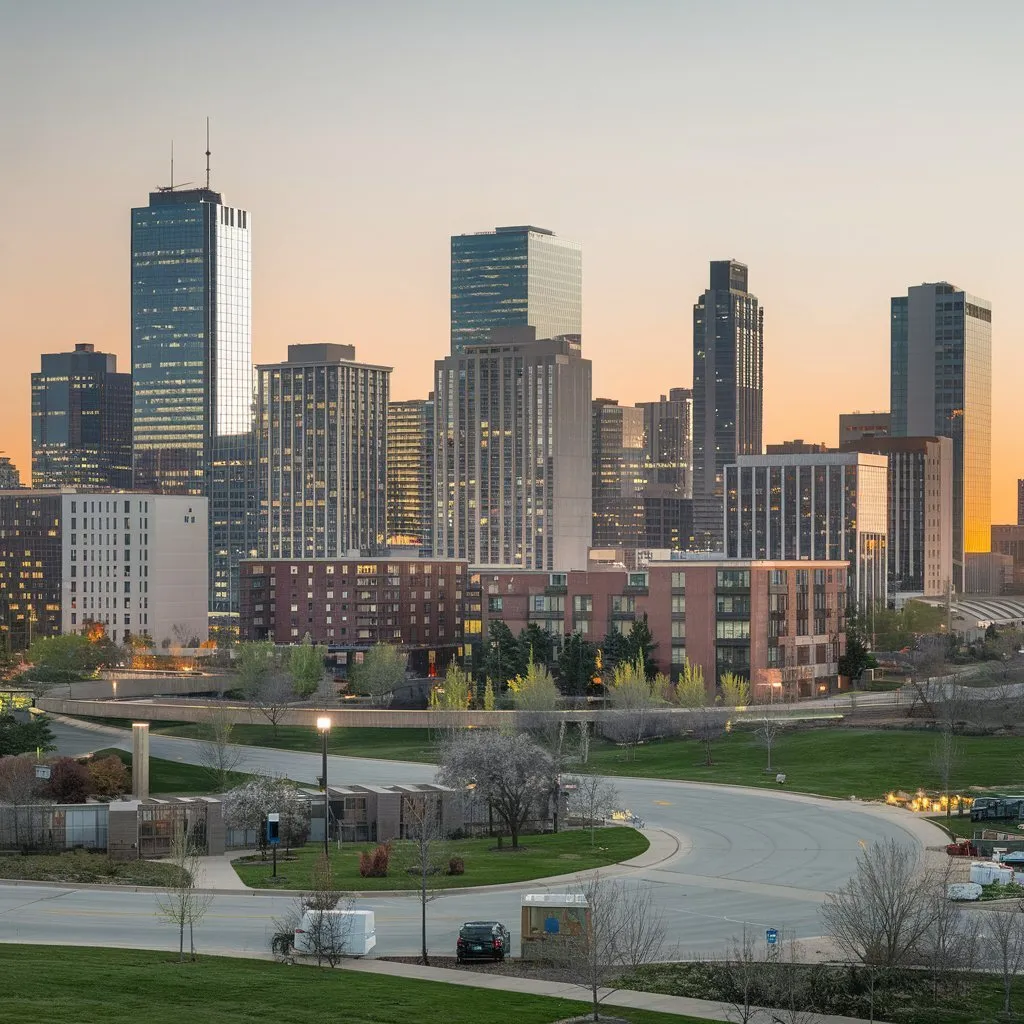
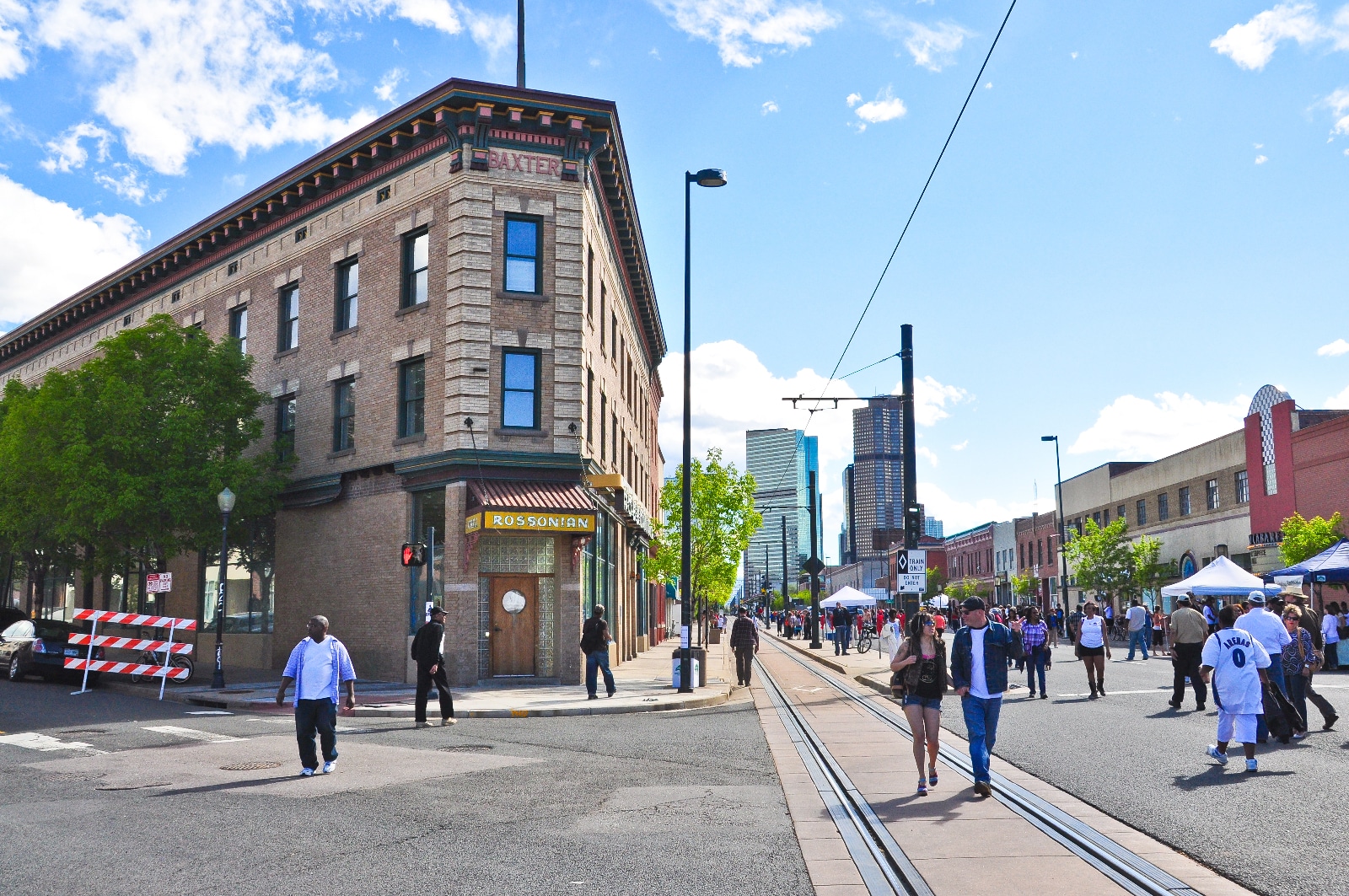
Five Points - Denver's historic jazz district along Welton Street - is in active commercial redevelopment, with legacy 1920s through 1960s commercial buildings on Welton and Martin Luther King Jr. Boulevard sitting alongside new mixed-use infill and the 2010s renovation activity driven by the light rail expansion along the 38th and Blake corridor.
Five Points has one of the oldest commercial roof inventories in Denver. Welton Street between 20th and 30th - the historic core of Denver's jazz and entertainment district - is lined with 1920s through 1950s commercial buildings that have been through multiple ownership cycles, multiple tenant generations, and in many cases deferred maintenance periods that have left the roofs well past their design life. These are not buildings with sophisticated capital planning histories. The roofs we see on Welton Street most often are original BUR under one or two subsequent repair campaigns, with parapet walls that have been patched but not waterproofed properly, and interior drains that have not been cleaned or rebuilt since the 1980s.
The neighborhood's redevelopment has accelerated since the light rail lines opened the 38th and Blake and 29th and Welton stations. Infill mixed-use development along Welton and along Martin Luther King Jr. Boulevard has introduced a generation of 2010s and early 2020s commercial buildings that are entirely different in condition from the legacy inventory - contemporary systems, active warranty maintenance, and first-maintenance milestones coming up. We service both generations in Five Points and approach each with a different lens: the legacy buildings need honest condition assessment and capital planning documentation, while the newer buildings need warranty maintenance rigor.
The Five Points neighborhood is also home to several community anchor institutions - churches, community centers, and legacy retail buildings that have served the neighborhood for decades - where the building owner may be a nonprofit or community organization with limited capital access. We scope these buildings the same way we scope any commercial project, providing written condition documentation and a prioritized repair schedule that lets the owner plan capital deployment over a realistic timeline rather than face an emergency replacement with no lead time.
The commercial buildings on Welton Street between 20th and 28th Avenues are predominantly 1920s and 1930s mixed-use construction - ground-floor retail with upper-floor multifamily or commercial use, masonry bearing walls, and wood or lightweight concrete decks on the flat roof sections. This building type presents three roofing conditions we encounter regularly: original BUR that has been coated and patched repeatedly but never replaced, parapet walls where the coping and cap flashing have been through multiple generations of repair without addressing the underlying wall flashing, and interior drain configurations that were designed for single-tenant occupancies and do not function correctly under current multi-tenant layouts.
Replacement on Welton Street legacy buildings typically involves deck assessment before new material goes down - many of the 1930s buildings have wood decks that show moisture infiltration damage in the areas directly above stained ceiling tiles inside. We do not close out a replacement scope on a wood-deck Welton Street building without a deck condition evaluation, and on buildings where the deck needs spot or full replacement, we bring a structural engineer into the scope to confirm load ratings before specifying the new system.
MLK Boulevard and Light-Rail Corridor Infill
Martin Luther King Jr. Boulevard from Downing to York has seen significant infill commercial development in the 2010s, driven partly by the neighborhood's proximity to light rail and partly by the City of Denver's Urban Land Conservancy-supported redevelopment initiatives in Five Points. These newer buildings - typically three- to five-story mixed-use with ground-floor commercial and upper-floor multifamily or office - carry contemporary roofing systems on metal deck and are at or approaching first-maintenance milestones.
The 38th and Blake transit station at the north end of Five Points has generated its own cluster of transit-oriented development buildings along Brighton Boulevard and Blake Street - buildings that overlap the RiNo and Five Points geographic zones. Many of these buildings carry green-roof or rooftop-programming components as part of the design, and the TOD zoning at the station area has attracted developers who specify premium roofing systems with manufacturer warranty programs. We service several of these buildings on active warranty maintenance contracts.
Frequently asked questions
Do you work with nonprofit and community-organization building owners in Five Points?
Yes. We scope community-organization buildings the same way we scope any commercial project and produce the same written condition documentation. For organizations with limited capital access, we can prioritize the scope by urgency - identifying which repairs prevent active water intrusion versus which deferred-maintenance items can be phased over multiple budget cycles. We do not require a replacement commitment to produce a condition report.
What is the typical condition of 1920s-1940s commercial buildings on Welton Street?
Most Welton Street buildings in this vintage have been through multiple roofing generations without full tear-off - patch-over-patch conditions where the existing system has accumulated insulation and membrane layers that add dead load and make moisture assessment difficult. We pull cores on every Welton Street assessment and use penetrating moisture meters on wood-deck buildings. The scope recommendation depends on what we find - some buildings are candidates for recover with targeted wet-area tear-out; others are full replacement.
How do light-rail transit station proximity and TOD zoning affect roofing specifications?
TOD-zoned buildings in Five Points often carry design requirements - green-roof percentages, rooftop-programming requirements, or stormwater management requirements tied to Denver's stormwater quality regulations - that affect membrane specification. We identify these design requirements during pre-construction and confirm that the proposed system meets any stormwater or green-infrastructure requirements attached to the building's certificate of occupancy or development agreement.
What permits apply to Five Points commercial roofing projects?
All Five Points commercial buildings are within the City and County of Denver permit jurisdiction. Replacement work requires a Denver building permit. Buildings in the Five Points Historic District - primarily the Welton Street core blocks - may require Landmark Certificate of Appropriateness review for visible exterior elements before permit application.
Get a Five Points commercial roof assessment.
Our project managers will walk your roof, document the condition of legacy or newer building systems, and produce a written capital planning report - whether you need an immediate replacement scope or a phased maintenance plan.
| Scope Format | Written roof plan and photo record |
|---|---|
| Primary Market | Denver commercial buildings |