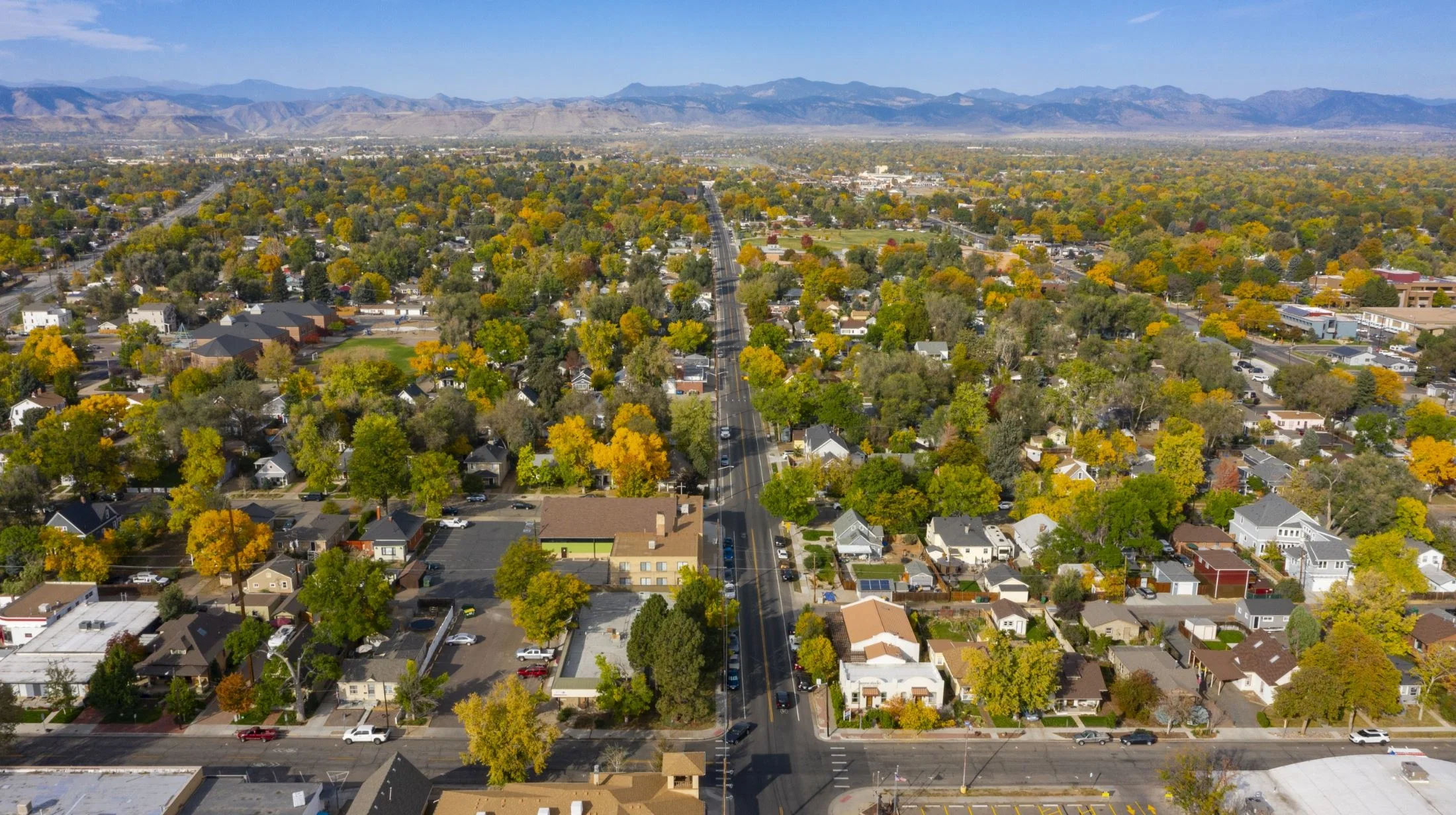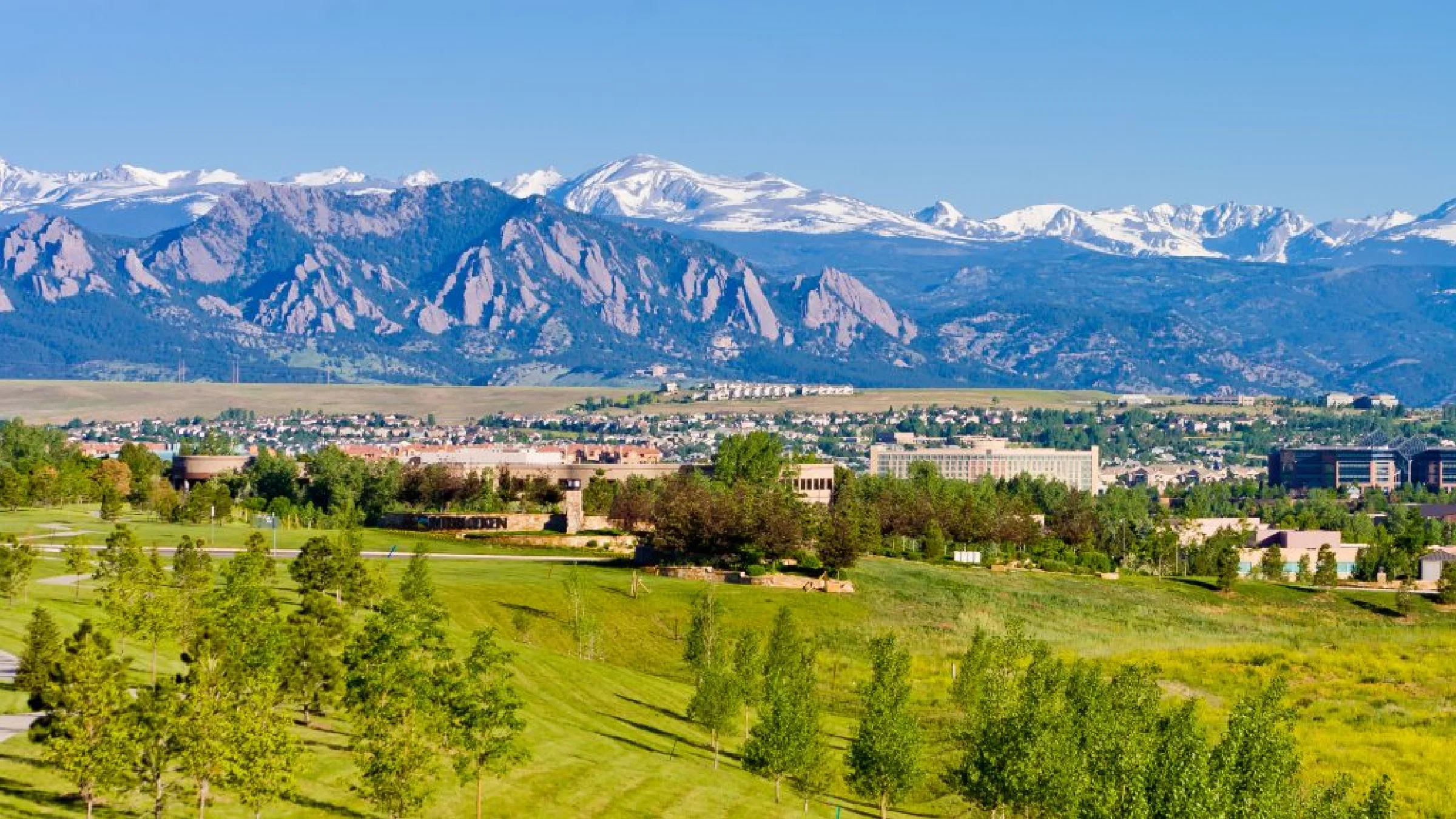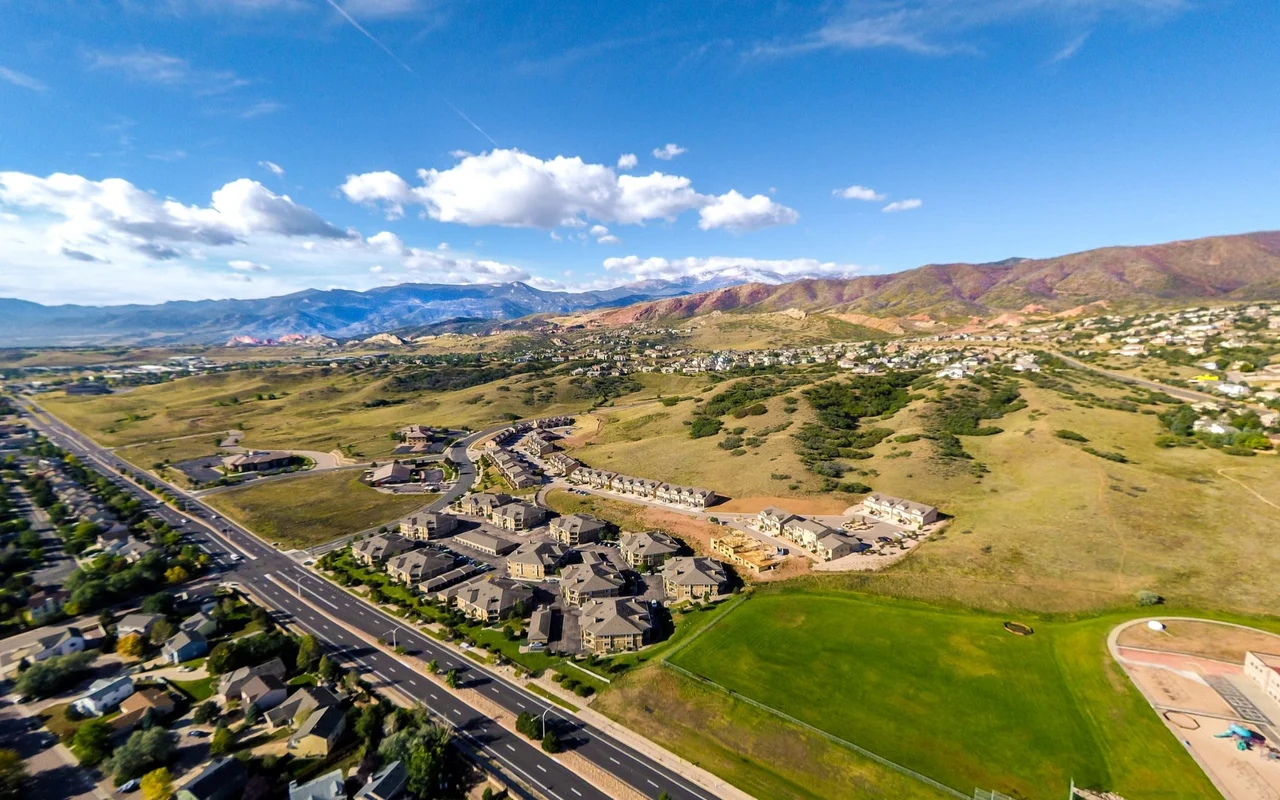
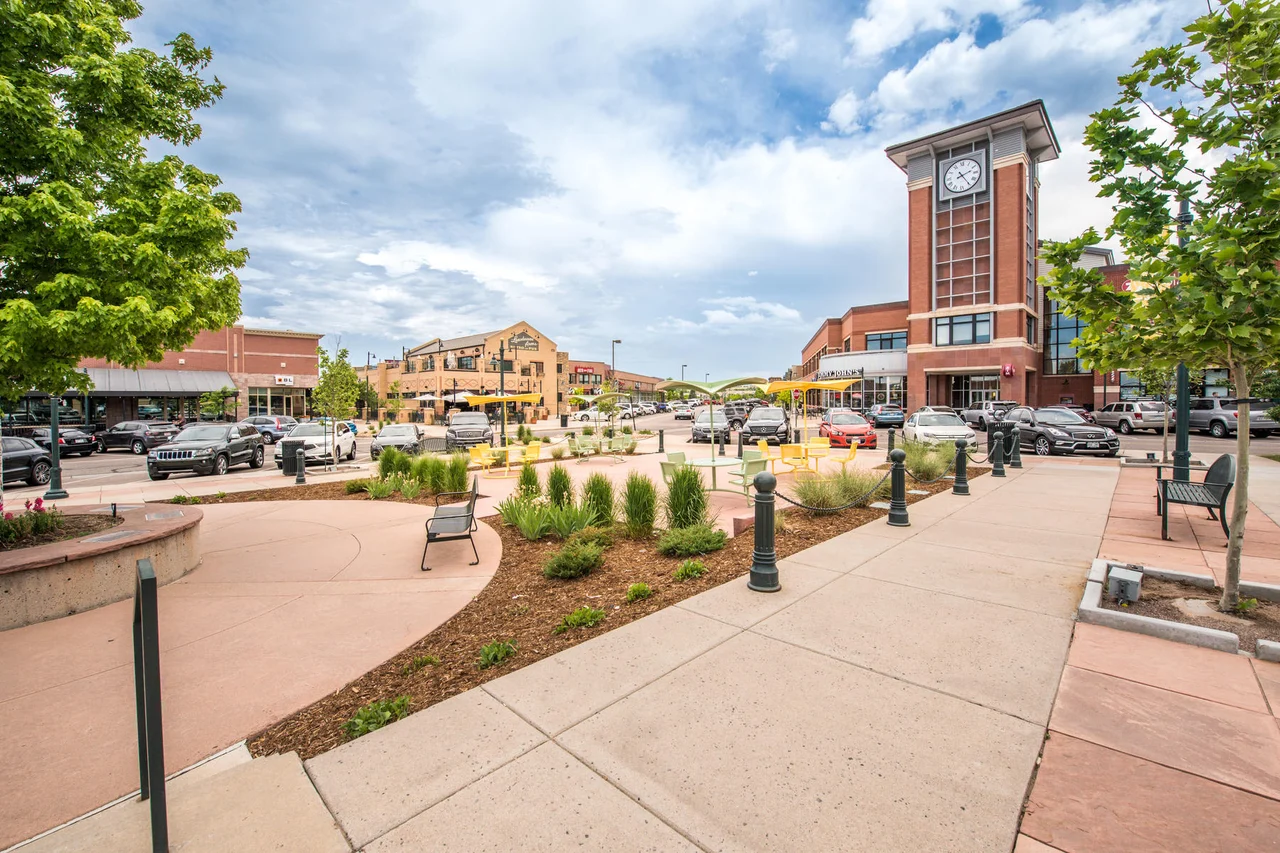
Highlands Ranch Commercial Zones and Building Vintages
Commercial roof inspections, replacements, and maintenance for Highlands Ranch commercial buildings - Highlands Ranch Marketplace, the C-470 commercial corridor, and the Douglas County commercial inventory serving Colorado's largest planned community.
Highlands Ranch is one of the largest master-planned communities in the United States - its commercial inventory is tailored to serving a population of over 100,000 residents concentrated in Douglas County's northern tier. The Highlands Ranch Marketplace and the C-470 commercial corridor anchor a retail, medical, and professional services buildout that dates primarily from the late 1990s through the 2010s.
Highlands Ranch's commercial roof inventory is almost entirely driven by the community's multifamily growth trajectory. The development started in earnest in the early 1990s, and each successive multifamily phase triggered a wave of neighborhood-scale commercial development - grocery-anchored retail centers, medical and dental offices, fitness and recreation facilities, and professional services buildings that followed the rooftops outward from the core. The Highlands Ranch Marketplace is the community's dominant commercial node, with a grocery anchor, retail surrounding, and restaurant pad sites that date from different development phases spanning 1998 through 2015.
That phased buildout means Highlands Ranch's commercial inventory covers a wider age range than it might appear from the outside. The original 1997 to 2002 commercial construction at the Marketplace core is now approaching or past 25 years - the first generation of modified bitumen systems in those buildings has either been replaced once or is overdue for replacement. The corridors is in first maintenance or approaching 15-year warranty midpoints. The most recent commercial construction along the Lucent Boulevard corridor is still in early warranty cycles.
Douglas County's hail exposure is well-documented. The county ranks in the top five Colorado counties for insured hail losses in most recent years. Highlands Ranch's open terrain position south of C-470 provides minimal topographic shelter from storms approaching from the southwest, and the community's large multifamily and commercial footprint presents a substantial target area. Impact-resistant roofing specification is a default in every scope we write for Highlands Ranch commercial buildings.
Highlands Ranch Marketplace (Highlands Ranch Parkway / Broadway): The community's original commercial anchor, with grocery, retail, restaurant, and service commercial dating from 1997 through 2015. Older sections of the Marketplace are carrying modified bitumen systems approaching end of life. Restaurant pad sites have rooftop exhaust penetration complexity that requires detailed penetration survey at every inspection. The Marketplace's location at the community's historic geographic center means it is accessible from all multifamily quadrants, which drives high foot traffic and strong retail occupancy - meaning replacement sequencing must account for tenant operating hours.
Santa Fe Drive and US 85 commercial corridor (Douglas County side): The commercial strip along Santa Fe Drive from C-470 south toward Sedalia includes auto-related commercial, self-storage facilities, contractor yards, and industrial flex space that has a different roofing profile than the Marketplace retail. Metal buildings and simple flat-roof commercial from the 1980s and 1990s are common in this corridor - some are on original systems.
University Boulevard and Lucent Boulevard office and medical (east Highlands Ranch): The professional and medical office buildings along University Boulevard and the Lucent Corridor represent Highlands Ranch's most recent commercial construction wave - 2005 through 2018. Medical offices here carry the same infection-control and hot-work coordination requirements as healthcare facilities elsewhere. Many buildings are in first maintenance cycles with manufacturer warranty documentation requirements.
C-470 commercial fringe (Highlands Ranch Parkway to Lincoln Avenue): Large-format retail and pad sites along the C-. Big-box anchors from the 2000s - some approaching replacement territory. Open-terrain wind exposure along the C-470 corridor requires attention to fastener density in mechanically attached membrane specifications.
Douglas County Hail Exposure and Snow Load Conditions
Douglas County's position in the southern portion of the Front Range hail belt gives Highlands Ranch one of the higher documented hail-loss rates in the metro area. The county's rapid multifamily and commercial development since the 1990s has increased the insured value density in the hail path, and insurers have responded with tighter underwriting requirements for impact-resistant systems. Most Colorado commercial property insurers now require FM 4470 Class 1 or UL 2218 Class 4 impact resistance on commercial buildings in Douglas County as a condition of full coverage. We include impact-rated cover board - HD polyiso or HD gypsum - in every Highlands Ranch replacement specification.
Ground snow loads in Douglas County's northern tier, where Highlands Ranch sits, match the 30 psf Denver metro design value under ASCE 7-22. However, Highlands Ranch's slightly higher elevation compared to Denver - the community sits at approximately 5,400 to 6,000 feet across its terrain range - means UV degradation rates are marginally higher than at Denver's base elevation of 5,280 feet. Reflective membrane specifications - white TPO or white PVC - are standard for energy performance and UV longevity.
Winter drainage maintenance is a specific concern in Highlands Ranch's commercial district. The community's large parking areas, combined with the commercial buildings' low-slope roofs, create conditions where freeze-thaw cycling drives drain misalignment and ice damming at parapet drain openings. We document drain condition and elevation at every inspection and flag any drain that has shifted more than the drainage slope can compensate for.
Frequently asked questions
What is the most common roofing issue on Highlands Ranch commercial buildings?
For the late-1990s through early-2000s Marketplace-area buildings, the most common finding is modified bitumen systems showing significant surface oxidation, lap-seam delamination, and drain-area membrane fatigue from freeze-thaw cycling. For the 2005 through 2015 wave of office and medical buildings, the most common finding is mechanically attached TPO approaching or past its manufacturer-recommended inspection interval with no documented maintenance record on file.
Do Douglas County insurers require specific impact-resistance ratings?
Most Colorado commercial property insurers active in Douglas County require FM 4470 Class 1 or UL 2218 Class 4 impact-resistance documentation as a condition of full replacement coverage or premium-rate qualification. We provide the impact-resistance certification at project closeout - the specific document your insurer's underwriter needs. For buildings already on rated systems, we can audit the existing closeout file and provide supplemental documentation if the original certification was not issued.
How do you handle commercial roofing in an active retail environment?
Retail commercial in Highlands Ranch operates extended hours and has tenant-lease obligations to maintain operating access. Our production sequencing divides the roof into zones sized for same-day dry-in, with work planned around tenant operating hours where disruption to building entry, parking, or HVAC is involved. We
What is your response time for Highlands Ranch emergency roof leaks?
Highlands Ranch is 30 to 40 minutes from our Denver office depending on C-470 traffic. Emergency mobilization for Highlands Ranch commercial buildings is same-day for calls received before noon. After-hours response is available for buildings on maintenance contracts.
Need a Highlands Ranch commercial roof inspection or scope?
Our project managers cover Highlands Ranch as part of the Douglas County south corridor route. We will walk the roof, pull moisture cores where the condition warrants it, and produce a written scope for planned replacement, warranty maintenance, or capital planning.
| Scope Format | Written roof plan and photo record |
|---|---|
| Primary Market | Denver commercial buildings |