Union Station and Wewatta Corridor
Commercial roofing for LoDo Denver's mixed-use buildings - Union Station, Coors Field block, Larimer Square, and the warehouse-conversion district bounded by Speer, Wewatta, and 20th Street.
Lower Downtown Denver - defined by The roof inventory spans 130 years of construction, and almost every project involves landmark review, occupancy scheduling around hotel or hospitality tenants, or both.
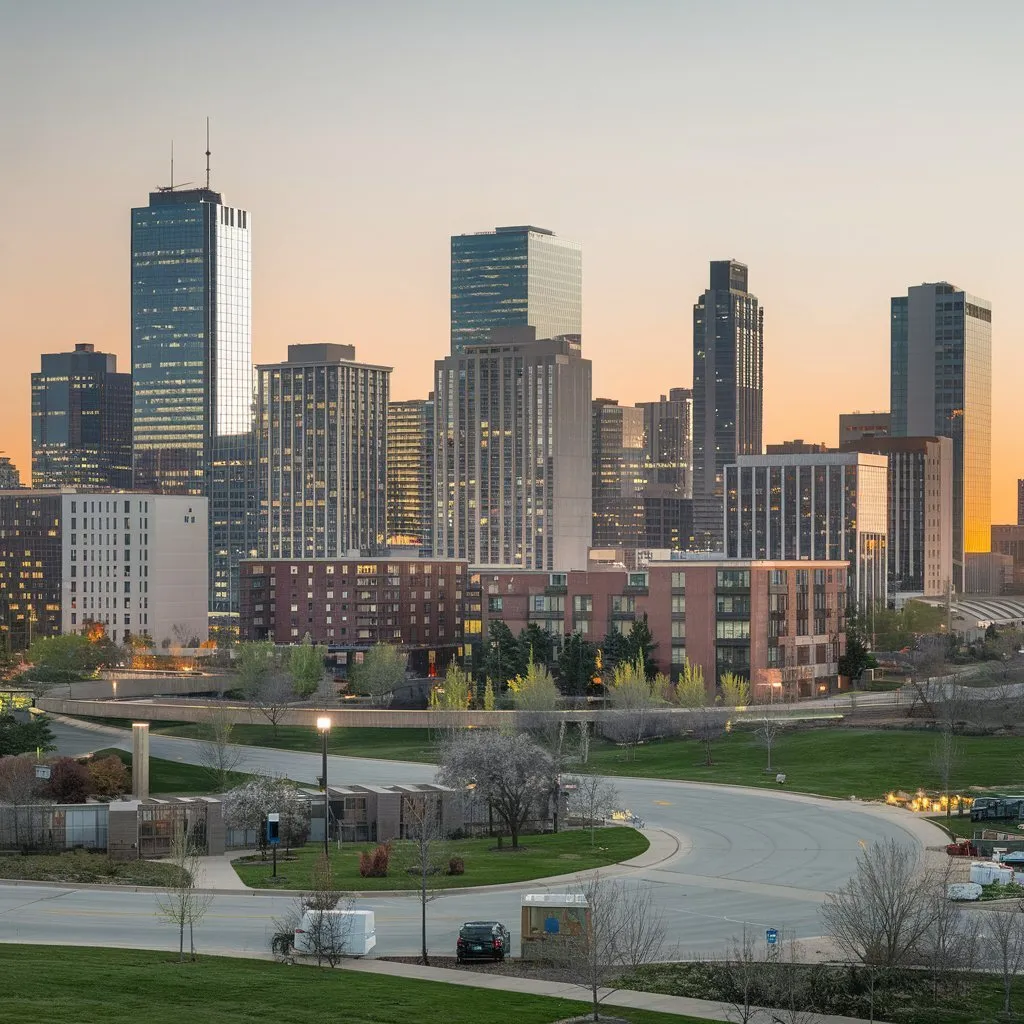
LoDo's commercial roofing inventory is unlike anywhere else in Denver. The district runs from the South Platte River to about 20th Street and from Speer Boulevard to Wewatta Street - a roughly 40-block area where 1880s brick warehouse buildings sit adjacent to the 2014 Denver Union Station hotel renovation and the 1995 Coors Field stadium. Each building generation has its own roof type, condition profile, and access complexity.
The 19th-century warehouse buildings - the ones along Larimer Street, Blake Street, and Market Street that were converted into restaurants, offices, and apartments in the 1990s - typically carry original wood-deck or heavy-timber structural systems. Wood-deck commercial roofing requires different specification decisions than metal-deck work: fastener pull-out values are lower, moisture assessment through the deck requires penetrating moisture readings rather than core pulls alone, and any existing gravel-ballasted BUR system has to be evaluated for dead-load impact on the structure before the ballast weight is removed. We run structural review coordination on every wood-deck LoDo project where we are removing ballasted aggregate.
The Union Station hotel renovation and the mixed-use buildings on the Wewatta corridor - the newer hotel properties and the office buildings along 17th and 18th streets east of the station - represent the other end of the LoDo spectrum: 2010s construction with complex rooftop programming, green-roof terraces, and rooftop bar or restaurant operations that make standard membrane replacement scheduling impossible without detailed occupancy calendar coordination. We build production schedules around hotel occupancy calendars and coordinate with operators on every project where guest experience or event operations would be affected by rooftop work.
The Denver Union Station redevelopment, completed in 2014, involved full restoration of the 1914 station headhouse and construction of a surrounding mixed-use complex that includes the Crawford Hotel, the Great Hall terminal space, and the bus and transit concourse below grade. The rooftop envelope of the station headhouse is a historic structure under Denver Landmark Preservation Commission jurisdiction - any repair or replacement of visible rooftop elements requires landmark review and approval. The surrounding newer buildings carry manufacturer-warranty systems from the mid-2010s that are approaching their first major maintenance milestones and in some cases their first warranty renewal decisions.
The hotel and office properties along Wewatta Street between 15th and 18th - including the Kimpton Hotel Born and adjacent commercial buildings - have rooftop activation programming that runs spring through fall. Rooftop bars and outdoor event spaces in this corridor generate scheduling constraints that eliminate weekend summer windows for any membrane work that would affect occupancy. We schedule LoDo hospitality roofing in early-morning weekday windows during off-peak occupancy months, typically November through March, and coordinate directly with the property's general manager and engineering team on production schedules.
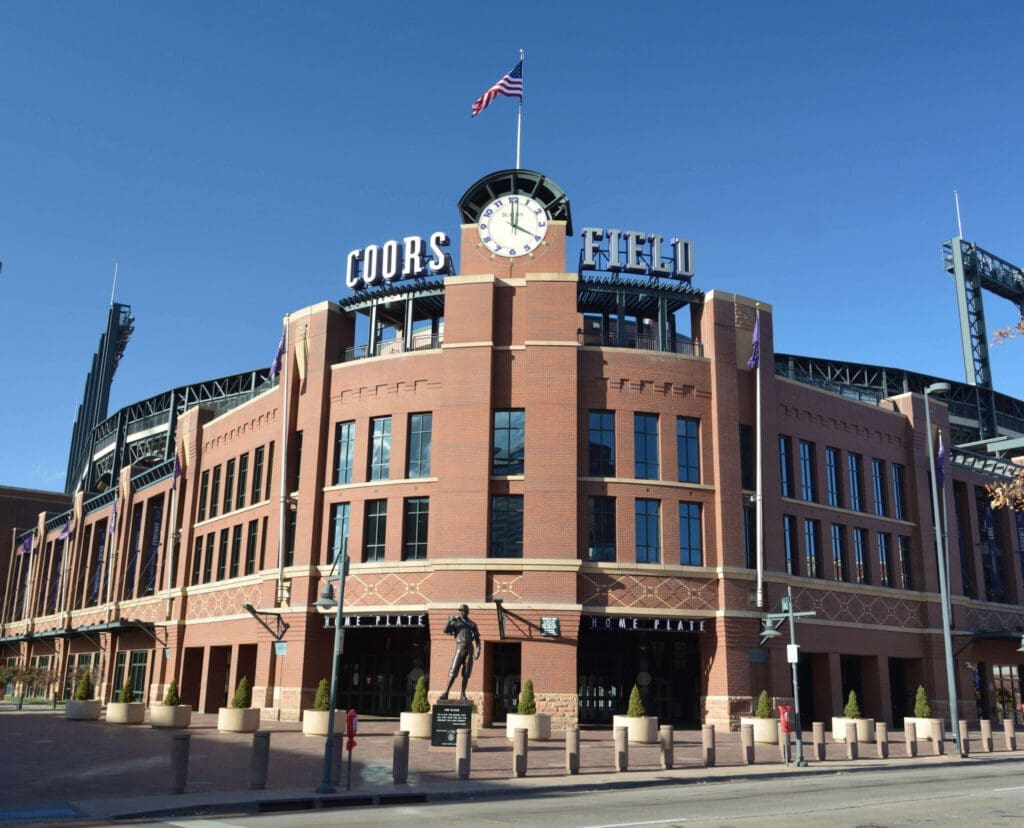
Coors Field Block and Ballpark Proximity
The commercial buildings surrounding Coors Field - along Blake Street from 19th to 21st Street, and the mixed-use development facing the ballpark on the east and south - operate on event-driven schedules that make late-spring and summer roofing work coordination-intensive. Colorado Rockies home game dates from April through September block street access for crane mobilization and material delivery in a three-block radius around the park. We obtain the seasonal game schedule before scoping any Coors Field-area project and build access windows around game dates as part of the production calendar.
The buildings in this immediate zone are predominantly 1990s commercial construction from the ballpark-era redevelopment wave - now 25 to 30 years old and in first or second replacement cycles. Common conditions: modified bitumen APP on lightweight concrete deck, failed parapet cap metal, and drain configurations designed around the original construction footprint that have not been updated for subsequent occupancy changes that altered interior drainage patterns.
Frequently asked questions
How does landmark review work for LoDo historic buildings?
The Denver Landmark Preservation Commission reviews applications for any exterior alteration to landmark-designated structures, which includes most of the 19th-century warehouse buildings in the LoDo historic district. Landmark review applies to visible rooftop elements - parapet cap treatment, rooftop mechanical screens, and visible edge metal. We identify landmark status and review requirements during the permit pre-application phase and build the landmark review timeline into the project schedule before contract signing.
Can you work around hotel and restaurant operations at LoDo properties?
Yes. We coordinate production schedules directly with hotel general managers and restaurant operators to identify windows that do not affect guest experience, event calendars, or rooftop programming. Early-morning weekday starts, off-season scheduling, and phased production that isolates active rooftop sections are standard tools for LoDo hospitality projects.
What is your experience with wood-deck buildings in LoDo?
Wood-deck roofing requires different assessment methodology than metal-deck work. We use penetrating moisture meters to assess deck moisture content, not just core pulls, and we coordinate with a structural engineer on any wood-deck project where we are removing ballasted aggregate to confirm the dead-load change is within structural tolerance. Fastener pull-out values on aged wood deck are tested before we specify mechanically attached membrane systems.
Do Coors Field game days affect your scheduling in that area?
Yes. Crane mobilization and material delivery within approximately three blocks of Coors Field are constrained on Rockies home game dates from April through September. We obtain the full seasonal schedule during pre-construction and build access windows around game dates as a standard part of the project calendar for any Blake Street or Park Avenue project in that zone.
Get a LoDo commercial roof inspection or replacement scope.
Our project managers understand the landmark review requirements, occupancy scheduling constraints, and wood-deck assessment process that LoDo projects require. We will produce a written scope that accounts for all of it before the project starts.
| Scope Format | Written roof plan and photo record |
|---|---|
| Primary Market | Denver commercial buildings |