Impact Bruising, Functional Damage, and Cosmetic Damage in Denver Hail Context
Insurance-grade hail damage documentation and repair for Denver commercial flat roofs - impact bruising assessment, core samples, zone photo logs, and repair-vs-replace scope packages for Colorado Front Range hail events.
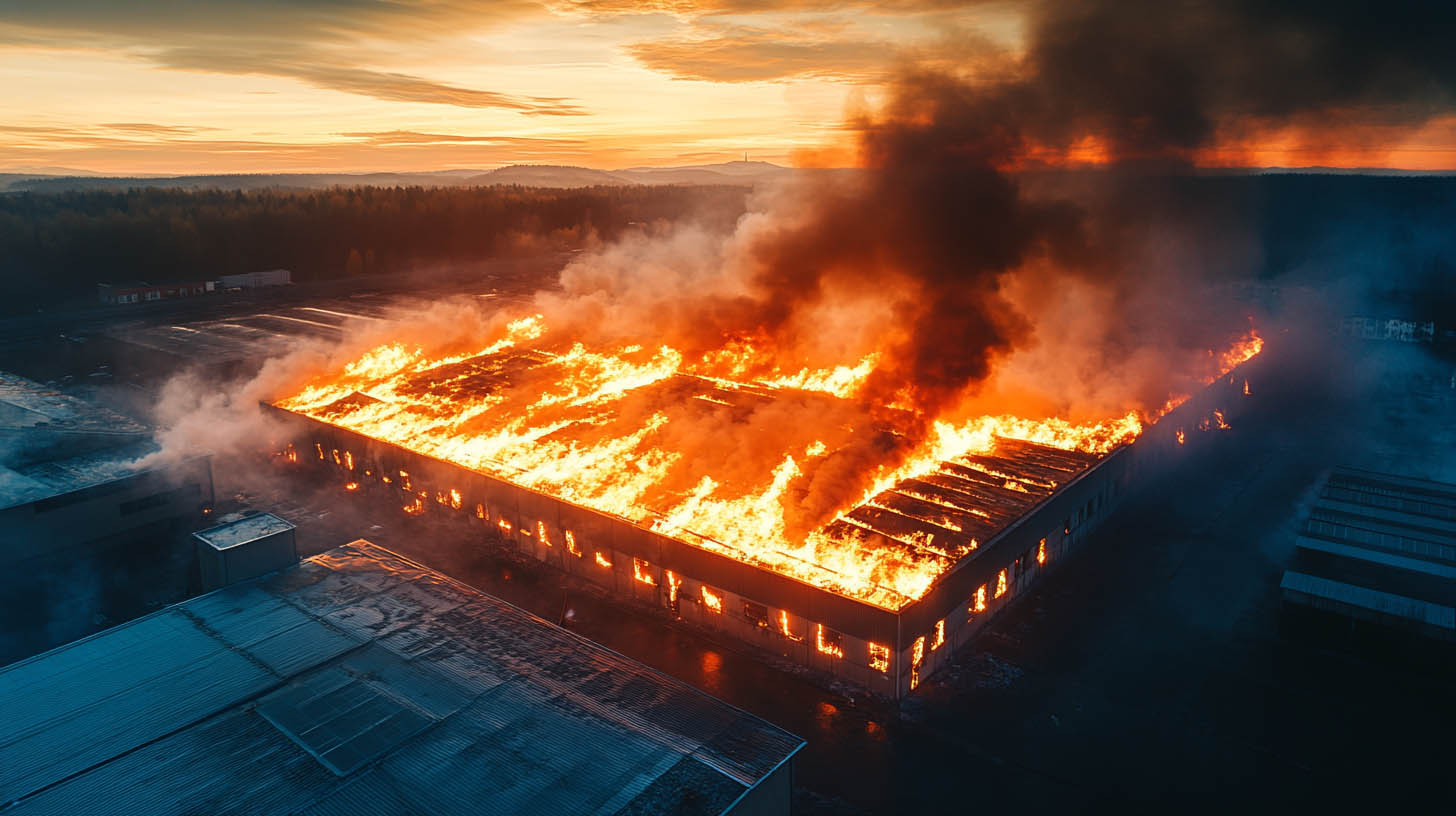
Colorado ranks in the top three states nationally for annual hail frequency and insured losses. When baseball-sized stones roll across the Front Range from May through August, the damage that drives the largest repair costs is often invisible from ground level. We document what is actually on the roof - impact bruising, membrane punctures, seam stress, insulation facer fractures - in a format Colorado adjusters and public adjusters can work from.
The May 2017 hail event that crossed Denver's eastern suburbs produced documented stones over 2.5 inches in diameter across Adams and Arapahoe counties. Buildings on the I-70 corridor east of downtown - warehouse and light-industrial stock on mechanically attached TPO over standard-density polyiso - absorbed hail at an energy level that fractured insulation facers without puncturing the membrane surface. Owners who took a quick-look inspection and got a clean bill walked into active leak season the following spring with compromised insulation and delaminating membrane that was invisible on the day of the storm.
The summer 2023 hail season delivered multiple documented 2-inch-plus events across Denver County, Adams County, and Douglas County. Several events in the Highlands Ranch and Lone Tree commercial corridor produced concentrated functional damage on the large-format retail and medical-office buildings along the C-470 corridor. Granulated modified bitumen on older Cherry Creek and Capitol Hill commercial buildings took granule displacement that looks like normal surface weathering but indicates underlying cap sheet stress at impact points.
Our job is to produce the documentation package that supports your adjuster or public adjuster - not to make insurance promises we cannot keep. What we deliver is a zone-level scope with GPS-tagged photos at every impact site, core sample results, NOAA storm data cross-referenced to the event date, and a written repair-vs-replace recommendation based on functional damage density and pre-storm condition. Colorado claims move on documentation, and we build documentation that holds up to carrier scrutiny.
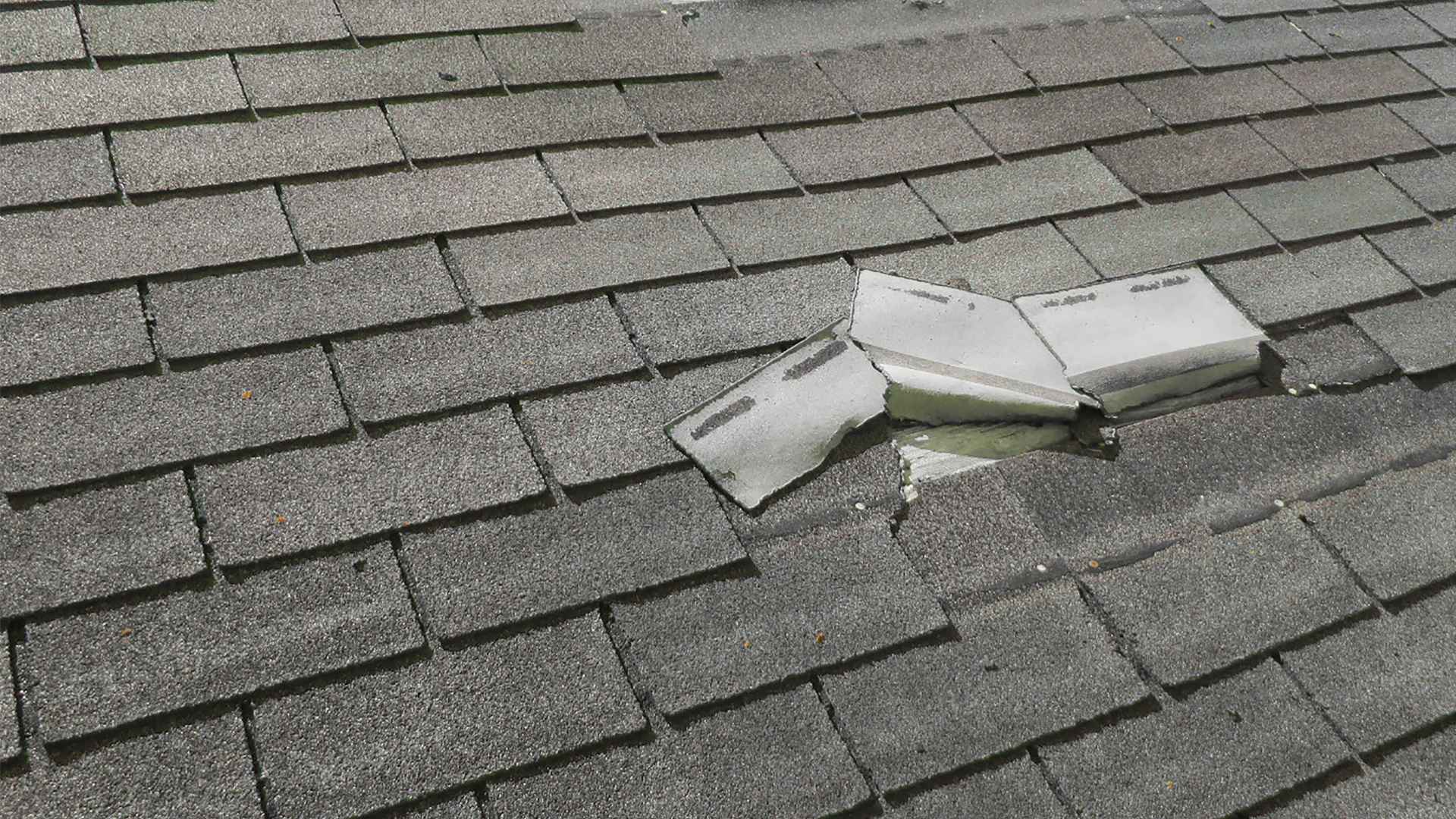
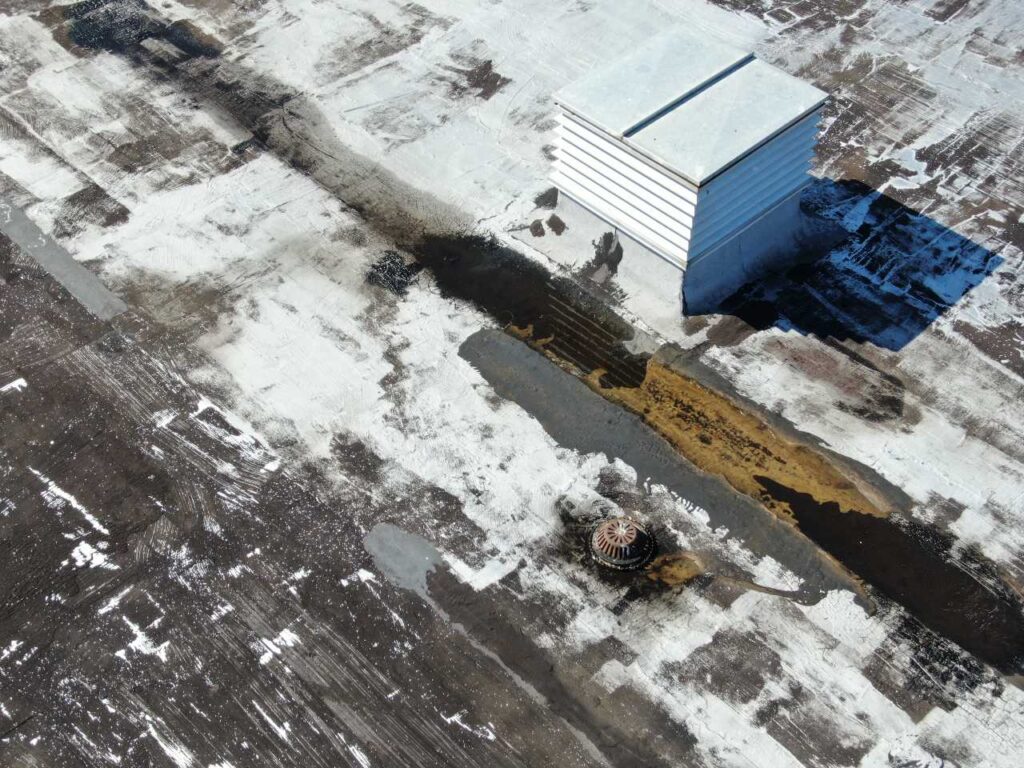
Not all hail damage categories carry the same claim weight, and misreading them is how Colorado commercial building owners end up with underpaid claims or unnecessary scope. Cosmetic damage means the membrane surface shows marks - granule displacement on modified bitumen, surface scuffing on TPO - but the waterproofing layer is intact. Functional damage means the waterproofing is compromised: fractured TPO at impact points, cracked EPDM at seam intersections, split modified bitumen cap sheet where a large stone struck at a joint.
Impact bruising is the middle category and the most consequential for Denver buildings. On mechanically attached TPO over standard-density polyiso - the most common commercial roofing system on Front Range warehouses and mid-rise office buildings - baseball-sized hailstones at impact velocities seen during peak-season events can transfer energy through the membrane into the insulation facer without puncturing the membrane surface. The facer fractures, the insulation loses its compressive strength, and the membrane is unsupported at those locations. Denver's the delamination cycle that turns bruising-class damage into active leaks within one or two seasons.
We document all three categories separately, zone by zone, with a photo index tied to the roof zone diagram. The adjuster sees what is cosmetic, what is functional, and what requires core-sample verification to classify - and we include the core results in the package so the bruising-class damage is verifiable rather than asserted.
Building the Insurance-Grade Photo Log for Colorado Carriers
Colorado commercial property insurance is concentrated among a handful of major carriers - State Farm, Allstate, Farmers, USAA, and American Family, which has its corporate headquarters in Madison but a significant Front Range commercial book. Each carrier's adjuster protocols vary on documentation detail, but the minimum package that moves a claim without a field reinspection is consistent: GPS-tagged zone photos at every impact site, core sample results photographed and logged, storm-event NOAA data cross-referenced to the building location, and a written scope that distinguishes event damage from pre-existing condition.
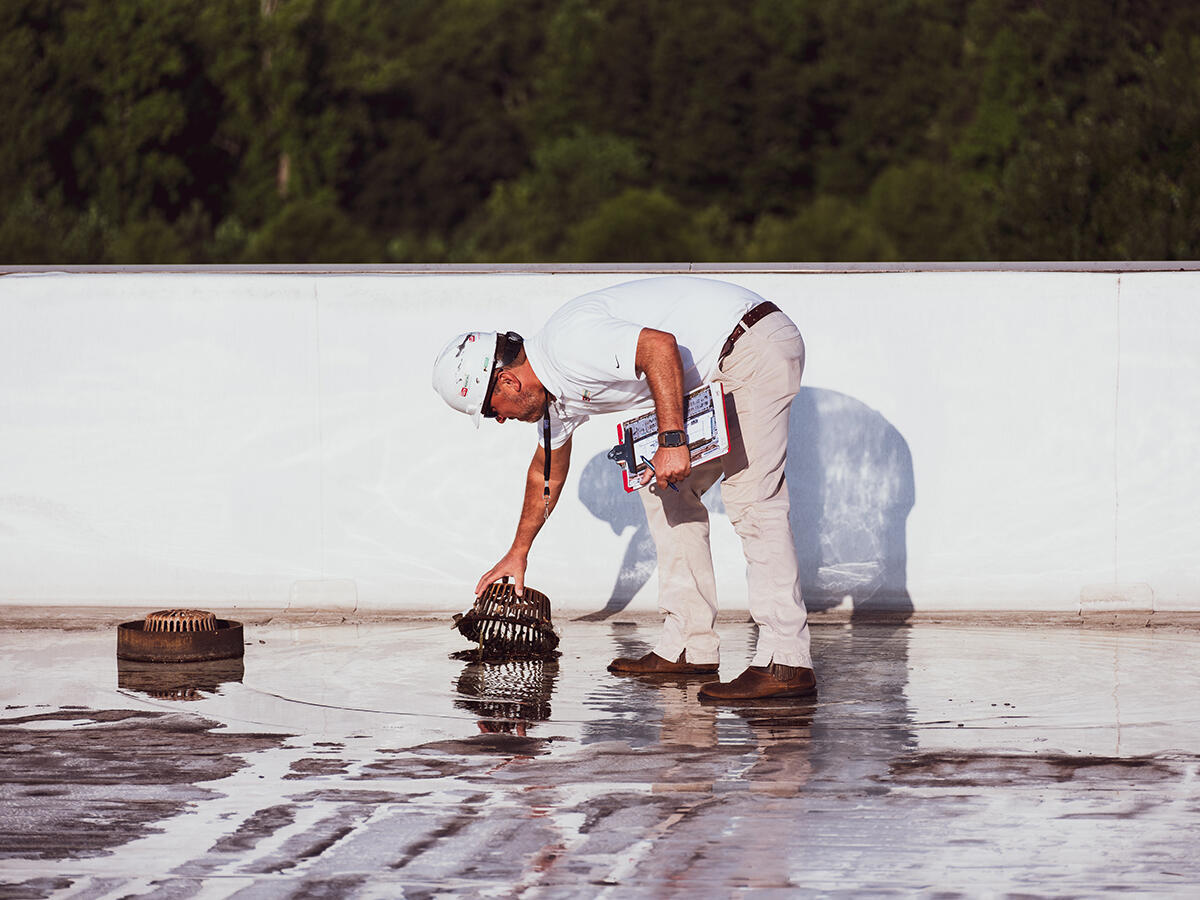
Every impact site gets photographed at three distances: a GPS-tagged wide shot showing roof zone context, a mid-range shot showing the impact pattern relative to seams and penetrations, and a close-up with a standardized scale marker. We flag every impact site within 12 inches of a seam or flashing detail because those sites carry elevated functional-damage risk even when the membrane surface looks intact. Core samples are pulled in high-impact zones and at any low point where water pooling has been documented by facility management.
Storm documentation is included as standard: NOAA NEXRAD radar data for the event, SPC storm report cross-referenced to the building's zip code, and available Verisk or CoreLogic hail footprint data where the event falls within their verified coverage area. This documentation ties the damage to the specific event covered by the claim - a distinction that matters when multiple hail events hit the same zip code across a single season, which is common across Adams and Arapahoe counties.
Repair vs. Replace After a Front Range Hail Event
The honest repair-vs-replace recommendation depends on three variables: the roof's pre-storm condition, the density of functional damage across the field, and whether bruising-class insulation damage is concentrated or widespread. A Denver commercial building that was on a documented maintenance program with no pre-existing moisture saturation, hit by a storm event that produced functional damage in two of eight roof zones, is a strong repair candidate - membrane patch at impact points, seam reinforcement at stressed laps, insulation replacement under confirmed bruising zones.
A building that entered the storm with 20 to 25 percent moisture saturation in the insulation - common on older DTC office buildings and Cherry Creek retail that have not had a core pull in a decade - combined with widespread functional damage across 40 percent of the field, is a replacement candidate. The pre-existing saturation disqualifies recover as a cost-effective option, and widespread functional damage makes selective repair economically equivalent to full replacement at a lower confidence level. We document pre-storm condition separately from storm damage in every scope because conflating the two undermines the claim and the actual repair decision.
The written recommendation goes to you with the basis for the recommendation spelled out. What happens with that recommendation in the Colorado insurance process - between you, your adjuster, and any public adjuster you have engaged - is not our lane. We are roofers. We produce the documentation.
Frequently asked questions
How soon after a Denver hail event should we schedule an inspection?
As soon as possible after a documented event. Denver's May through August hail season produces multiple events in close sequence across the same zip codes. Getting a scope tied to a specific event before the next storm is critical for claim attribution - once a second event hits, separating damage from event one and event two becomes a documentation challenge that complicates every claim involved. We mobilize for post-storm inspections within 48 to 72 hours of major events for buildings on our maintenance contracts and within 3 to 5 business days for new calls, depending on event severity and metro-wide demand.
Do you work directly with Colorado insurance adjusters?
We provide documentation that adjusters can work from - zone diagrams, photo logs keyed to the zone map, core sample results, NOAA storm data, and a written repair-vs-replace scope with the basis spelled out. We are roofers, not public adjusters or licensed claim representatives. We do not negotiate claims or represent you in the insurance process. What we do is give the people handling your claim a package they can use to move the scope from field dispute to documented settlement.
Can you do temporary repairs while the Colorado claim is being processed?
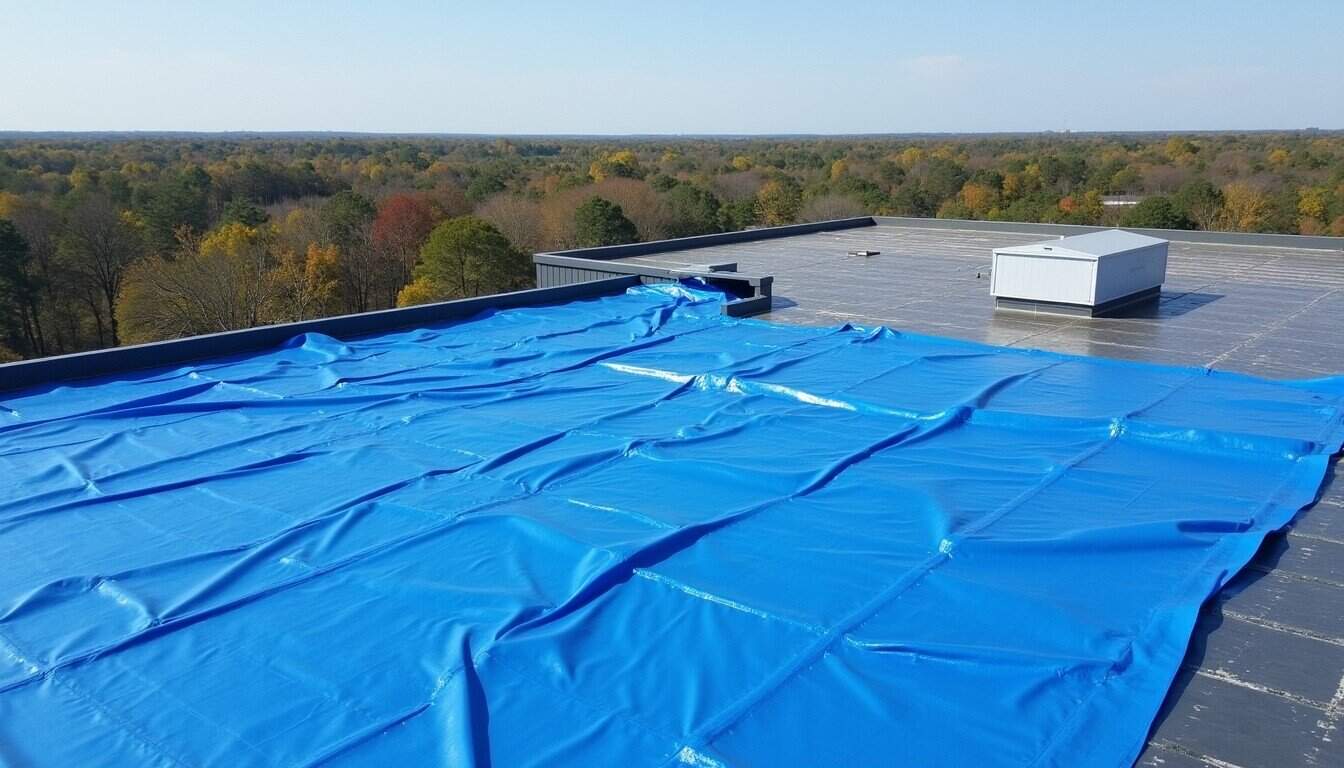
Yes. Emergency dry-in and temporary patching are scoped and invoiced separately from the insurance documentation work. We stabilize the roof to stop active infiltration, document the temporary repair scope separately from the hail damage scope, and structure the documentation package so the temporary work does not complicate the carrier's review of the storm damage claim.
The adjuster called the damage cosmetic. What does that mean for a Denver building?
| Scope Format | Written roof plan and photo record |
|---|---|
| Primary Market | Denver commercial buildings |