Frequently asked questions
Roofing for food processing plants, cold storage facilities, and distribution centers throughout Denver, CO.
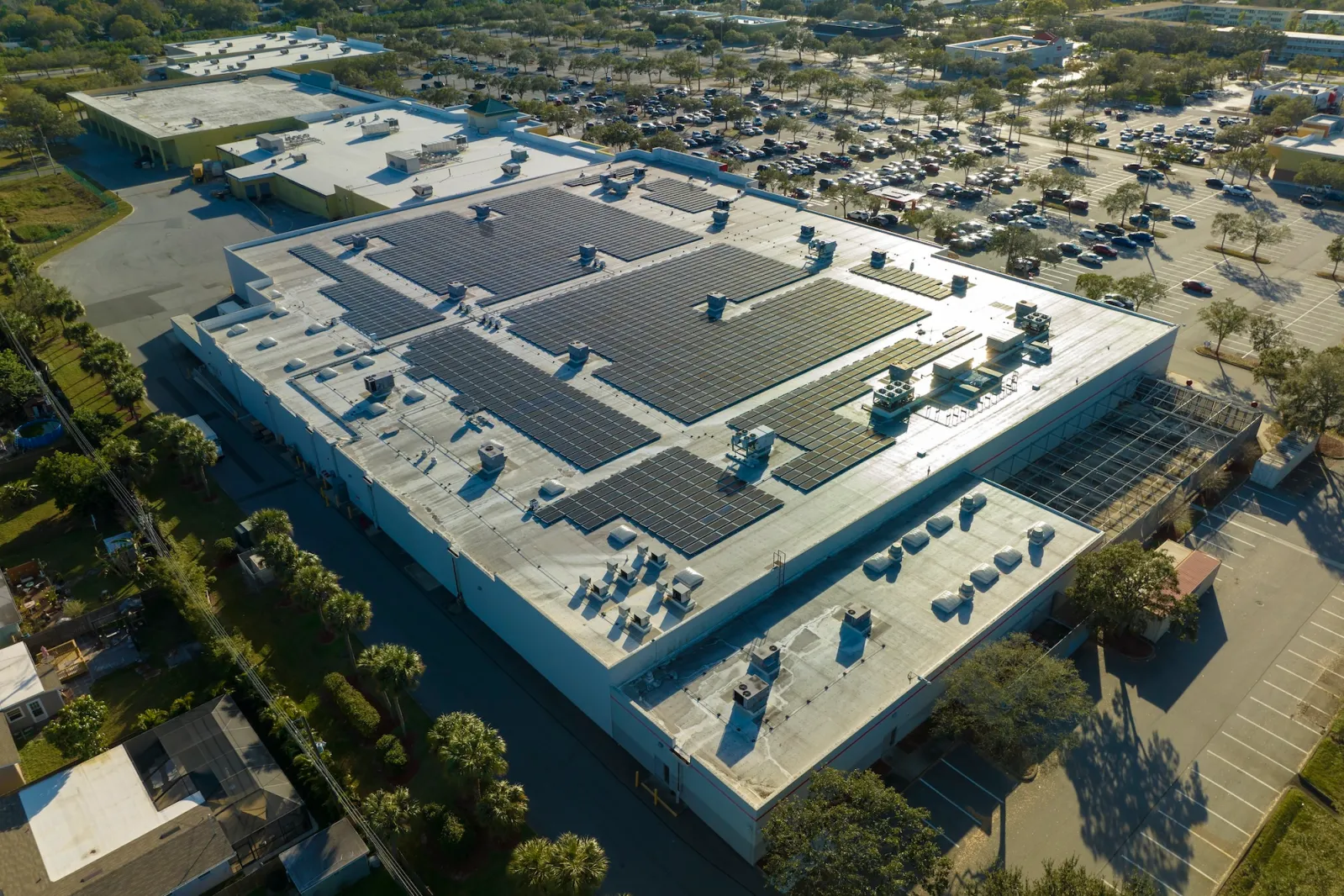
Denver's food processing and cold storage sector operates under the influence of some of the most demanding roofing conditions in the United States. JBS USA, headquartered in Greeley (the Denver metro's extended food corridor), operates the largest beef processing complex in the world and requires roofing systems across refrigerated slaughter, chilling, and frozen storage areas that meet USDA FSIS standards at every seam and penetration. Leprino Foods, the world's largest mozzarella producer, operates a major Denver manufacturing plant where steam, whey processing, and cold storage coexist under a single roofline, creating a uniquely challenging vapor environment. Ball Corporation's manufacturing operations in the Denver metro, while focused on packaging, share infrastructure and contractor pools with the region's food sector. Together, these operations define the high-stakes commercial roofing environment Denver food processors navigate.
Denver's climate sits at 5,280 feet elevation with semi-arid conditions, intense UV radiation, dramatic diurnal temperature swings, and a genuine four-season thermal range from -10°F winter lows to 95°F summer highs. This range creates relentless thermal cycling stress on roofing membranes, flashings, and sealants. Cold climates like Denver's drive vapor primarily outward from warm interior spaces toward the cold exterior during the long winter season. For cold storage facilities, this creates a particularly challenging situation: interior spaces are already cold, but heated areas of the facility - processing floors, offices, mechanical rooms - still push outward vapor during winter. Vapor retarders in Denver food facility roofs are typically placed on the warm side below the insulation, as in most cold-climate assemblies, and the overall system must be designed for drying toward the exterior to handle summer conditions.
Leprino Foods' Denver mozzarella plant presents one of the most complex roofing vapor environments in the food processing world. Cheese manufacturing involves massive steam inputs, high-humidity aging environments, and cold storage at multiple temperature set points. Steam-producing operations require roofing assemblies over production areas that can handle near-saturated interior air without condensing moisture inside the assembly. This typically requires a fully adhered, vapor-impermeable membrane directly over the deck or a continuous ccSPF application with high inherent vapor resistance. Over cold storage and aging rooms, insulation must achieve R-40 to R-60 while maintaining vapor retarder integrity at every detail - pipe penetrations, curb flashings, and wall-to-roof transitions are each potential condensation failure points.
USDA FSIS oversight of JBS USA's Greeley operations extends to building maintenance standards for federally inspected meat plants. FSIS regulations under 9 CFR Part 416 (Sanitation) require establishment operators to maintain buildings, including roofs, in a sanitary condition that prevents product contamination. Active roof leaks, dripping condensation from inadequately insulated assemblies, or pest entry through unsealed roof penetrations are all citable deficiencies under FSIS regulations. JBS USA and similar large meat processors in the Denver corridor maintain dedicated facilities engineering teams whose responsibilities include roof system management, annual infrared scans, and contractor qualification programs for roofing work.
Hail is a significant roofing risk for Denver food facilities. The Colorado Front Range is part of a high-frequency hail corridor that experiences multiple damaging storms annually. A 2-inch hailstone striking a standard TPO membrane at terminal velocity can puncture the membrane or shatter the top layer of polyisocyanurate insulation, compressing it and reducing R-value even without visible membrane damage. For large food processing campuses like JBS facilities, hail damage assessments following storm events require qualified roofing professionals to conduct walking inspections and infrared scans to identify areas of compressed or wet insulation that may not be immediately visible. Impact-resistant membranes rated FM 4473 Class 4 are increasingly standard specifications for Denver food facilities.
Cold storage insulation requirements at Denver are shaped by the combination of cold winters and refrigeration loads. Freezer rooms operating at 0°F in an environment where exterior temperatures reach -10°F in January require roof assemblies with R-40 to R-50 minimum to maintain adequate surface temperature on the exterior of the vapor retarder and prevent condensation within the assembly during cold weather. Unlike southern markets where solar gain is the primary driver of insulation specification, Denver's insulation values must be justified against both winter heat loss (which adds to heating costs) and summer heat gain (which adds to refrigeration costs). Life-cycle cost modeling typically shows R-50 assemblies outperforming R-30 assemblies over a 20-year period at Denver energy prices.
Dock and door transition details at Denver food facilities must account for snow load accumulation in addition to rain drainage. Snow accumulating at parapets or in low points near dock bays can create localized overloads during spring melt events, and melt water can infiltrate behind dock-area flashings if counterflashing details are not designed for snow drift conditions. Colorado building code requires structural roof designs to accommodate 30 - 50 pounds per square foot ground snow load depending on specific location, and drift calculations for buildings with adjacent height changes - common at dock-high loading dock areas - can add substantially to structural loading requirements.
Energy efficiency for Denver food facilities benefits from cool roofing during summer but must balance solar gain against winter heating costs. Unlike Phoenix or Las Vegas where cool roofing reduces energy consumption year-round, Denver's cold winters mean a white roof may modestly increase heating loads during the November - March period. For refrigerated and frozen food facilities, this tradeoff is less significant because refrigeration systems are nearly always the dominant energy consumer, and reducing summer compressor loads through cool roofing more than offsets the marginal winter heating increase. Life-cycle energy modeling for Denver freezer facilities typically shows net positive ROI for cool roof membranes over a 20-year period.
Commercial roofing contractors serving Denver's food processing corridor - from JBS's Greeley campus to Leprino's Denver plant - must be equipped for high-altitude, high-UV conditions that accelerate material aging compared to sea-level markets. Membrane manufacturers calibrate UV stabilizer packages for typical climates, and Denver's combination of high altitude (less atmospheric UV filtering) and high solar irradiance means membranes may require enhanced UV packages or shorter re-inspection intervals. Contractors should specify membrane systems with Colorado-specific field experience and should be able to reference completed projects at food processing facilities in the Front Range region with documented warranty performance over multiple years.
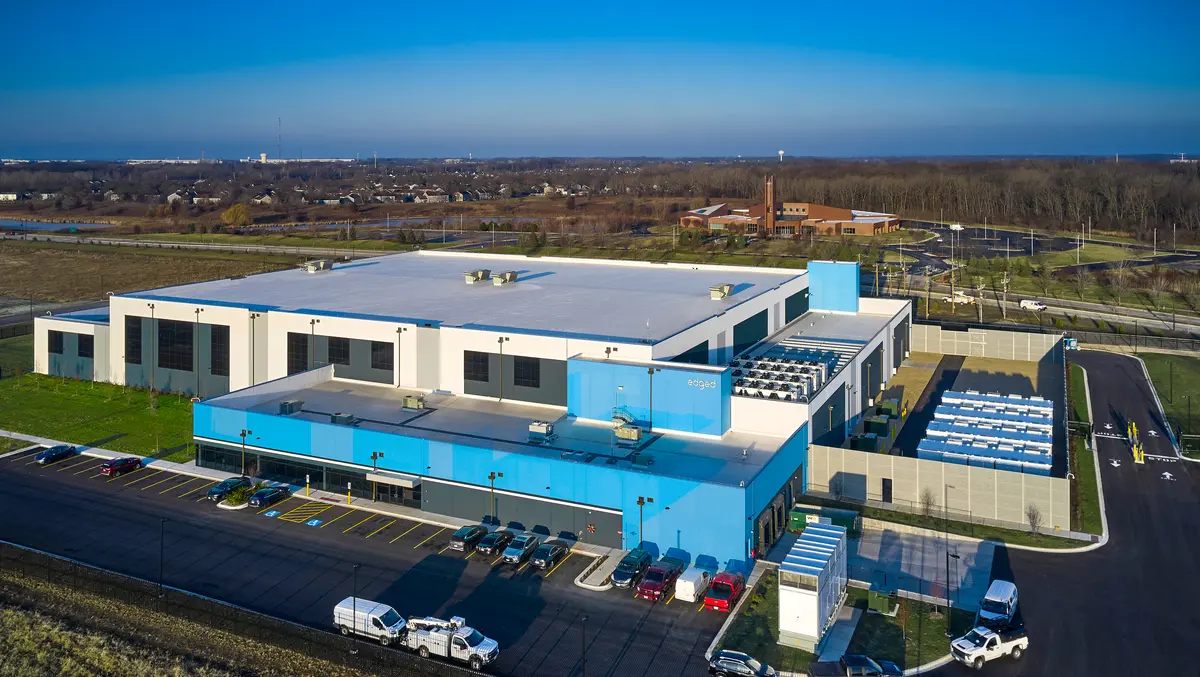
Can you work on a live data center in Denver without interrupting cooling systems?
Yes, but it requires active cooperation from the facility's operations team on the production schedule. We build our sequence around the cooling system's maintenance windows, work cooling-adjacent penetrations during planned low-load periods, and never independently shut down or disturb any mechanical penetration without the facility's written approval for that specific action on that specific date.
How do you handle fiber conduit penetrations at CoreSite or Cologix facilities?
We log every fiber conduit penetration before production begins. Each one is stripped to deck, a properly-sized pitch pan or curb flashing installed to manufacturer specification, and a secondary water stop placed inside the conduit bore. We photograph the completed detail and include it in the penetration manifest delivered at closeout. Equipment and tools are never routed across active conduit bundles.
How does Denver's hail season affect data center roof maintenance?
Significantly. A Front Range hail event can damage CRAC After a documented NOAA-verified event crossing the Denver metro, we run rapid assessments for data centers on our maintenance contracts that include both membrane condition and a visual inspection of rooftop cooling equipment. That documentation tells the operations team whether they are looking at a roof insurance claim, a cooling equipment claim, or both.
Do you produce the penetration manifest and closeout documentation that data center facilities management requires?
Yes. Our data center closeout package includes the manufacturer warranty document, a photo-keyed zone diagram, maintenance contract terms, and a penetration manifest that maps every roof penetration to the system it serves, the flashing detail installed, and the completion date. This is the document that makes every future contractor working on the roof accountable to an accurate inventory.
Data center roof scope in the Denver metro?
We will walk the roof, inventory every penetration, and produce a scope that accounts for your cooling system constraints and change-management requirements before we propose a production schedule.
| Scope Format | Written roof plan and photo record |
|---|---|
| Primary Market | Denver commercial buildings |