ICRA Protocol and Infection Control at Denver Medical Campuses
Commercial roofing for Denver-area hospitals and medical campuses - UCHealth, Denver Health, Children's Hospital Colorado, Anschutz Medical Campus, HealthONE, SCL Health, Centura - with infection-control protocols and rooftop equipment coordination.
The Denver metro is defined by one of the most complex medical roofing environments in the Mountain West - UCHealth University Hospital at Anschutz, Denver Health on West 8th, Children's Hospital Colorado in Aurora, HealthONE's HCA campuses, SCL Health, and Centura facilities across the Front Range. Roofing on occupied hospitals is an operational discipline, not just a construction project.
Denver's healthcare sector is among Colorado's largest employers and most capital-intensive property owners. UCHealth alone - Colorado's largest health system - operates multiple hospital campuses across the Front Range, including its flagship University Hospital on the Anschutz Medical Campus in Aurora, which is one of the most complex rooftop environments in the Rocky Mountain region. Denver Health, the safety-net hospital system serving Denver County, operates its main medical campus at West 8th Avenue and Cherokee with rooftop mechanical density that reflects decades of expansion. Children's Hospital Colorado on the Fitzsimons campus in Aurora sits directly in one of the Front Range's highest documented hail corridors. Centura Health and SCL Health - now both operating under Intermountain Health - run networks of community hospitals from Fort Collins to Pueblo that require the same operational discipline on every project regardless of building size.
Infection control is the first constraint on any occupied hospital project. The Joint Commission and Colorado Department of Public Health and Environment surveyors hold medical facilities accountable for construction infection control under ICRA - Infection Control Risk Assessment - protocols. At a minimum, an ICRA defines the protective tier for the project, which dictates whether standard dust control is sufficient or whether negative-pressure containment, HEPA-filtered exhaust, and daily crew decontamination procedures apply. At Children's Hospital Colorado, roofing work above occupied pediatric inpatient floors requires the highest ICRA tier regardless of the roofing scope because the immunocompromised patient population cannot tolerate any construction-related particulate intrusion.
Rooftop equipment density is the second constraint unique to healthcare buildings. A Denver hospital roof carries chillers, cooling towers, medical air compressors, surgical exhaust stacks, fume exhaust from laboratory research floors, emergency generator stacks, pneumatic tube system risers, and helipad structures - sometimes dozens of major mechanical penetrations across a single roof section. Every penetration re-flashing must be coordinated with the building's engineering team. We scope each penetration individually, confirm the system it serves, and coordinate any required shutdown window with the facility's engineering director before production begins.
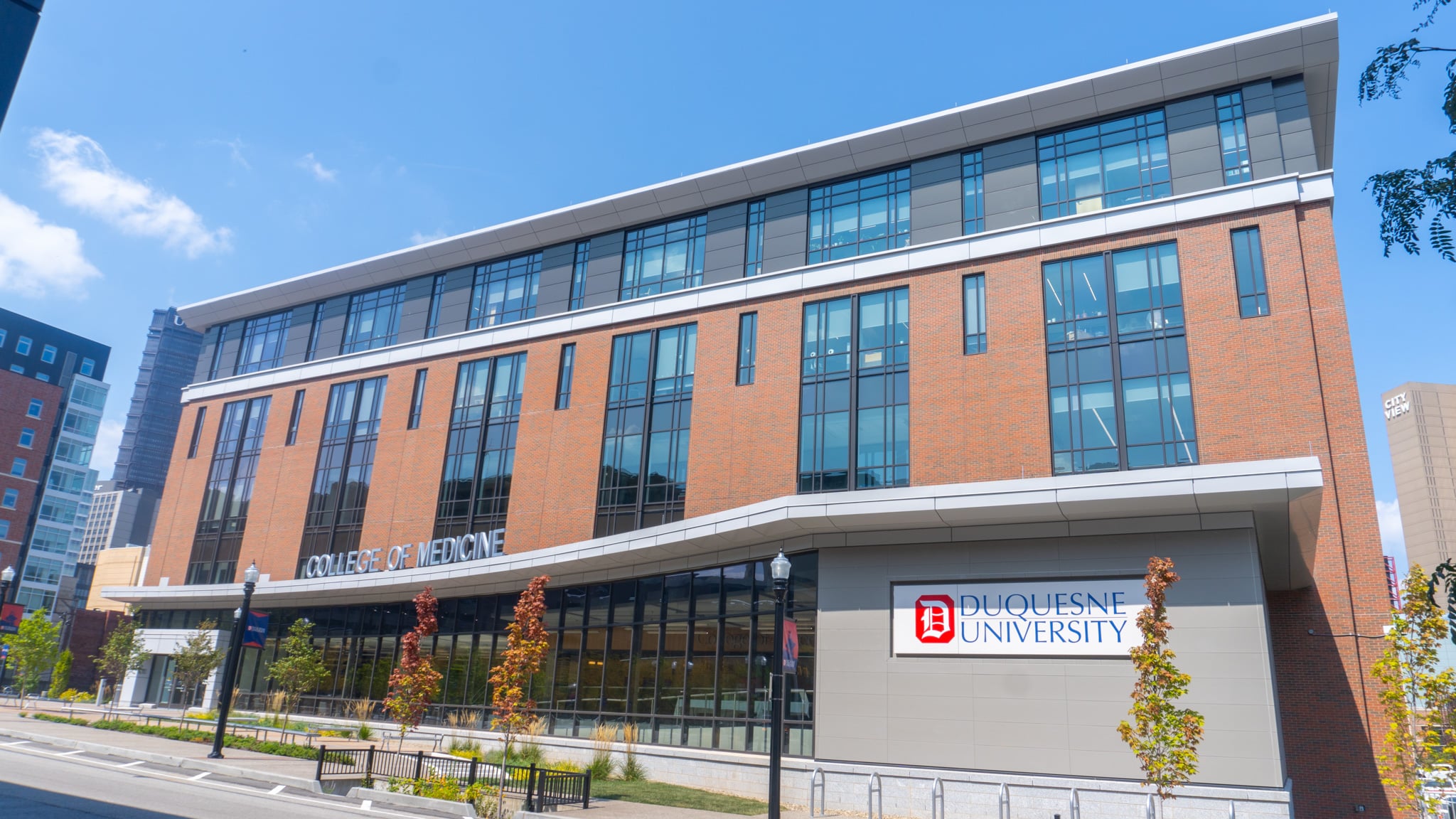
The Anschutz Medical Campus in Aurora is Colorado's most concentrated medical roofing environment. UCHealth University Hospital, Children's Hospital Colorado, the Rocky Mountain Regional VA Medical Center, and the University of Colorado Anschutz research and academic buildings are all on the Fitzsimons site. Each building has its own facilities management team, its own infection-control officer, and its own ICRA protocol - and a roofing contractor working across multiple buildings on that campus needs to navigate all of them without confusion. We assign a dedicated infection-control lead on every Anschutz project. That person attends the pre-construction ICRA meeting, signs the contractor acknowledgment form, and carries responsibility for daily containment verification before production starts.
Denver Health's main campus on West 8th Avenue serves some of Denver's highest-acuity patients, including trauma, behavioral health, and infectious disease populations. Roofing work on Denver Health's main hospital building requires off-hours scheduling for any scope element above occupied patient wings and close coordination with the facility's environmental services director on dust and debris management. We have completed roofing work on healthcare campuses in Colorado where the ICRA tier required full negative-pressure tent enclosures at all roof-access points - we know how to write the scope, staff the project, and execute the daily documentation that satisfies the facility's compliance requirements.
Rooftop Equipment Coordination on Colorado Hospital Campuses
Children's Hospital Colorado's Anschutz campus has rooftop areas directly above pediatric ICU and NICU floors where vibration from fastening tools is transmitted through the building structure. We use low-vibration screw attachment methods for substrate work above these floors and schedule any heavy deck work - demo saw, jackhammer - for the facility's lowest-census windows, typically Friday and Saturday overnight
Laboratory research buildings on the CU Anschutz campus carry fume exhaust stacks from research environments that cannot tolerate even brief interruption. We scope those roof sections with the facility's engineering director to identify which exhaust fans are on critical research protocols and which can tolerate a scheduled shutdown window. Critical exhaust stacks get worked around entirely - we cut in to within six inches, flash, and seal without interrupting the stack. Non-critical stacks get a 2 AM to 5 AM shutdown window that we request in writing and confirm in the pre-construction scope.
HealthONE campuses - including Medical Center of Aurora, Sky Ridge Medical Center in Lone Tree, and Presbyterian/St. Luke's Medical Center on East 19th Avenue in Denver - all run complex cooling tower infrastructure on their roofs. Legionella prevention protocols mean any direct work around a cooling tower base requires the facility's water management team to complete a drain-and-clean cycle and produce a log entry before we begin. We do not work around a hospital cooling tower without that documentation in hand, and we make that requirement explicit in the pre-construction scope so the schedule accounts for it.
Membrane Selection and System Specification for Healthcare Environments
TPO is the dominant membrane on post-2000 hospital construction across the Denver metro, and it performs well in healthcare environments - chemically inert to the range of exhaust emissions from medical and laboratory buildings, thermally efficient at altitude, and available in 20-year NDL warranty terms that align with hospital capital planning cycles. We specify 60-mil or 80-mil TPO depending on the roof's mechanical traffic load. Hospital roofs that see quarterly maintenance visits from mechanical contractors need 80-mil membrane and heavy-duty walkway pad systems at all major equipment access routes.
Surgical exhaust stacks and laboratory fume hoods create localized chemical exposure at the flashing line. Standard TPO flashing material handles incidental chemical contact, but penetrations that run hot or chemically aggressive exhaust - concentrated fume hood exhausts, autoclave vents, laboratory air handling exhaust - get PVC flashing at the specific penetration for better chemical resistance at those interfaces.
SCL Health and Centura facilities across the Front Range include a significant inventory of 1980s and 1990s hospital construction that is approaching second-replacement cycles on original modified bitumen or early single-ply systems. For these buildings, full replacement is the correct scope - recovering a 30- to 40-year-old system that has accumulated multiple hail events, freeze-thaw fatigue, and rooftop modification adds-ons is not a capital investment the building's owner should make. We scope these projects with moisture core pulls before recommending replace versus recover, and we document the core results in a written report that the facilities director can take to the capital committee.
Frequently asked questions
Do you have experience with ICRA and Joint Commission construction requirements for hospital roofing?
Yes. We have completed hospital projects under Joint Commission and CMS certification frameworks at Colorado healthcare facilities. We know the ICRA tier classification system, the Environment of Care construction documentation requirements, and how to interface with a hospital's safety officer, infection-control officer, and facilities director before and during production. Every hospital project we run includes a dedicated infection-control lead who attends the pre-construction ICRA meeting and signs the facility's contractor acknowledgment.
Can you work on occupied hospital floors without interrupting patient care?
That is the baseline expectation on every hospital project we run. We do not trigger HVAC contamination events, we do not create vibration events above occupied patient floors without pre-approval, and we do not make scope changes without coordinating with the facility's engineering team. If any element of the production scope requires an operational interruption, we identify it in pre-construction and schedule it in the facility's approved window - not ad hoc during production.
How do you handle hot-work permits at Denver-area hospitals?
Every hospital campus in the Denver metro has its own hot-work permit process - UCHealth, Denver Health, Children's Hospital Colorado, HealthONE, SCL Health, and Centura each run different forms and different approval chains. Our project managers know the process at each campus we work on. We do not begin any torch work, heat welding, or grinder operation without a signed hot-work permit from the facility's fire safety officer for that specific day and zone.
What is your response time for emergency roof leaks at Denver hospitals?
For facilities in the Anschutz Medical Campus, Denver Health, and the Presbyterian/St. Luke's campus on East 19th Avenue, emergency dry-in mobilization is within two to three hours. For HealthONE campuses in Aurora and Lone Tree, and Centura facilities in Littleton or Englewood, response is three to four hours. After-hours calls go to the project manager on duty, not to voicemail.
| Scope Format | Written roof plan and photo record |
|---|---|
| Primary Market | Denver commercial buildings |