Frequently asked questions
Commercial roofing programs for REITs and institutional real estate investors managing commercial property portfolios throughout Denver, CO.
Denver has established itself as one of the most important commercial real estate markets in the Mountain West, drawing sustained institutional investment from REITs like Prologis, which has aggressively expanded its industrial platform along the I-70 and I-25 corridors to serve the Front Range logistics network, and Healthpeak Properties, which holds medical office and life sciences assets tied to Denver's growing healthcare sector. For REIT portfolio managers and asset managers overseeing Denver commercial portfolios, roofing is a capital planning category that sits at the intersection of two distinct risk factors: the Front Range hail corridor, which delivers some of the most severe hail activity in North America, and Denver's elevation of approximately 5,280 feet, which subjects roofing membranes to UV radiation rates and temperature swing cycles that meaningfully shorten system life relative to national averages.
Denver's hail exposure is the most significant single risk factor in any institutional roofing program for the Colorado Front Range. The I-25 corridor from Denver to Colorado Springs sits within the densest large-hail activity zone in North America, with storms capable of producing baseball-sized hailstones occurring multiple times per season. The hail events that have struck Denver in recent years - including major storms in 2017, 2018, and 2023 - have caused billions in insured losses across the region and have directly impacted institutional commercial portfolios. REIT asset managers who have experienced a major Denver hail event with an unprepared contractor program understand viscerally the difference between pre-established MSA relationships and reactive open-market sourcing when every qualified roofing contractor in the Front Range is mobilized simultaneously.
The elevation effect on Denver commercial roofing is real and measurable, but it is the aspect of the market that national roofing programs most consistently underestimate. UV radiation at Denver's altitude is approximately 25 percent more intense than at sea level, which accelerates the oxidation of membrane surfaces, granule degradation on modified bitumen systems, and adhesive breakdown on mechanically attached single-ply roofing. A manufacturer's 20-year warranty on a TPO system assumes installation at something approximating sea-level UV exposure - in Denver, properly maintained systems typically show meaningful degradation of UV-exposed surfaces by year 14 to 16. REIT reserves built on manufacturer warranty terms rather than Denver-specific performance data are systematically underfunded.
Property condition assessments for Denver acquisitions must include both hail impact assessment and UV degradation evaluation. A membrane surface that shows no active leaks may have accumulated hail impact damage over multiple seasons and significant UV surface oxidation that has compromised its resistance to future impacts and UV stress. A PCA conducted by a local contractor with Front Range experience will identify these conditions through visual assessment of impact patterns, granule loss, and surface chalking in a way that a generic national inspector applying standardized protocols will not. The difference in PCA quality directly affects the accuracy of remaining useful life estimates and therefore the accuracy of reserve projections.
Denver's freeze-thaw cycling adds a third climate stressor that compounds the hail and UV risks. The Front Range experiences significant temperature variation even within single days during fall and spring, and winters include freeze-thaw cycles that can occur weekly or more frequently. Any membrane breach created by hail impact or UV degradation becomes a water infiltration point, and any infiltration that survives to a freeze cycle expands hydraulically through ice formation, widening the breach and saturating adjacent insulation. REIT asset managers who address hail impact damage promptly after storm events prevent this compounding failure cascade; those who defer repair until the next scheduled maintenance cycle sometimes discover that an insurable hail claim has become a structural infiltration event that exceeds coverage limits.
REIT CapEx planning for Denver portfolios requires a reserve methodology that incorporates both hail event probability and altitude-adjusted remaining useful life estimates. Prologis and other large institutional owners in Denver have developed preferred vendor programs that include annual post-hail-season assessments in addition to annual preventive maintenance visits, creating two documented data points per year that feed into the reserve model. This dual-inspection approach is more expensive than a single annual visit, but the insurance claim support value and the early detection of compound damage justify the cost on any portfolio of meaningful scale in the Front Range market.
NNN lease structures in Denver industrial portfolios create a specific challenge in a hail market: when a major storm impacts the building, the landlord's insurance program is activated regardless of what the lease says about tenant maintenance responsibilities, because the insurance policy is written in the landlord's name. The landlord's claims support process requires documented pre-storm condition baselines to establish that the damage was caused by the storm event rather than pre-existing deferred maintenance. A preferred vendor who maintains current condition records for all portfolio properties and can provide those records to the insurance adjuster immediately after a storm event is meaningfully more valuable than one who conducts assessments for the first time after a damage event occurs.
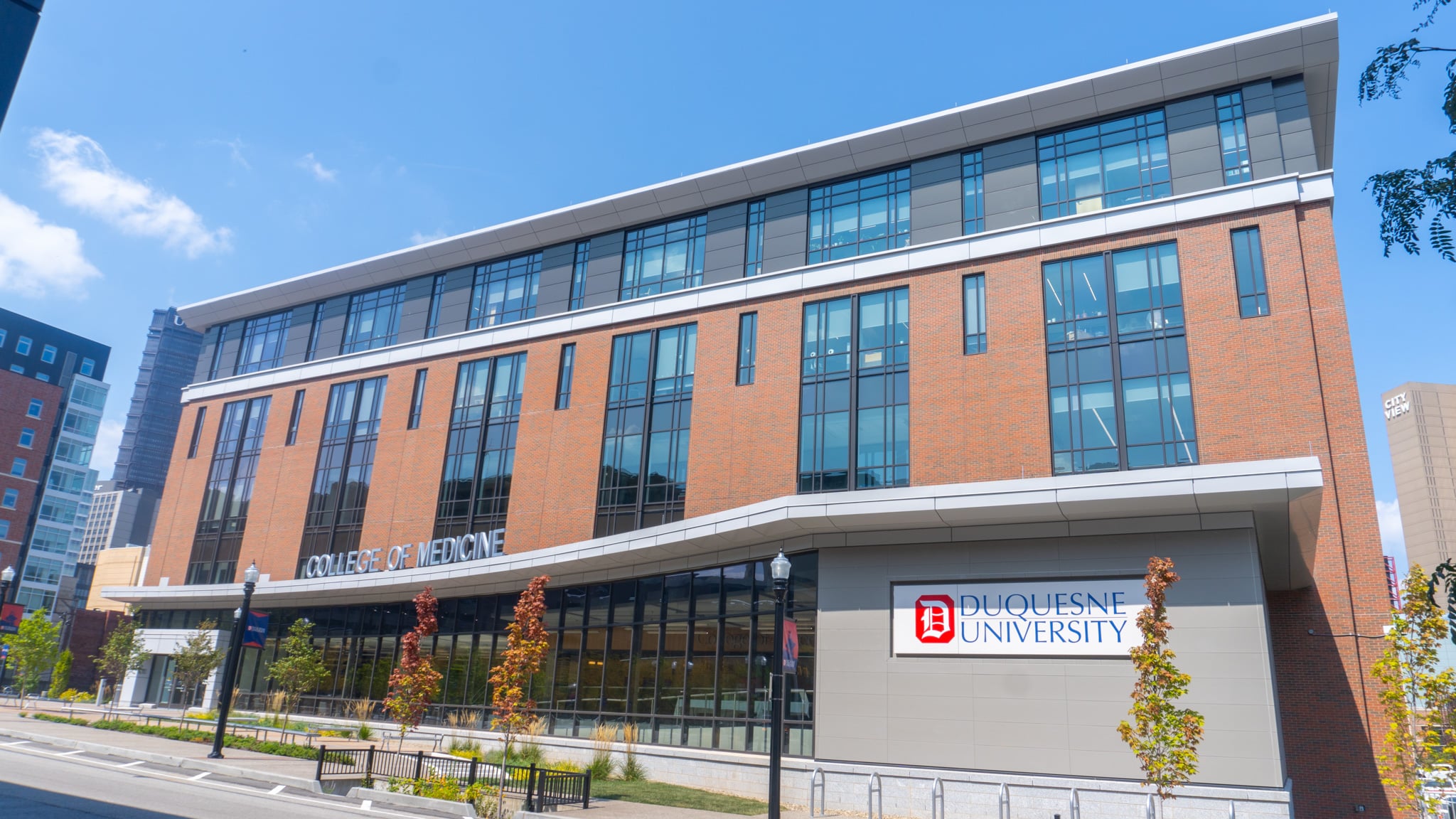
Denver's commercial market has attracted significant life sciences and healthcare real estate investment, driven by the University of Colorado Anschutz Medical Campus and the broader Denver metro healthcare system. Medical office and life sciences buildings carry roofing requirements that exceed standard commercial specifications - waterproofing standards in areas above occupied patient or laboratory space, HVAC penetration complexity, and the liability implications of a leak in a clinical or research environment. Healthpeak and similar healthcare REITs in Denver need preferred vendors who understand these specialized requirements and can address them within the framework of a portfolio-wide MSA.
REIT asset managers with Denver portfolios who have built their preferred vendor programs before the hail season rather than in response to it consistently outperform those who have not. The Front Range roofing market during and after a major hail event is a constrained resource allocation problem - qualified contractor crews, membrane materials, and inspection capacity are all finite, and those resources flow first to clients with established relationships and MSA commitments. Establishing the preferred vendor program when your Denver portfolio is small and growing it as acquisitions accumulate is not just a best practice - it is the only approach that ensures institutional-grade roofing service during the storm events that test it most severely.
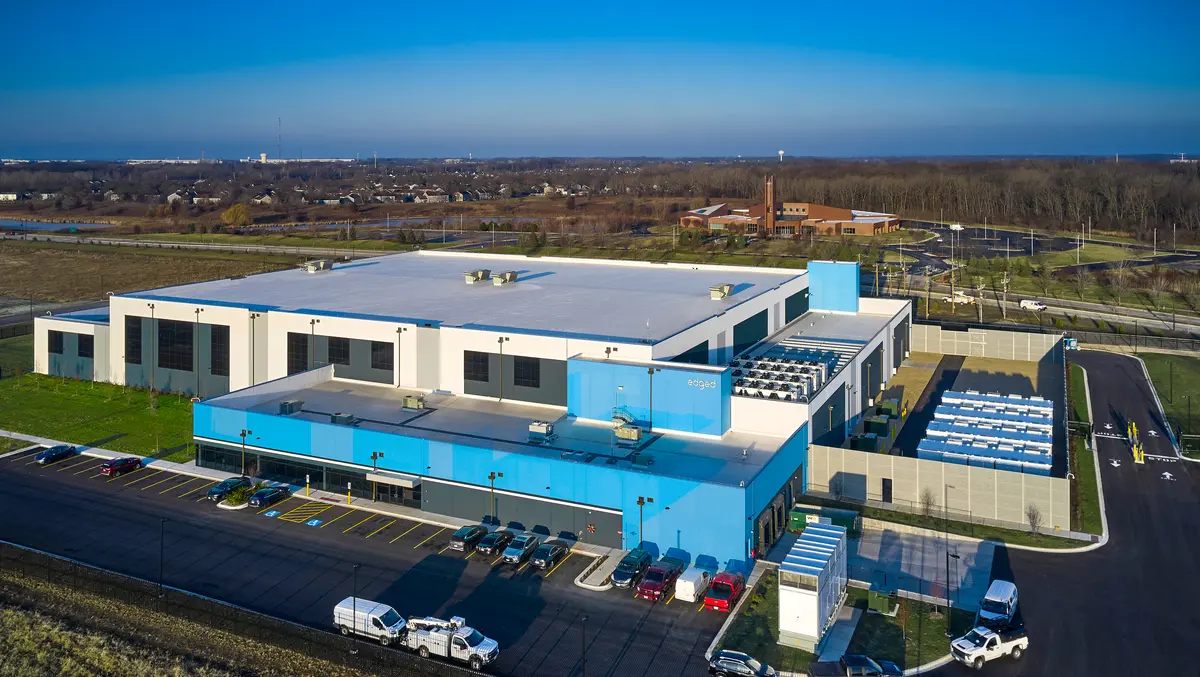
Can you work on a live data center in Denver without interrupting cooling systems?
Yes, but it requires active cooperation from the facility's operations team on the production schedule. We build our sequence around the cooling system's maintenance windows, work cooling-adjacent penetrations during planned low-load periods, and never independently shut down or disturb any mechanical penetration without the facility's written approval for that specific action on that specific date.
How do you handle fiber conduit penetrations at CoreSite or Cologix facilities?
We log every fiber conduit penetration before production begins. Each one is stripped to deck, a properly-sized pitch pan or curb flashing installed to manufacturer specification, and a secondary water stop placed inside the conduit bore. We photograph the completed detail and include it in the penetration manifest delivered at closeout. Equipment and tools are never routed across active conduit bundles.
How does Denver's hail season affect data center roof maintenance?
Significantly. A Front Range hail event can damage CRAC After a documented NOAA-verified event crossing the Denver metro, we run rapid assessments for data centers on our maintenance contracts that include both membrane condition and a visual inspection of rooftop cooling equipment. That documentation tells the operations team whether they are looking at a roof insurance claim, a cooling equipment claim, or both.
Do you produce the penetration manifest and closeout documentation that data center facilities management requires?
Yes. Our data center closeout package includes the manufacturer warranty document, a photo-keyed zone diagram, maintenance contract terms, and a penetration manifest that maps every roof penetration to the system it serves, the flashing detail installed, and the completion date. This is the document that makes every future contractor working on the roof accountable to an accurate inventory.
Data center roof scope in the Denver metro?
We will walk the roof, inventory every penetration, and produce a scope that accounts for your cooling system constraints and change-management requirements before we propose a production schedule.
| Scope Format | Written roof plan and photo record |
|---|---|
| Primary Market | Denver commercial buildings |