Rooftop Communications Infrastructure and Solar Coordination
Technology campuses typically carry higher rooftop infrastructure density than standard Class A office buildings. Satellite dishes, antenna arrays, GPS receivers, and communications equipment are common at satellite imagery and telecommunications-adjacent companies like Maxar and Dish Network. Rooftop solar is standard on newer technology campuses, and the ballast systems, conduit runs, and inverter equipment associated with solar arrays create penetration complexity that requires careful re-flashing during any roofing replacement. Rooftop terraces and amenity spaces - common on newer tech campuses in RiNo, the Platte River corridor, and Boulder's innovation districts - create a finished-surface interface requirement that standard commercial roofing does not encounter.
Technology company facility managers typically work within a campus management framework where roofing decisions are coordinated with real estate operations, sustainability teams tracking LEED and energy performance metrics, and IT infrastructure teams managing rooftop communications equipment. We engage with all three groups during pre-construction - the facility manager drives the project, but the sustainability team's requirements and the IT team's equipment shutdown windows both shape the production sequence.
Dish Network's Englewood headquarters carries a concentration of satellite dish and antenna infrastructure that reflects the company's core business. Roofing work on a Dish Network building requires pre-construction coordination with the company's network operations team to identify which antenna systems are on live traffic paths and which can tolerate a temporary shutdown or relocation window. We treat every antenna mount as a penetration that gets individually inventoried, re-flashed to specification, and documented at closeout - not as a field judgment.
Maxar Technologies' Westminster campus includes satellite ground stations and precision GPS equipment whose operation cannot tolerate even brief electromagnetic interference from welding operations in close proximity. We coordinate heat-welding and torch operations on rooftop sections adjacent to sensitive antenna equipment with Maxar's facilities and ground-station operations teams before production begins - not after the work is done.
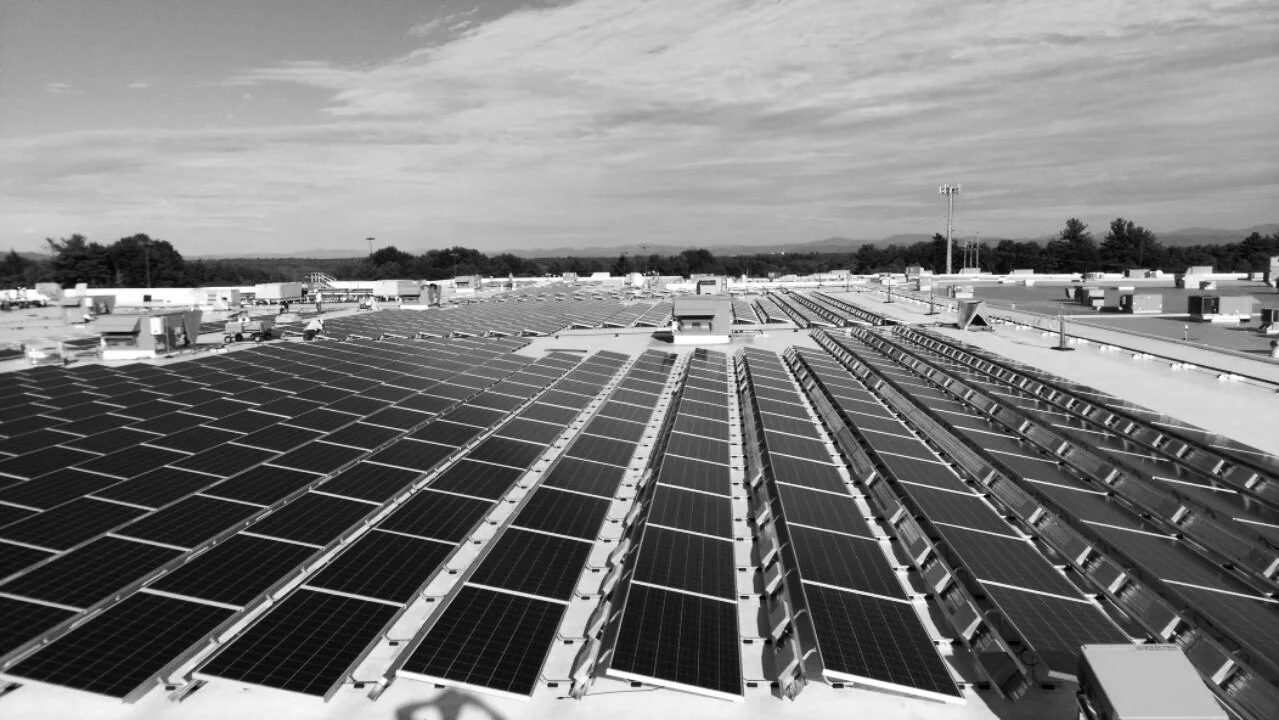
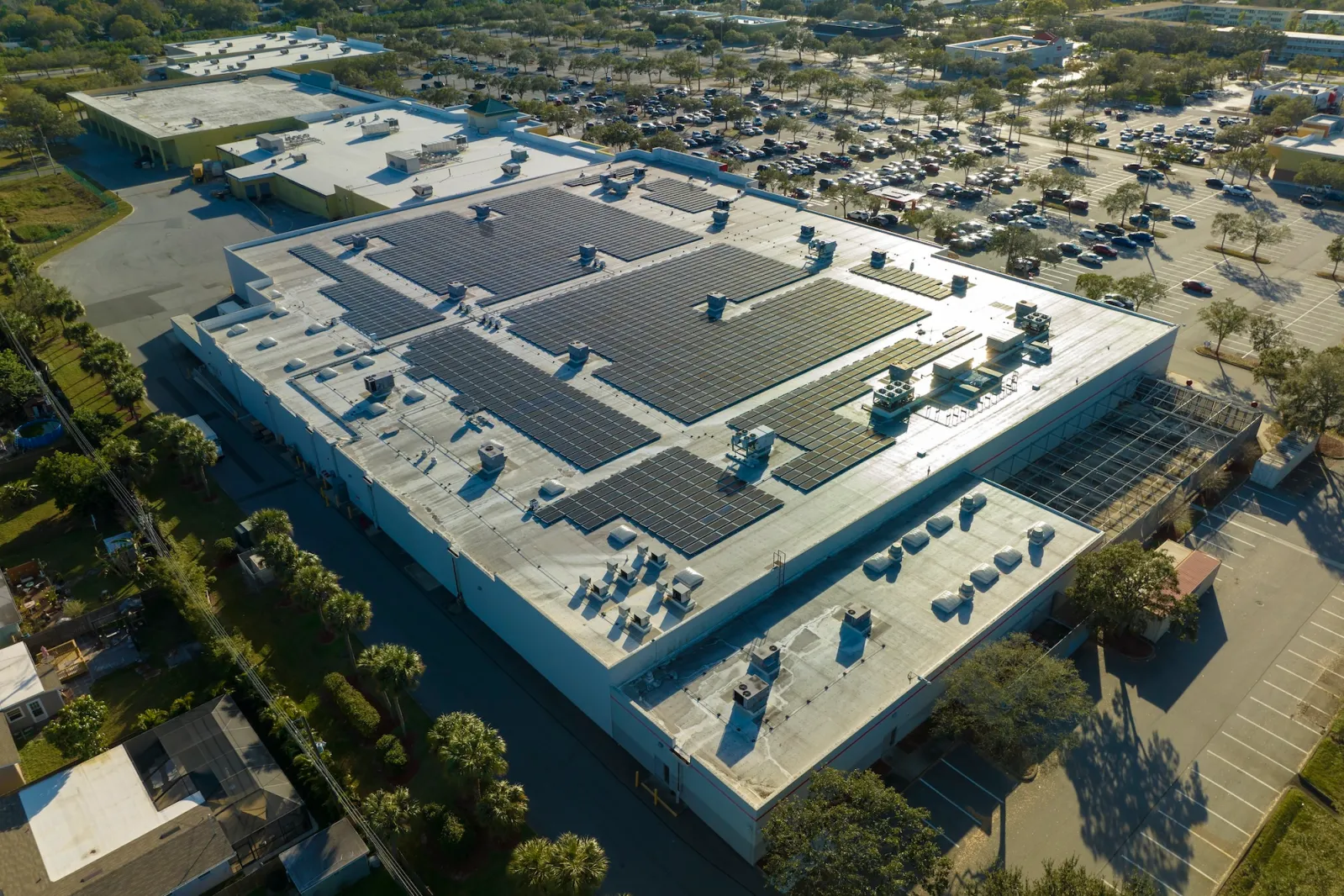
Rooftop solar arrays on tech campuses require coordination with the building's energy manager and the solar installer or O&M contractor before we remove or temporarily relocate panels. We do not work under or around solar panels without first confirming that the system is de-energized, documenting the panel removal and reinstallation sequence, and verifying that the reinstallation meets the original racking specification. Colorado's hail exposure means that any rooftop solar project also benefits from verifying that the new membrane system under the array is Class 4 rated - hail that reaches the deck level through gaps in panel coverage is the most common cause of localized membrane failure under solar arrays.
LEED, Energy Performance, and Rooftop Amenity Spaces
Many Colorado technology campuses hold LEED certification or operate under corporate sustainability commitments that specify reflective roofing, minimum R-value insulation stacks, or green roof components. We provide the energy code compliance documentation - IECC 2021 compliance records, reflectance and emittance values for the membrane - and can specify insulation stacks that support LEED Energy and Atmosphere credits. For tech campuses seeking to maintain or upgrade their LEED certification through a roofing replacement, we coordinate with the sustainability team's green building consultant to confirm the system specification meets the credit documentation requirements.
Rooftop terraces and amenity spaces - common on newer tech campuses in Boulder's 29th Street and Pearl Street corridors and Denver's RiNo and Platte River neighborhoods - create a finished-surface transition requirement at the perimeter of the terrace area. We detail the transition between the rooftop membrane and the terrace paver or hardscape system to prevent water infiltration at the interface, and we coordinate the terrace surface contractor's work sequence with our membrane installation so neither trade undermines the other's work.
Minimal-Disruption Scheduling for Tech Office Environments
Technology companies tend to run dense, high-occupancy office environments where noise, odor, and air quality disruptions from roofing work affect a large number of people simultaneously. Open-plan workspaces amplify odors from solvent-based adhesives and fresh membrane installations far more than enclosed private offices. We use low-VOC or water-based adhesive systems where the membrane specification permits it and schedule high-odor operations - solvent welds, adhesive applications - for early morning starts or after-hours windows when building occupancy is lowest.
Frequently asked questions
How do you handle rooftop satellite dishes and antenna equipment at tech campuses?
We treat every antenna mount and dish installation as a penetration that gets individually inventoried before production begins. Coordinate with the facility's IT or network operations team on which systems are on live traffic paths and which can tolerate a temporary shutdown or relocation window. Every antenna mount is re-flashed to manufacturer specification and documented at closeout with a photograph keyed to the roof zone diagram.
Can you coordinate roofing replacement with an existing rooftop solar array?
Yes. We coordinate panel removal and reinstallation with the building's solar installer or O&M contractor, confirm that the array is de-energized before any work begins in that zone, and document the panel removal sequence. We also recommend that the new membrane system under a solar array be specified to Class 4 impact resistance, because hail reaching the deck through gaps in panel coverage is the most common cause of localized failure under solar systems in Colorado.
Do you carry LEED documentation for the roofing systems you install?
Yes. We provide IECC 2021 compliance documentation, membrane reflectance and emittance values, and insulation R-value records for every installation. For campuses maintaining or upgrading LEED certification, we coordinate with the project's green building consultant on the specific documentation format the certification body requires.
How do you minimize odor disruption in high-occupancy open-plan tech offices?
We use low-VOC or water-based adhesive systems where the membrane specification permits, and we schedule high-odor operations - solvent welds, adhesive applications - for early-morning starts or after-hours windows when building occupancy is lowest. We are straightforward with facility managers about which operations cannot be made entirely odor-neutral and what scheduling approach minimizes the impact.
Technology campus roofing in Denver or Boulder?
Our project managers coordinate with real estate, sustainability, and IT infrastructure teams on tech campus roofing projects - from rooftop antenna coordination to LEED documentation to rooftop amenity space transitions.
| Scope Format | Written roof plan and photo record |
|---|---|
| Primary Market | Denver commercial buildings |