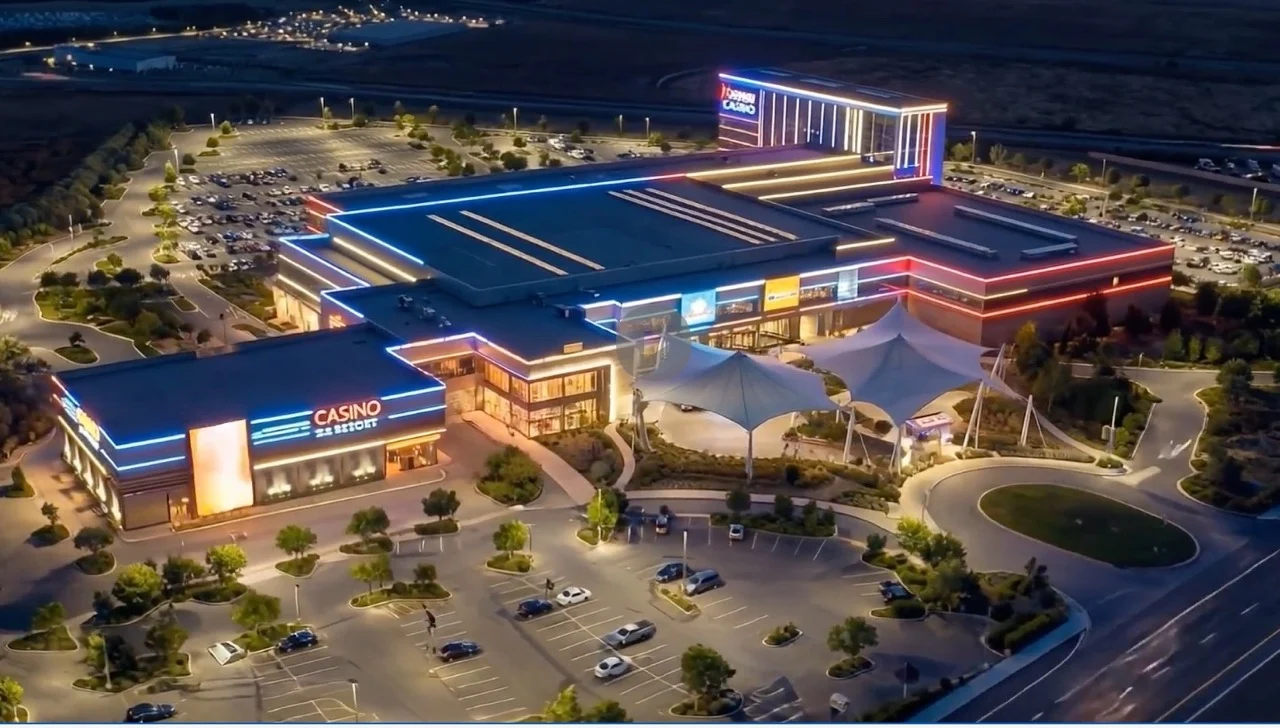
Bank & Financial Building Roofing in Denver, CO
Roofing for Denver banks and financial buildings - small high-visibility flat roofs, drive-through canopy flashing, security access coordination, and business-hours scheduling.
Bank roofs are small, but they are unforgiving. A branch along South Broadway, a credit union on Federal Boulevard, or a corporate banking floor in the Denver Tech Center sits on a modest flat roof that is in plain public view and over operations that cannot get wet - vaults, server rooms, and a lobby full of customers. Square footage is low, so the temptation is to treat it like any small commercial roof. The reality is the opposite: the penetration density is high, the canopy details are tricky, and a minor leak over the wrong room halts business the same morning it starts.
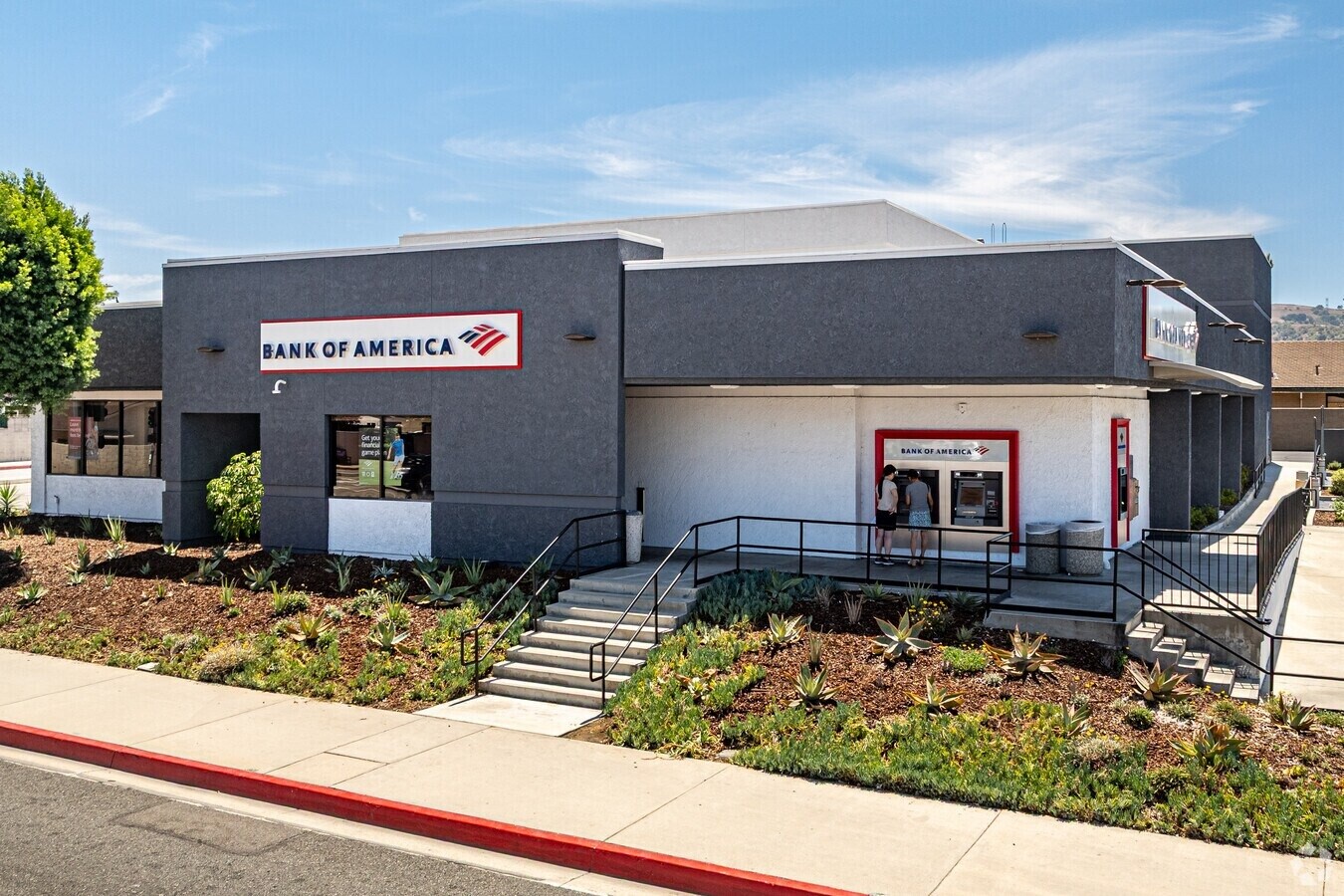
The roof above a branch carries more openings than the footprint suggests. Drive-through canopy transitions, ATM kiosk enclosures, a generator transfer-switch room venting through the roof, and precision air-conditioning units for the server room each create their own flashing requirement. And because these are high-visibility buildings on busy Denver corners, the parapet edges, coping, and rooftop equipment screens are part of the brand image - sloppy edge metal or a stained membrane visible from the street reflects on the institution, so the finish work matters as much as the watertightness.
The drive-through canopy is where banks leak
On a retail branch, the single most common chronic leak is the drive-through canopy-to-building transition, and it is almost never fixed by replacing the field membrane. That joint cycles through Denver's hard temperature swings, takes overspray and runoff at the teller lanes, and moves with differential settlement between the canopy structure and the main building. Standard retail flashing details are not built for that long-term movement. We treat the canopy transition as its own line item, evaluate it separately, and re-flash it with a detail designed for the movement these connections actually see - otherwise the new roof leaks in the same spot the old one did.
- Small high-visibility flat roofs do well on 60-mil TPO or PVC, with clean, tightly detailed edge metal because the parapet line is on public display.
- Server-room and precision-cooling curbs get individually flashed and verified to manufacturer curb-height requirements, since a leak over the IT room is a business-down event, not a maintenance ticket.
- Drive-through canopies and ATM kiosk enclosures are scoped as discrete flashing items, not folded into the field membrane.
Security shapes the schedule more than the membrane
Access requirements drive a bank project more than almost any other property type. Contractor badging, escorts for vault-adjacent areas, and security-camera documentation of crew activity are standard at bank-owned properties around Denver. We build the security-coordination timeline and crew-credentialing requirements into the bid schedule up front so they are not surprises that add cost after the contract is signed. Before mobilizing we identify vault and server-room locations from the building drawings, sequence work over those zones into approved windows, and confirm with the security team that no active vault operation is affected by vibration or a temporary change in roof access.
Working around banking hours
Branches generally run Monday through Saturday with sensitive operations underneath, so we concentrate active tear-off and installation into off-hours and weekends and confirm daily dry-in before the doors open each morning. We coordinate work windows, noise limits during customer-service hours, and any escort requirements with the branch manager and the corporate facilities team. The goal is a roof that gets replaced without a customer ever noticing the building was under construction.
Hail, snow, and a small roof in plain view
A branch roof is small enough that owners forget it sits in the same Front Range hail belt as every big-box and warehouse in the metro, and small roofs take the same stones. Because a bank is a high-visibility building on a busy corner, hail damage shows up in two ways - as bruising and splits in the membrane, and as dented coping, edge metal, and equipment screens that the public sees from the street. We spec impact-resistant cover board on branch reroofs for the same reason we do on a warehouse, and we document hail-related damage thoroughly because financial institutions often route roof damage through a corporate insurance program that wants photographed, dated evidence. The other Denver reality on a small flat roof is freeze-thaw: a modest roof that ponds because the drains sit slightly high will pool meltwater that refreezes overnight, and that cycle works water into seams and parapet details fast. We correct slope to the existing drains, keep them clear, and detail the parapet and coping so the most visible edges on the building stay both watertight and clean.
Portfolio programs and community banks
Financial institutions in Denver tend to own multiple branches or run under a corporate real estate structure with centralized facilities management. Chain bank programs come with preferred-vendor processes, standardized scope documentation, and national-account pricing frameworks, and we work inside those for portfolio accounts. We also work directly with the community banks and credit unions managing individual properties around the metro. Either way the documentation is built for the institution: insurance certificates and license verification before mobilization, a pre-construction safety plan, daily work and dry-in reports, manufacturer warranty registration in the owner's name, and a final permit and inspection package.
Frequently asked questions
How do you schedule roofing around bank operating hours?
We concentrate active tear-off and installation into off-hours and weekends, confirm daily dry-in before business opens each morning, and coordinate work windows, noise limits during customer-service hours, and any security escort requirements with the branch manager and corporate facilities team.
How do you handle the drive-through canopy connection?
The canopy-to-building transition is treated as its own flashing item, evaluated separately from the field membrane, and re-flashed with a detail designed for the differential movement these connections experience. This is the most common source of chronic branch leaks, and it is never solved by replacing the field membrane alone.
Can you work over active vaults and server rooms?
Yes. We locate vault and server-room areas from the building drawings before mobilizing, sequence work over those zones into approved windows, and confirm with the security team that vibration or temporary access changes do not affect active operations.
Do you handle multi-site bank roofing programs?
We do. Whether it is a regional bank with twenty branches or a national institution with locations across Colorado, we provide standardized scoping, documentation, and pricing across the portfolio with a single project-management contact for the corporate facilities team.
If you own or manage a bank or financial building in the Denver area, we will document every penetration, evaluate your drive-through canopy connections, work within your security and vendor processes, and deliver a written scope priced for the institution. Request a roof report to get started.
| Scope Format | Written roof plan and photo record |
|---|---|
| Primary Market | Denver commercial buildings |