Mixed-Use Development Roofing in Denver, CO
Roofing and waterproofing for Denver mixed-use developments - podium decks, amenity terraces, combined retail and multifamily roof areas, and warranty coordination.
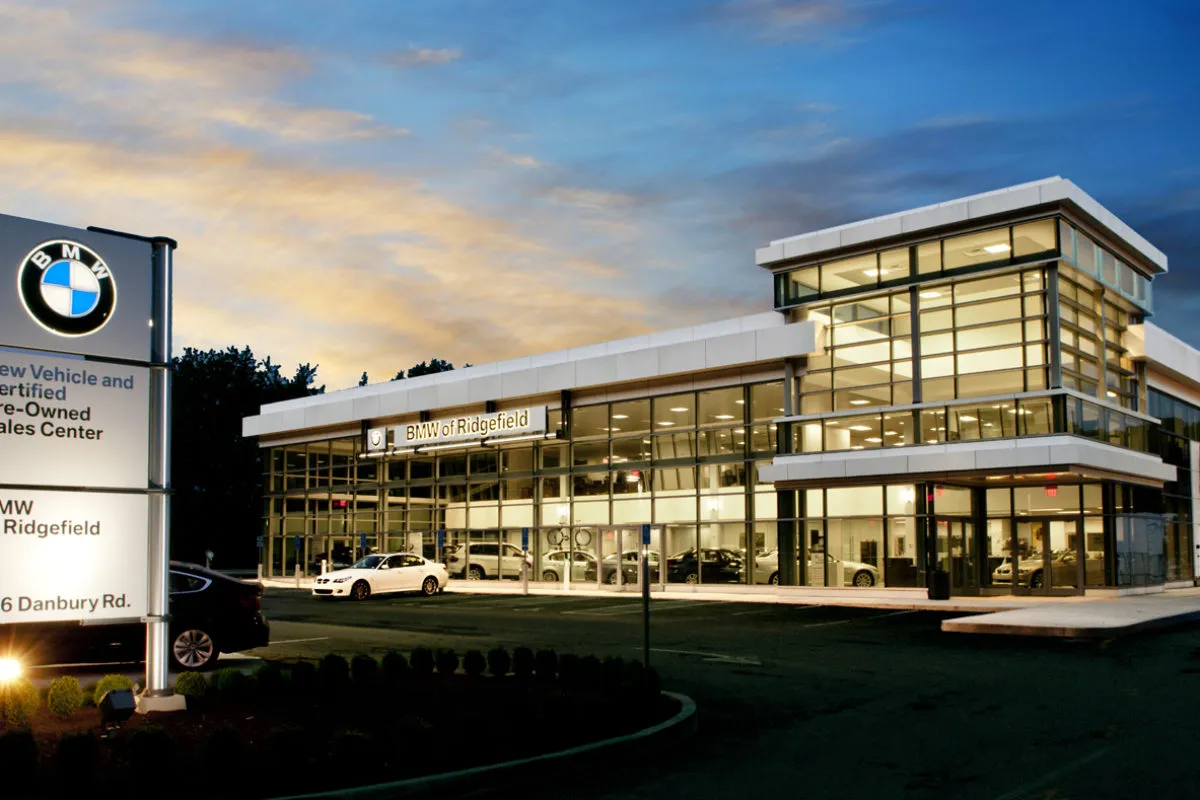
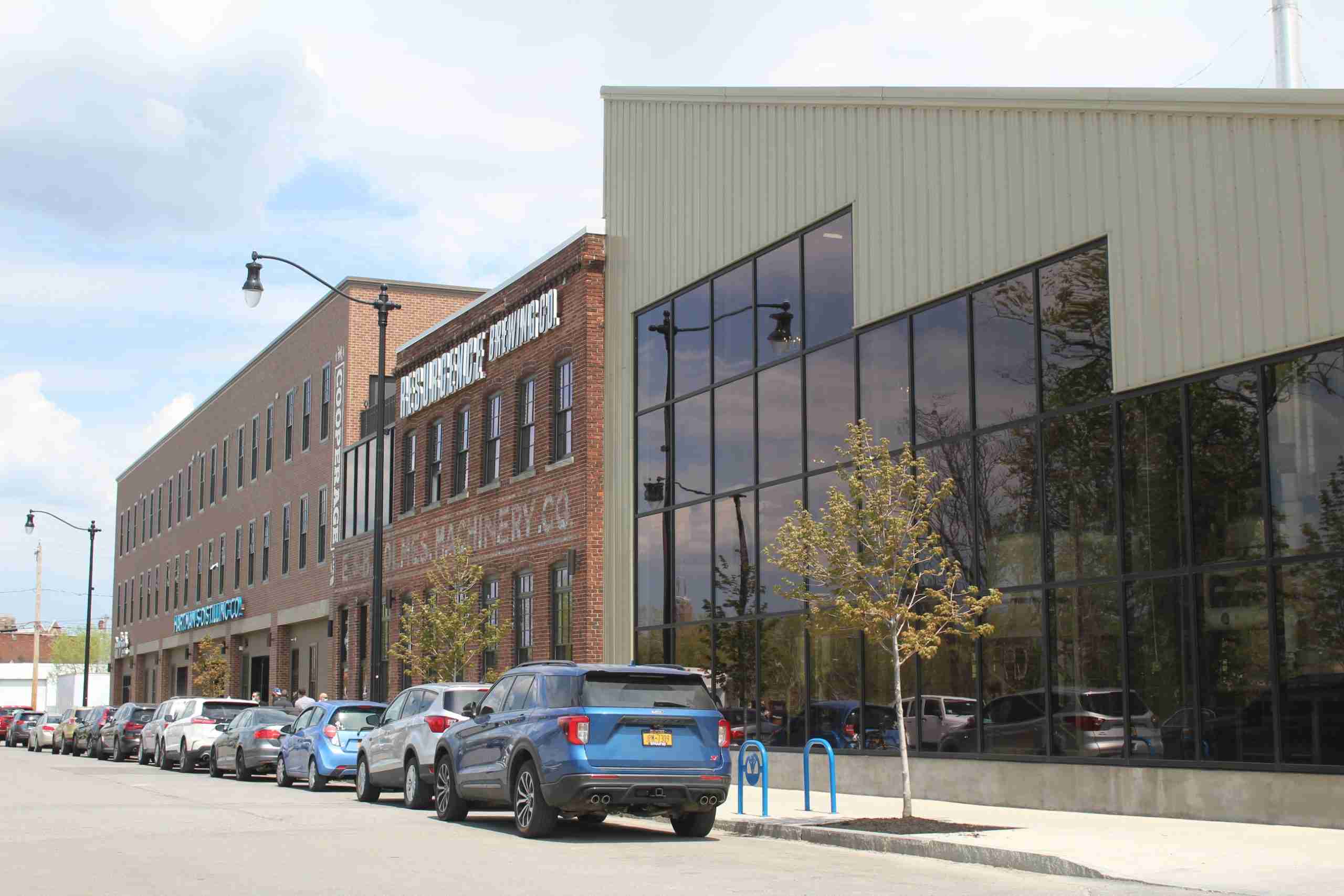
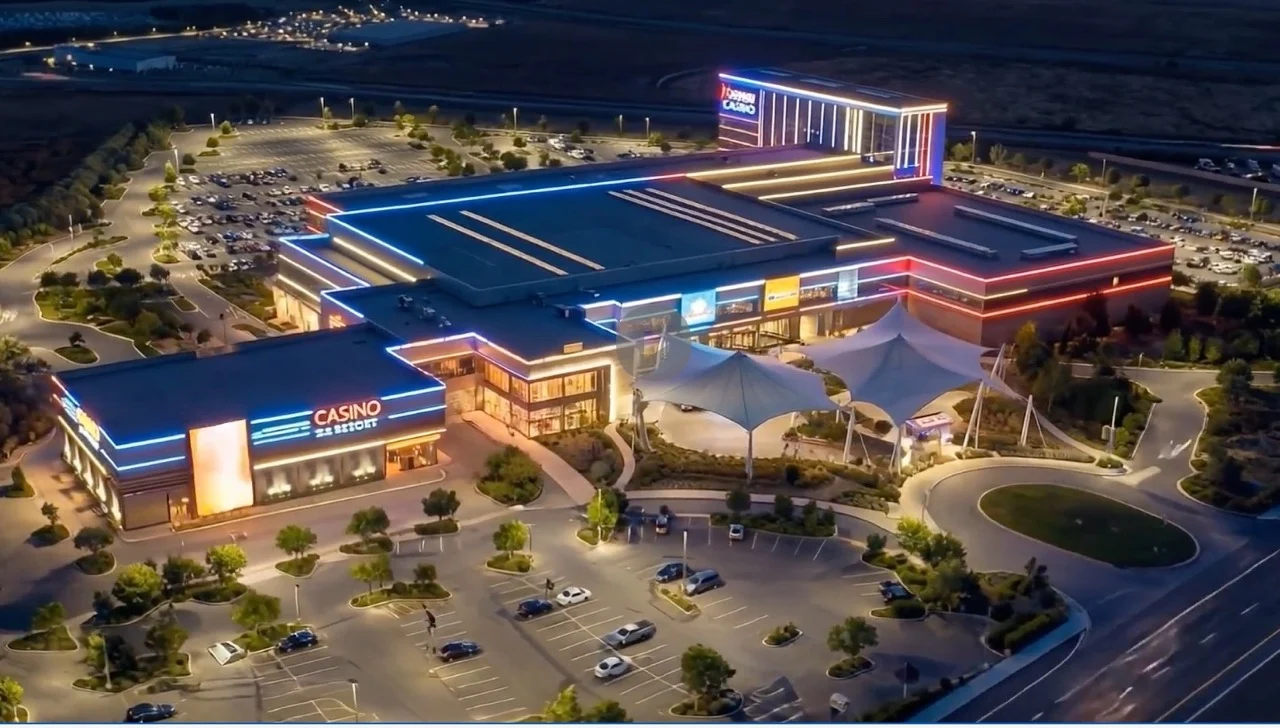
A mixed-use building is not one roof - it is several roof and waterproofing systems stacked in one structure, each answering to a different use below it. Walk a project in RiNo, along the Union Station rail corridor, or out in Central Park where the old Stapleton airfield became neighborhoods, and you will find ground-floor retail, office floors, multifamily at the top, and parking woven into the base. Each of those uses brings its own occupancy schedule, mechanical loads, warranty terms, and liability if water gets in. Getting the scope right means reading the building vertically, not treating the top as a single flat plane.
The biggest distinction owners miss is podium versus roof. The deck between parking or retail at grade and the multifamily or office above is not standard flat roofing - it is podium waterproofing, and it is a different trade with different products. A podium deck takes structural deflection, root intrusion from planters, constant hydrostatic pressure under landscaped areas, and pedestrian or even vehicle traffic depending on its use. We specify traffic-bearing membranes, drainage composites, and root barriers there, coordinated with the structural engineer on the insulation load path. Dropping a standard roofing membrane onto a plaza or amenity deck is the wrong spec, and it typically fails inside five years.
The roof areas that share one building
On a Denver mixed-use project we are usually managing several distinct assemblies at once, and the value is in keeping them coordinated rather than treating them as separate jobs:
- Low-slope membrane over the office and retail volumes, where commercial flat-roof systems and cool-roof energy compliance apply.
- Podium and plaza waterproofing over occupied or landscaped grade-level decks, engineered for traffic and planting loads.
- Upper-floor multifamily roofing with parapet drainage, mechanical penthouse flash-through details, and the elevator overrun and mechanical-room enclosures that punctuate the top of a tower.
- Rooftop amenity terraces - common on mid-rise and high-rise mixed-use here - which require a traffic-bearing waterproofing assembly under the finish surface, never a bare roofing membrane.
Warranty coordination is the real deliverable
The hardest administrative part of mixed-use roofing is keeping the warranties straight when one building carries three or four different assemblies, sometimes from different manufacturers. A multifamily lender, a retail tenant, and a condo association can each hold a stake in a different portion of the same roof. We map which manufacturer warranty covers which area, make sure the NDL coverage is registered in the correct owner's name at closeout, and confirm that the transitions where one system meets another are detailed so neither manufacturer can disclaim the joint. That coordination is exactly where mixed-use projects go sideways years later, and it is what we build into the submittal package from the start.
Working over occupied retail and residents
Most mixed-use work in Denver's urban core happens over a building that is already full. That means a real phasing plan, not just a crew showing up. We develop noise, vibration, and dust-containment plans before mobilizing, because city noise ordinances govern working hours and residents are home at the times retail is busiest. Daily dry-in is confirmed in writing before each work day ends. Elevator and common-area access is coordinated with building management so we are not crossing paths with residents and retail customers. We do not demobilize at the end of a day unless the work area is watertight - over occupied units, that discipline is the whole job.
Drainage and weather across stacked roof areas
Denver's weather complicates a mixed-use building precisely because the roof areas sit at different levels. Snow and meltwater coming off a multifamily tower can dump onto a lower office roof or a podium terrace below it, concentrating runoff in places the lower assembly was never sized to take. We look at the whole building section when we plan drainage, not each roof in isolation - where an upper roof discharges onto a lower one, we confirm the lower drains and overflow scuppers can handle the combined load and that the splash zone is reinforced. The Front Range hail season adds the same concern every other Denver roof faces, so impact-resistant cover board is baseline on the membrane areas, and on amenity terraces the pavers and finish surface have to be detailed so hail and freeze-thaw do not work water down past the traffic-bearing membrane. Planter drainage on landscaped podium decks gets particular attention, because a planter that holds water against the waterproofing through a freeze is a slow leak that surfaces in the parking or retail space directly below.
Built for the full project team
Mixed-use roofing rarely involves just an owner and a roofer. We coordinate with the general contractor, the MEP subs, the structural engineer, and the building-envelope consultant at the same time, and we work inside the submittal process, the waterproofing mock-up requirements, and the testing protocols that architects and owners specify on these projects. Construction lenders and developers typically require architect-reviewed submittals, manufacturer technical approval of the specified systems, mock-up testing before full installation, quality-control inspection reports, manufacturer rep inspections at critical phases, and NDL warranty registration at closeout. We run inside that framework from pre-construction through final inspection.
Frequently asked questions
What is the difference between roofing and waterproofing on a podium deck?
Roofing membranes are built for low-slope drainage and light maintenance traffic. Podium waterproofing has to handle structural deflection, root intrusion from landscaping, constant hydrostatic pressure in planters, and pedestrian or vehicle traffic. Using a standard roofing membrane on a plaza or amenity deck is an incorrect specification that usually fails within five years.
How do you coordinate work over occupied multifamily and retail space?
We build a phasing plan that sequences work to minimize impact on residents and retail operations, develop noise, vibration, and dust-containment plans before mobilizing, confirm daily dry-in in writing, and coordinate elevator and common-area access with building management.
Do you handle rooftop amenity decks?
Yes. Amenity terraces require a traffic-bearing waterproofing assembly beneath the finish surface, which we specify, install, and warranty in coordination with the deck-finish contractor and the structural engineer of record.
How do you keep the warranties straight across different roof areas?
We map which manufacturer warranty covers which portion of the building, register NDL coverage in the correct owner's name at closeout, and detail the transitions where one system meets another so no manufacturer can disclaim the joint. On a building with three or four assemblies, that coordination is the part that protects the owner long-term.
If you are developing or managing a mixed-use project in the Denver area, we will inventory every roof and waterproofing area, coordinate with your project team and consultants, and deliver a written scope that keeps the systems and their warranties in order. Request a roof report to get started.
| Scope Format | Written roof plan and photo record |
|---|---|
| Primary Market | Denver commercial buildings |