Resident Communication and Unit Protection
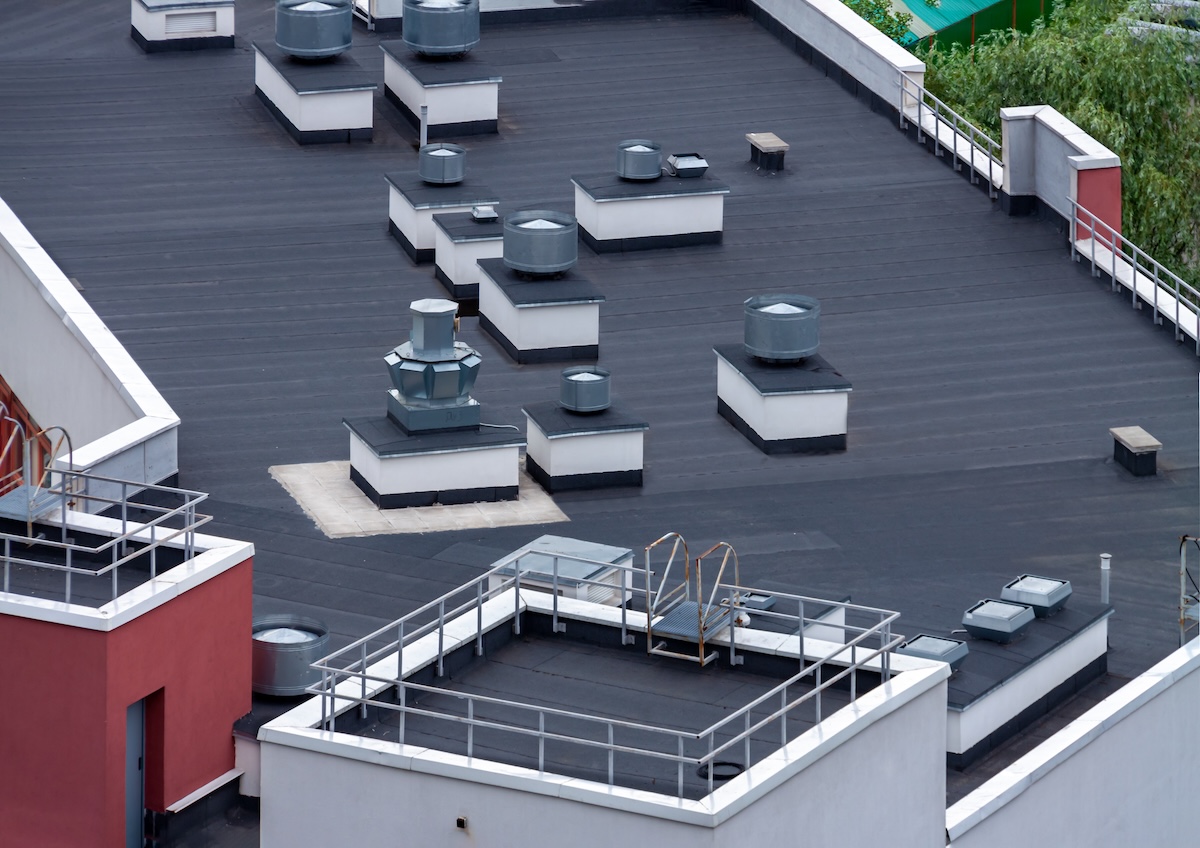
Commercial roofing for Denver multifamily buildings - LoDo lofts, Cherry Creek mid-rise, Highlands Ranch garden apartments, and Stapleton/Central Park mixed-use multifamily.
LoDo's adaptive-reuse loft buildings, Cherry Creek's mid-rise multifamily towers, Highlands Ranch garden-style communities, and Stapleton/Central Park's planned mixed-use multifamily represent four distinct multifamily roofing environments across the Denver metro. Resident communication, occupied-unit protection, and phased production are the operational constraints that define this property type.
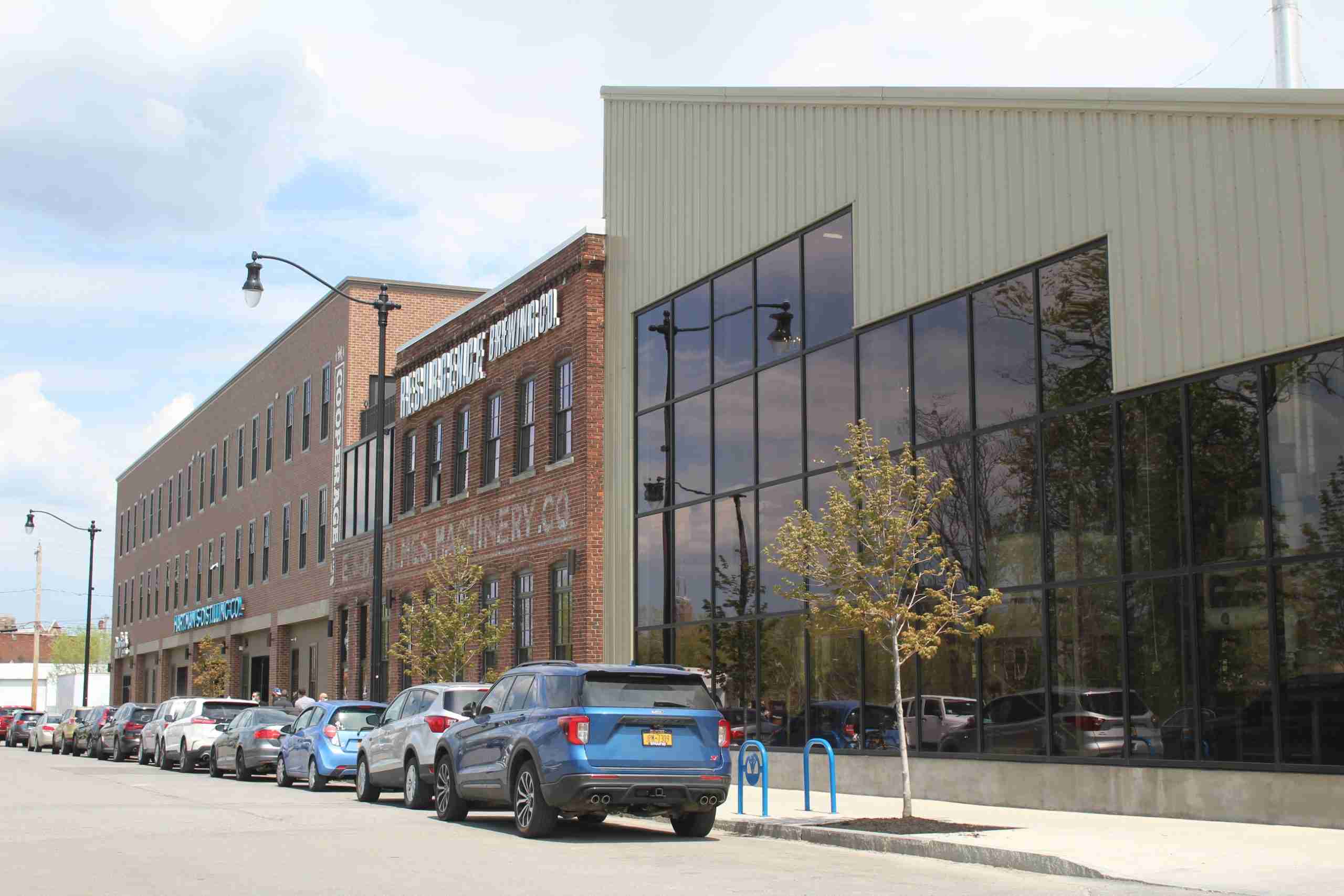
Denver's multifamily roofing inventory spans building types and construction eras that each present different technical and operational challenges. LoDo's loft conversions - former warehouse and industrial buildings repurposed as multifamily in the Union Station and Blake Street redevelopment areas - carry the original metal deck and parapet conditions of 1890s through 1940s commercial construction underneath multifamily occupancies that came decades later. The membrane systems on these buildings tend to be irregular in configuration, with rooftop decks, common areas, and equipment penetration layouts that reflect multiple renovation phases.
Cherry Creek's mid-rise multifamily towers - the 6-to-14-story buildings between East 1st and East 3rd avenues in Cherry Creek North - are a more recent generation, most built in the 2000s and 2010s, and are entering first major maintenance cycles on their original single-ply systems. The building owner associations that govern condominium buildings in this district require board approval and resident notification before any major work begins, which adds pre-construction lead time beyond a standard commercial project.
Highlands Ranch's garden-style apartment communities - two- and three-story wood-frame buildings on pitched roofs with commercial flat-deck sections at the podium level - are the high-volume suburban end of our multifamily portfolio. Douglas County's hail exposure means these roofs take regular hits, and the apartment management companies that own large portfolios across Highlands Ranch, Lone Tree, and Parker need post-hail documentation and repair response that is consistent across dozens of properties. The Stapleton and Central Park communities northeast of downtown, built through the 2000s and 2010s on former Denver Stapleton Airport land, represent a newer multifamily generation now approaching first major maintenance milestones on their flat-deck and low-slope sections.
Multifamily roofing produces the highest resident-communication burden of any property type we work on. A 200-unit mid-rise in Cherry Creek has 200 households whose sleep, work-from-home environment, and daily routine are affected by the production schedule above them. We provide a written resident communication package as part of our pre-construction deliverable: a plain-language project summary, a production schedule in lay terms, contact information for the on-site project manager, and a noise and disruption window schedule. This package goes to building management for distribution before mobilization, not after the first complaint arrives.
Occupied-unit protection on LoDo loft buildings and Stapleton mixed-use multifamily includes ceiling protection inside the top-floor units directly below tear-off areas - poly sheeting over furniture and flooring in the event a seam or penetration is temporarily opened during demolition. We document the protection setup with photos before each section begins and remove it after the new membrane is dry-in on that section. For condominium buildings where individual owners, not a management company, occupy the units below, we coordinate unit-by-unit access for protection installation directly with the HOA manager.
HOA board approval processes in Cherry Creek condominium buildings can run 30 to 60 days from first presentation to contract authorization. We provide a board presentation package - project summary, specification, schedule, and visual mock-up of the membrane color and cap flashing if it affects the building exterior - so that the board has what it needs to vote in a single meeting rather than tabling for additional information.
LoDo Loft and Adaptive-Reuse Building Conditions
The LoDo loft buildings along Blake Street, Wazee Street, and the Union Station adjacencies were built as warehouse and light-industrial facilities before their multifamily conversion. The original masonry parapet walls on these buildings - unreinforced brick in many cases - have experienced decades of freeze-thaw movement that affects flashing termination conditions at the parapet cap. We assess parapet condition during our pre-construction inspection walk and flag any areas where masonry repair or stabilization should precede flashing installation. Installing new counter-flashing into a parapet with failing mortar joints is not a sound detail, and we do not do it.
Rooftop deck and common area programming on LoDo lofts adds access coordination requirements. Buildings with active rooftop decks - which many LoDo loft conversions have - require production sequencing that phases work away from the deck area during warm-weather months when resident use is heaviest. May through September production on buildings with rooftop programming is planned in sections that preserve deck access throughout the replacement cycle, with the deck section last.
Hail Response for Highlands Ranch and Douglas County Portfolios
Highlands Ranch and the southern Douglas County apartment corridors sit in a documented hail path that runs along the I-25 Front Range from Denver south toward Pueblo. The 2023 and 2024 hail seasons each produced verified events across Douglas County that affected multiple apartment communities on the same afternoon. Portfolio apartment management companies - those with 10 or more buildings across Highlands Ranch, Lone Tree, Parker, and Castle Rock - need coordinated post-hail response that generates consistent documentation across every affected property in a single assessment cycle.
After a documented NOAA-verified hail event, we can mobilize a coordinated assessment team across portfolio properties within 72 to 96 hours. Each property receives a standardized condition report: photo log, zone diagram, hail density map keyed to the roof area, and a written scope distinguishing event-related from pre-existing. The portfolio report package can be formatted for your property management software or insurance adjuster's requirements on request.
Frequently asked questions
How do you manage noise and disruption for residents during a multifamily reroof?
Resident communication package distributed before mobilization, production windows identified in the schedule to minimize early-morning noise on occupied floors, same-day communication to building management when the day's scope changes, and a project manager direct contact available to building management throughout production. We document the complaint response process in the pre-construction meeting so building management knows what to expect.
How do you handle HOA board approval for Cherry Creek condominium buildings?
We provide a board presentation package - project summary, specification, schedule, membrane color and cap flashing visual if relevant to exterior appearance - so the board can vote in a single meeting. Lead time from first presentation to authorization typically runs 30 to 60 days in Cherry Creek condominium associations. We build that into our pre-construction schedule from the first contact.
Do you work on LoDo loft buildings with rooftop common areas?
Yes. Production phasing on LoDo buildings with rooftop decks preserves deck access during warm-weather months by sequencing work away from the deck area first. Parapet masonry condition on original Union Station-era warehouse conversions is assessed during pre-construction, and any masonry repair is scoped before flashing installation begins.
Do you provide coordinated post-hail response for Highlands Ranch apartment portfolios?
Yes. We can mobilize a coordinated assessment team across portfolio properties within 72 to 96 hours of a documented NOAA-verified event, producing a standardized condition report for each property in the format your property manager or insurer requires. Douglas County's documented hail exposure makes consistent portfolio documentation more valuable than individually contracted assessments from different contractors.
Multifamily roof scope for your Denver property?
| Scope Format | Written roof plan and photo record |
|---|---|
| Primary Market | Denver commercial buildings |