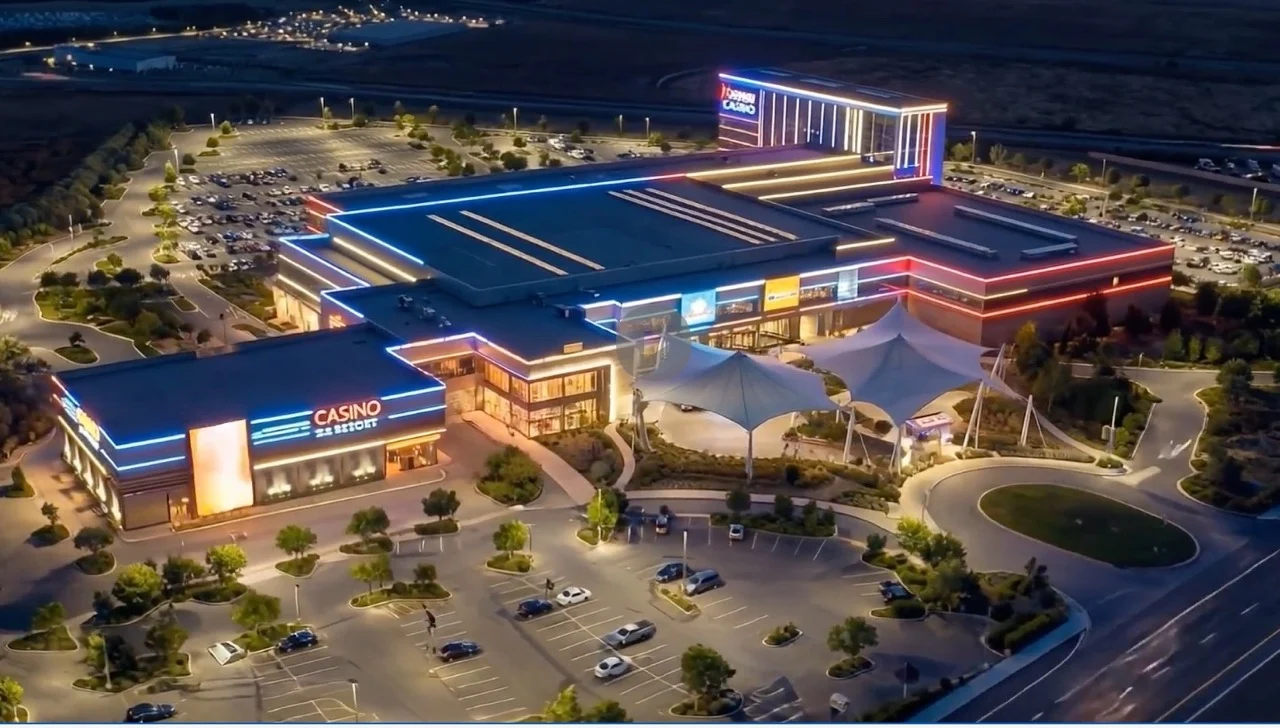
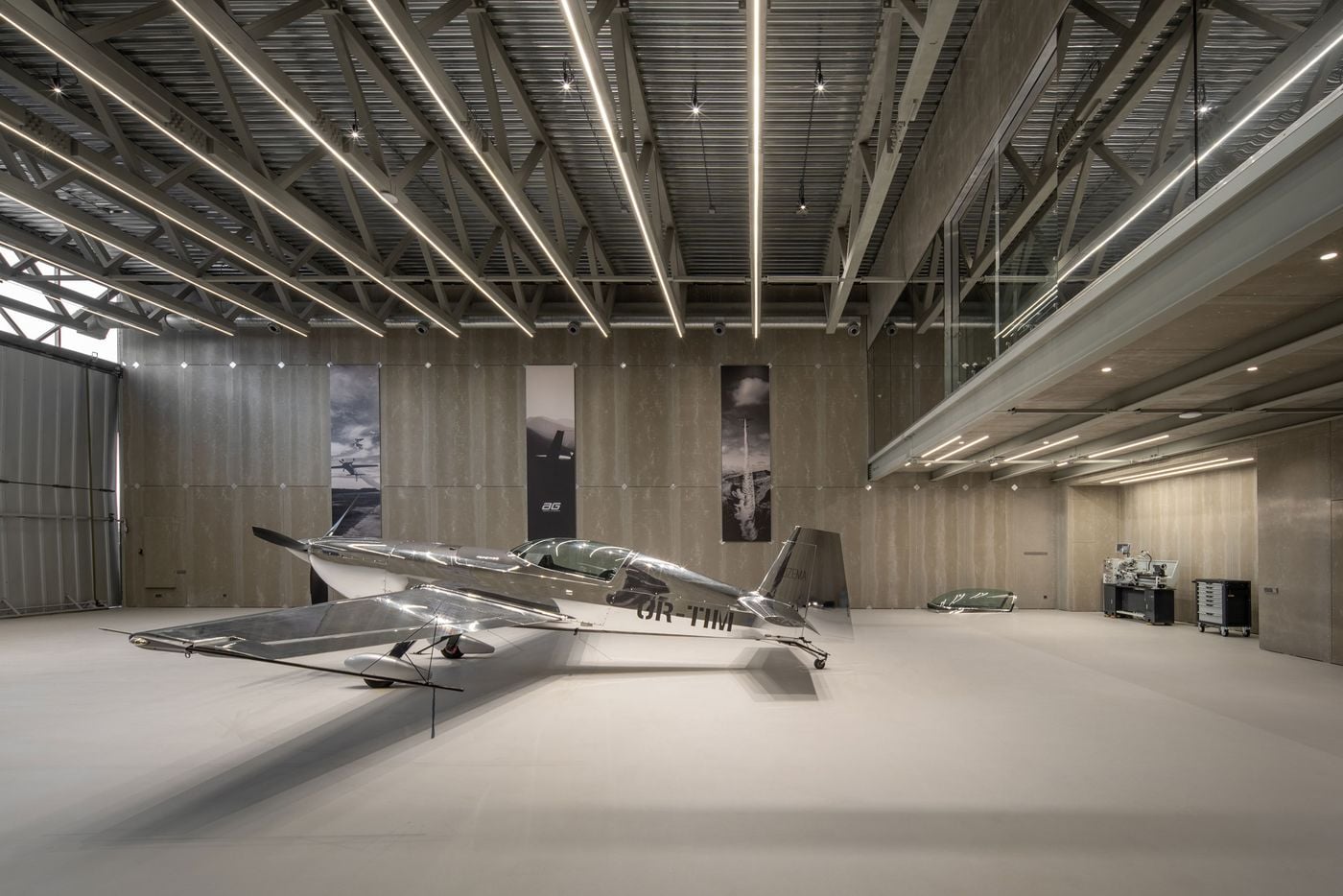
Big open spans and wet air make recreation roofs their own problem
Roofing for Denver-area rec centers, gyms, ice arenas, and natatoriums.
Recreation buildings ask two hard things of a roof at the same time. They are based on large, column-free spaces - gymnasiums, field houses, ice sheets, and pool halls - so the roof structure spans long distances and deflects and moves more than a compartmentalized building does. And they are full of people generating heat and moisture, which means the air inside is warm and humid in ways that punish a roof assembly if the vapor control is wrong. A community gym packed for a weekend tournament and a natatorium running at swim-meet capacity are not the same engineering problem as an office, and the roof can't be specified as if they were.
The Denver metro is dense with these facilities. The city and the surrounding municipalities - Aurora, Lakewood, Westminster, Arvada, and the recreation districts in the south suburbs - operate a large stock of public rec centers, aquatic complexes, and ice arenas, many built in waves that are now hitting reroof age. University athletics add more, from the field houses and arenas around the University of Denver and Metropolitan State to club and training facilities scattered across the metro. Private gyms, climbing centers, and indoor sports venues round out a category that keeps us busy.
Clear-span roofs move, and the assembly has to allow for it
A gymnasium or arena roof carrying an 80-foot span behaves differently from a 30-foot bay over a locker wing. The deflection under snow load, the wind uplift across a large unbroken surface, and the way the deck flexes all feed into how we specify attachment and detail the seams. Denver's snow loading and the open-terrain wind exposure on the metro's edges make this a real calculation, not a default. We evaluate the deck type and the actual span before we settle on a fastening pattern, because the pull-out values that hold a membrane down at one span are not the values you need at another.
Altitude quietly raises the stakes on the mechanical side. High-occupancy spaces at Denver's elevation need aggressive ventilation and large rooftop air handling to move enough air, which means heavy, numerous units and a lot of penetrations on roofs that are already flexing. Those curbs have to be detailed to tolerate movement without opening up.
Natatoriums are the hardest roof in the category
If a recreation complex has a pool, the pool hall is the part we worry about most. Chlorine reacting with the organic load swimmers bring in produces chloramine gas, and chloramine is corrosive - it attacks ordinary metal flashing, some edge metals, and certain adhesive chemistries, and it rides the warm humid air straight up into the roof assembly. A natatorium roof that was detailed like a normal building corrodes and saturates from the inside, and the failure can be well advanced before anyone sees a stain on the ceiling.
Over a pool we specify corrosion-resistant flashing materials in the exposed areas, confirm the membrane and adhesives against the manufacturer's chemical-resistance data, and pay as much attention to the vapor retarder and the ventilation path as to the surface membrane. The goal is an assembly that exhausts moisture and chloramine to the outside and stays dry inside, rather than one that traps the worst air in the building right against the steel.
Programming runs nights, weekends, and holidays
The scheduling reality of recreation work is that the building is busiest exactly when other commercial roofs sit empty. We plan around the programming calendar the facility gives us: gym and arena roof work concentrated in weekday daytime hours with dry-in confirmed before evening leagues and lessons start, and any pool-hall HVAC or exhaust work coordinated with the aquatics staff so we never disrupt the air exchange over an occupied pool.
Daylighting, sound, and the things on the roof you don't see from the floor
Recreation roofs carry features that complicate the work in ways a plain commercial deck does not. Field houses and gyms are often daylit through skylights or translucent panels, and those units are notorious leak points that need their own curb and flashing detail and, frequently, replacement at the same time as the membrane. Arenas and pool halls also fight noise, and acoustic and insulation layers in the assembly have to be kept intact and dry through the work or the room's sound and comfort suffer along with its weather resistance. We inventory the skylights, the sound and insulation layers, and the roof-mounted scoreboards, rigging, and equipment supports during the survey so none of them becomes a surprise mid-project.
Snow is the other Front Range variable that hits these buildings hard. A large gym or arena roof collects and drifts snow across a wide surface, and the drainage and the structural loading have to account for it. We look at how each roof sheds and where snow piles against parapets and equipment, and we design drainage and detail those high-load areas to handle a heavy Colorado winter rather than an average one.
Public ownership shapes how the work gets contracted
Many of these buildings are public, and that changes the path to a contract as much as it changes the roof. Municipal rec centers, district facilities, and school gymnasiums typically come with public bid advertising, bid and performance bonding, and prevailing-wage requirements. We carry the bonding and insurance for public work in Colorado and handle the documentation these contracts demand, so a recreation district or a city facilities team is not managing the paperwork alone.
- Deck evaluation and span-specific fastening for long clear-span gym and arena roofs
- Corrosion-resistant flashing and a dry-assembly strategy for natatoriums and high-humidity spaces
- Vapor and moisture survey before any recover decision on a pool or field-house roof
- Phasing matched to the programming calendar, with daily dry-in ahead of evening use
- Bonding, insurance, and documentation for public and institutional contracts
Let us look at it before the next tournament season
The recreation roofs that age well are the ones where the humidity and the spans were respected up front and the assembly was kept dry. If you manage a rec center, an aquatic facility, an ice arena, or an indoor sports venue anywhere in the Denver area, we can assess the structure, the vapor conditions, and the mechanical penetrations, tell you honestly whether you are looking at maintenance, recover, or replacement, and schedule the work around your programming so the doors stay open.
| Scope Format | Written roof plan and photo record |
|---|---|
| Primary Market | Denver commercial buildings |