Frequently asked questions
Commercial roofing for auto dealerships, car lots, service centers, and automotive facilities throughout Denver, CO.
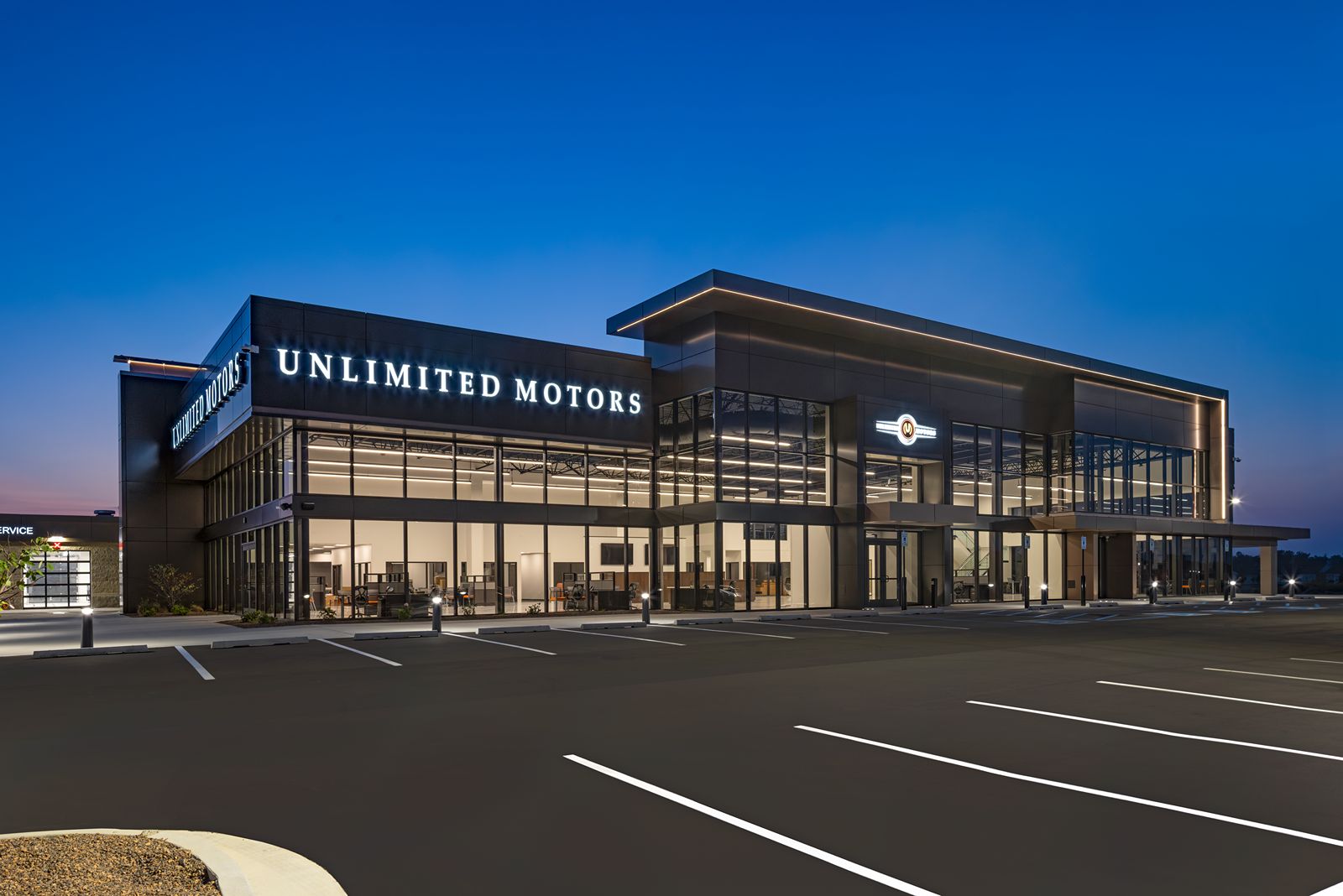
Stevinson Automotive operates multiple franchises across the Denver metro, including Toyota, Chevrolet, and Lexus locations in Lakewood and the surrounding area that represent some of the highest-volume dealerships on Colorado's Front Range. Denver's auto dealership roofing environment is defined by two competing demands: the intense hail that makes the Front Range one of the most hail-damaged commercial roofing markets in the nation, and the OEM facility standards that require dealerships to maintain showroom-quality building appearance regardless of what the Colorado weather delivers. Managing both simultaneously requires a roofing program that combines the best available impact-resistant systems with a proactive maintenance relationship that restores the facility to proper condition after every significant weather event.
Hail claims on Denver area dealership properties are among the most expensive commercial roofing insurance events in the Colorado market. The combination of large flat roof areas on showrooms and service buildings, high-value inventory below those roofs, and the documented frequency of large-hail events on the Front Range creates a risk profile that every Denver dealership operator understands firsthand. Insurance carriers writing commercial property coverage in the Denver market increasingly require documentation of roof condition and age before renewing policies, and some have begun requiring impact-resistant Class 4 roofing systems as a policy condition for continued hail coverage at competitive rates.
Colorado's UV intensity at 5,280 feet of elevation accelerates membrane aging significantly compared to lower-elevation markets. Dealership roofing systems that might deliver 20 years of service in other climates may see 15 years as a more realistic expectation in Denver's UV-intense environment. This means that re-roofing planning cycles need to be shorter than national average assumptions might suggest, and that membrane specifications should include enhanced UV stabilization where available. The cost of slightly heavier or higher-grade membrane products is a small fraction of the cost differential between replacing a roof on a planned schedule and addressing an unexpected failure that disrupts dealership operations.
Service bay skylights at Denver dealerships face the combined stresses of intense hail impact and dramatic temperature swings. Colorado's Front Range can see temperature changes of 40 or more degrees within a few hours as frontal systems pass, and the thermal stress this creates in skylight assemblies - expanding and contracting curb frames, gaskets, and panel materials at different rates - can open seal failures over time. Hail-rated polycarbonate or laminated glass skylight specifications are the standard in Denver dealership construction, and annual inspection of skylight perimeter details is essential maintenance in Colorado's demanding climate.
Service drive canopies in Denver experience some of the most challenging weather conditions in the American automotive retail landscape. The canopy is fully exposed to hail impact without the adjacent building mass that provides some protection for main roof sections, and the combination of hail stress and Colorado's intense UV environment ages canopy systems faster than comparable structures in most other markets. Canopy panel systems specified for Denver dealerships should carry explicit hail resistance ratings, and the structural supports should be designed for the snow loads that Colorado springs deliver on top of the hail damage that may have already weakened panel integrity.
Occupied dealership operations in Denver require careful scheduling around both business hours and the unpredictable Front Range weather patterns. Roofing work cannot proceed during hail or heavy rain events, and the Front Range's afternoon convective storms during summer months can arrive with little warning, forcing work stoppages that need to be factored into project schedules. Experienced Denver dealership roofing contractors build weather day contingencies into their project plans and maintain communication with facility management teams about daily weather forecasts so that work progression and customer disruption management can be coordinated accordingly.
Energy performance for Denver dealership roofing reflects the Front Range's significant heating season demands alongside meaningful cooling loads. Colorado's semi-arid climate produces cold winters that place real demands on showroom heating systems, and the intense summer sun creates cooling loads despite relatively low humidity. Insulation specifications targeting R-30 for showrooms and service buildings are appropriate for Denver's climate zone 5 designation, and the combination of high insulation and cool-roof membranes produces the energy performance that both building code and dealership operating economics require.
The snow load management that Colorado's spring storms create for Denver dealership roofs is a structural concern that roofers and facility engineers need to address together. Heavy wet spring snow accumulating on large flat service building roofs can impose loads approaching design limits on some older structures. Working with a contractor who recognizes and flags structural concerns during a re-roofing project - discovering deteriorated deck sections or inadequate fastener patterns that reduce the building's wind and snow load resistance - provides value beyond the roofing work itself in the form of structural risk awareness that protects both the property and its operations.
Denver's competitive automotive retail market means that dealerships invest heavily in facility quality as a competitive differentiator. Facilities that visually communicate premium quality - well-maintained building skin, properly functioning drainage, clean and current roofing system - support the brand experience that attracts and retains customers. A dealership with visible roofing deterioration undermines that communication whether the operator intends it or not. Treating the roofing program as part of the broader facility quality investment, rather than a pure maintenance expense, aligns the roofing decision with the dealership's commercial strategy.
Can you repair a leaking BUR roof in Denver without full replacement?
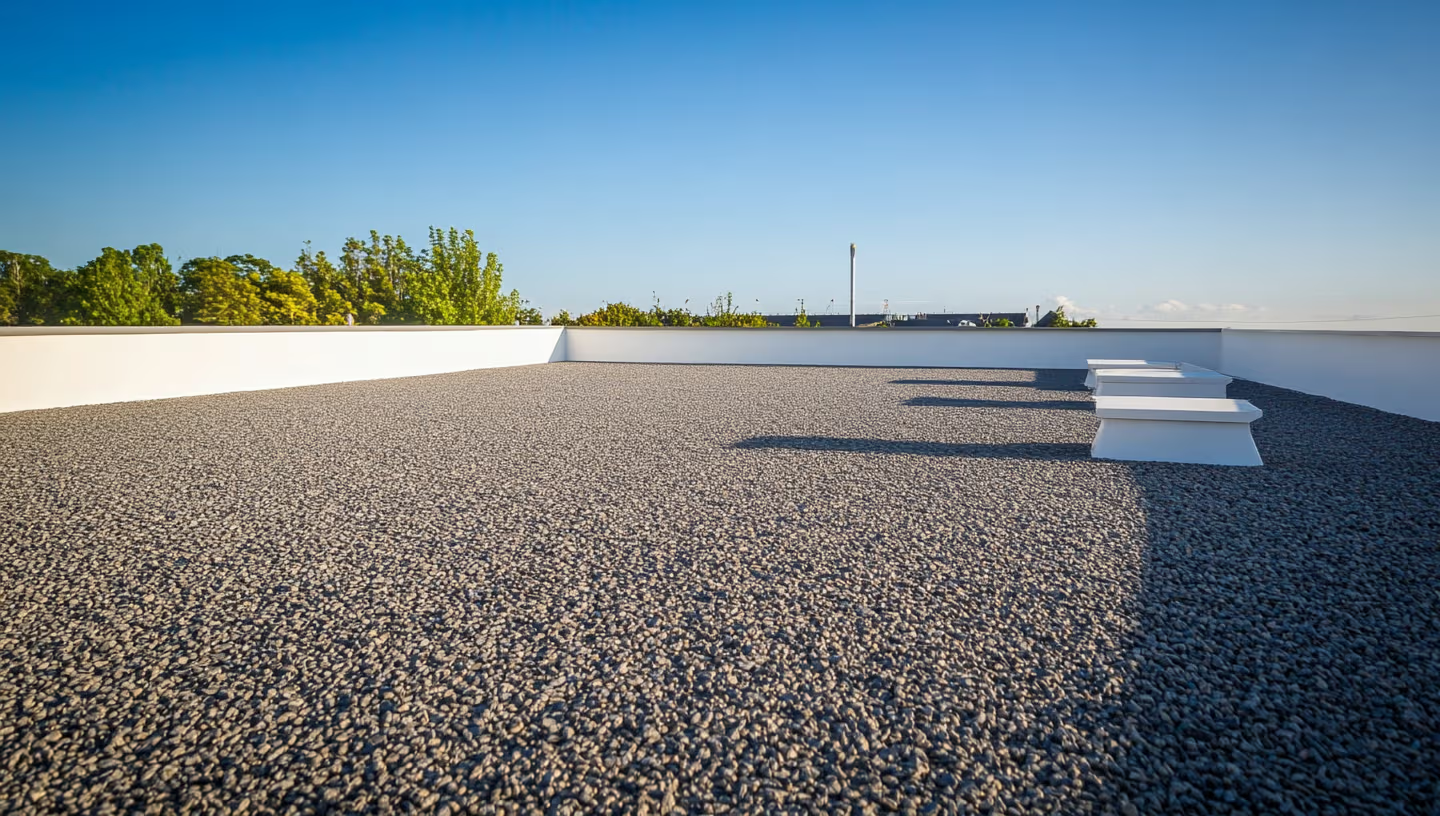
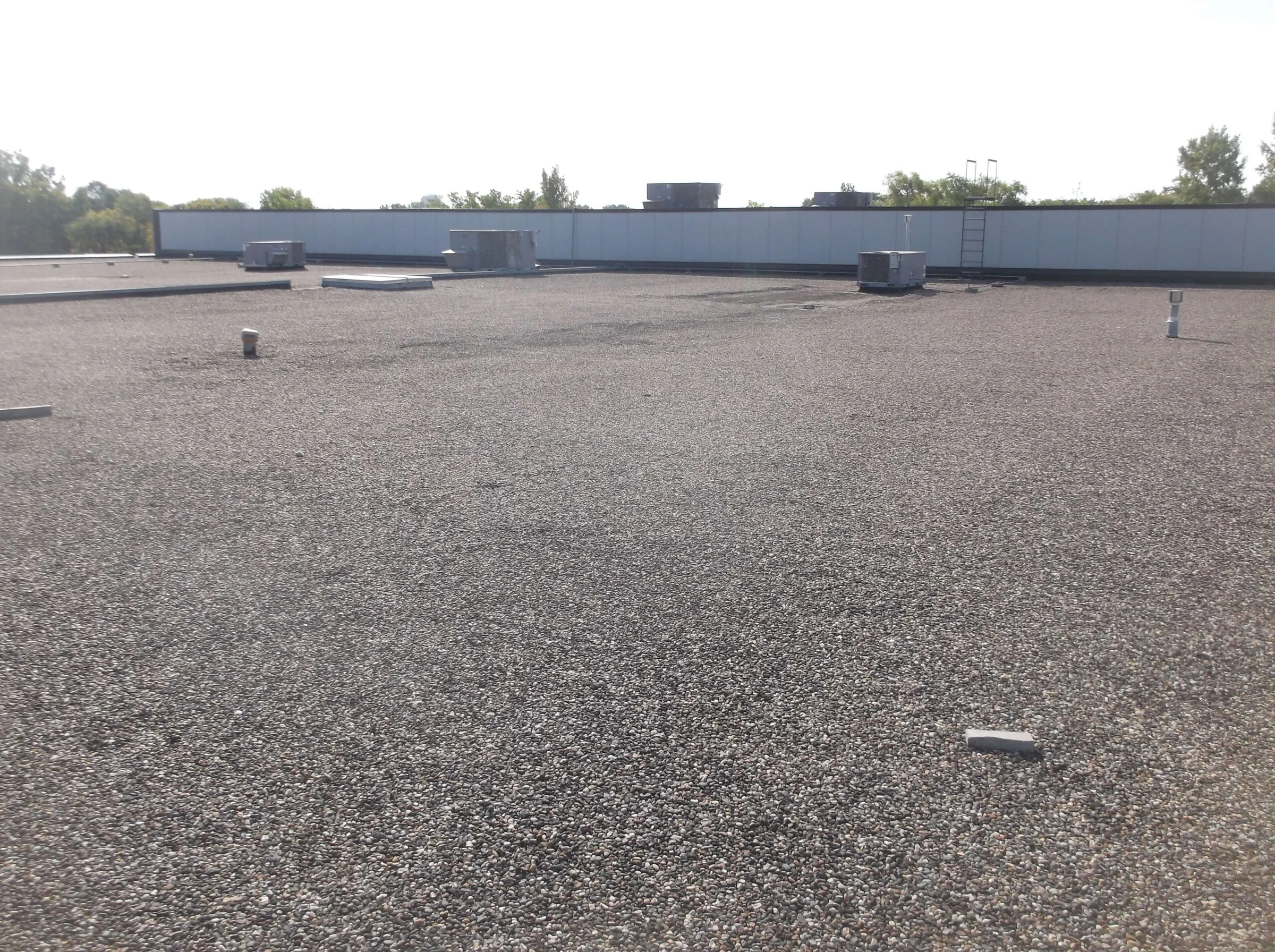
Sometimes. If the leak is isolated to a failed flashing at a penetration or parapet - common on Denver BUR roofs where freeze-thaw cycling works parapet base flashings loose - and the BUR field membrane is in sound condition confirmed by core cuts, targeted repair is the right scope. If the leak is coming from failed plies in the field, repair at the visible leak point will produce another leak nearby within one to two winters as freeze-thaw expands the moisture path. We will tell you which situation you are in before recommending any scope.
How do you handle gravel removal on a BUR tear-off in Denver?
Gravel-surfaced BUR tear-off is labor-intensive and generates significant debris volume. On downtown Denver buildings with restricted site access - LoDo, the Golden Triangle, the 17th Street corridor - we use rooftop vacuum systems for gravel removal where dumpster placement is constrained by parking, street access, or neighbor proximity. Gravel is collected separately and coordinated for recycling at aggregate facilities when the owner's sustainability reporting requires documented diversion.
Is built-up roofing still installed new in Denver?
Rarely. New BUR has been largely displaced by SBS-modified bitumen, which achieves similar multi-ply performance with less installation complexity and without the hot-kettle and asphalt-fume exposure that creates complications in occupied urban Denver buildings. We can specify and install new BUR when a project requires it, but for most Denver commercial buildings, SBS modified bitumen or TPO with impact-rated cover board is the defensible recommendation for new work.
Aging BUR on a Denver commercial building?
We will walk the roof, pull core cuts, and produce a written assessment - replace vs. recover, with system options, installed cost bands, freeze-thaw and hail-resistance specifications, and warranty paths. No obligation.
| Scope Format | Written roof plan and photo record |
|---|---|
| Primary Market | Denver commercial buildings |
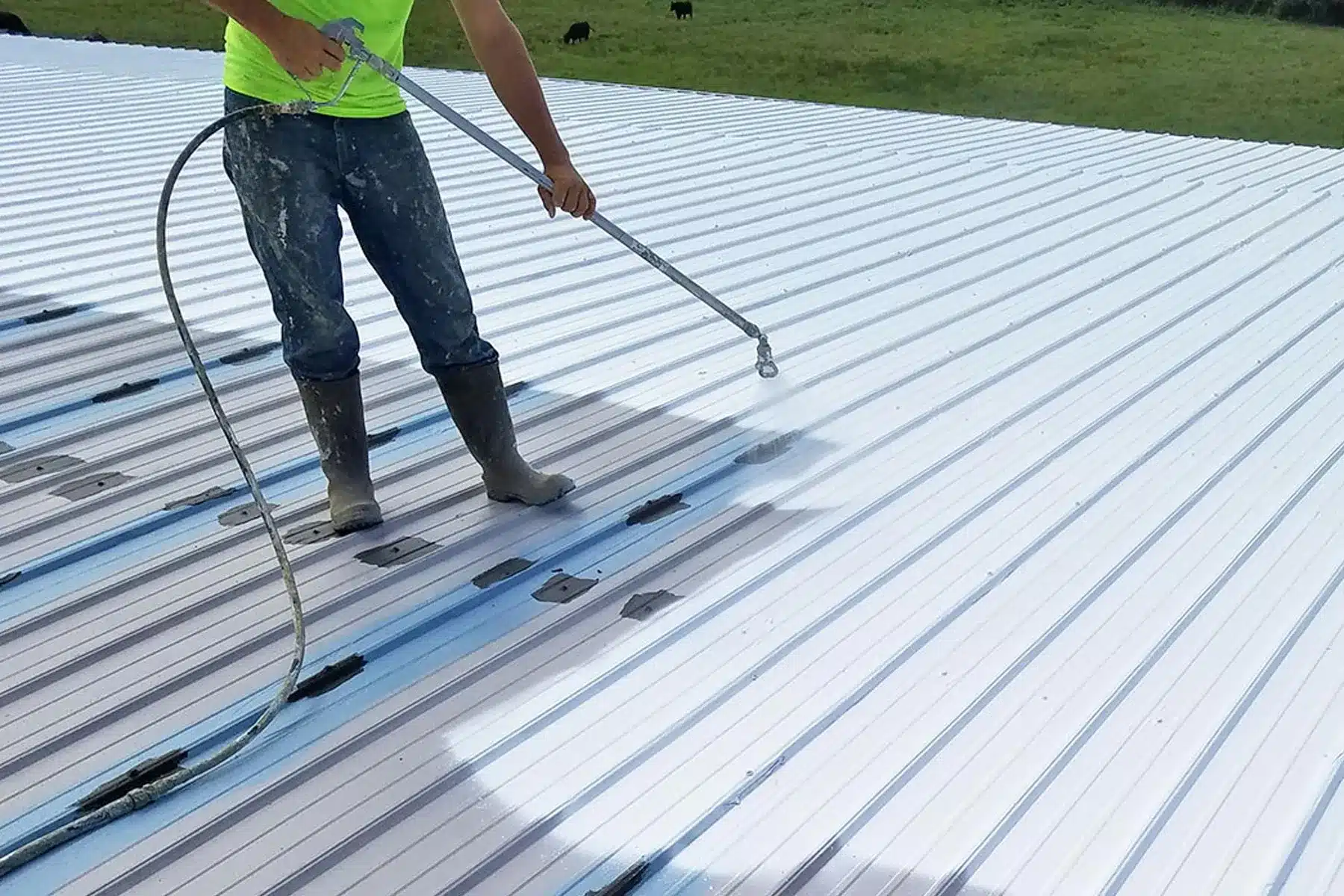
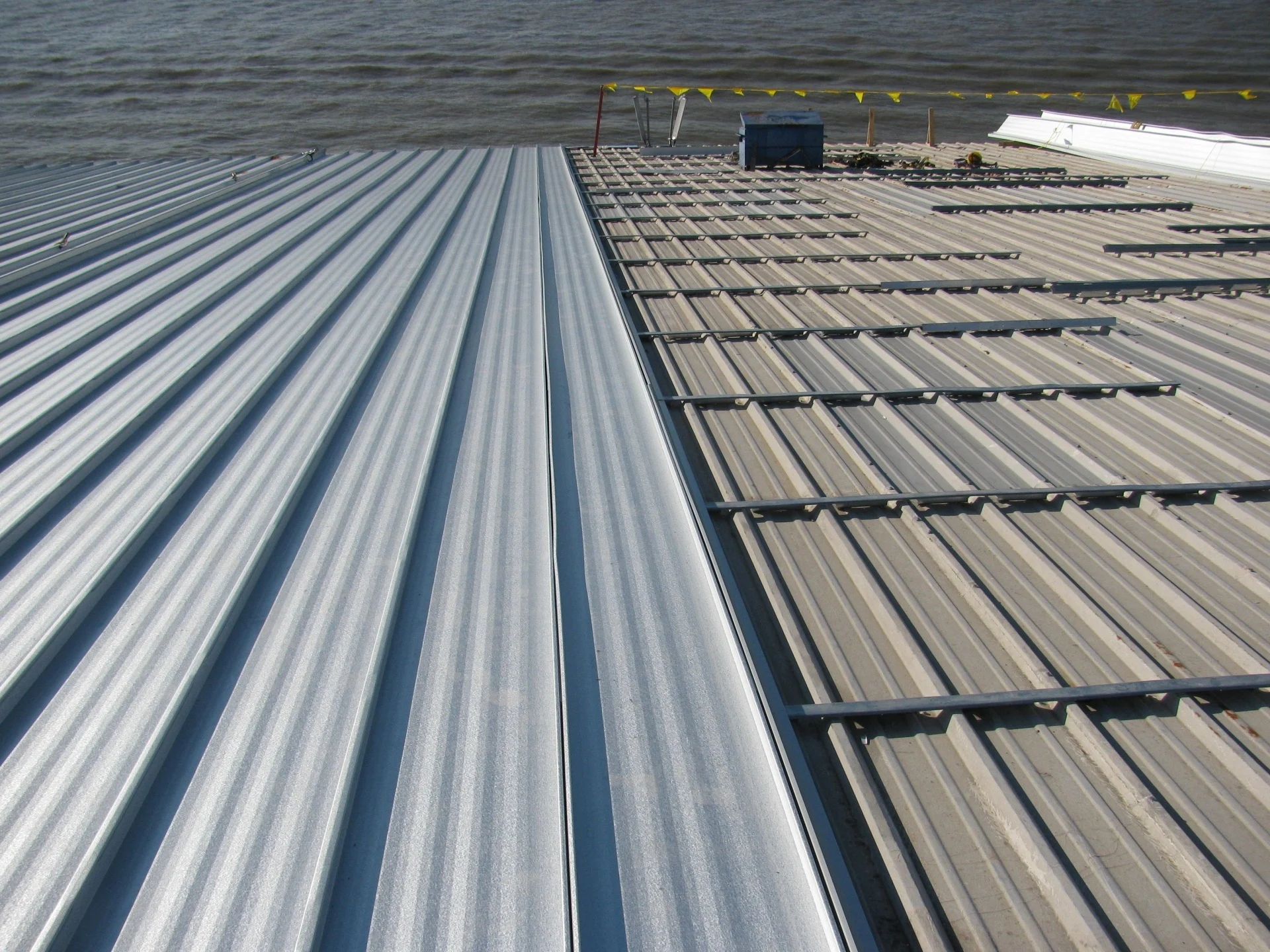
Commercial Re-Roofing in Denver, CO
Commercial Re-Roofing for commercial buildings across Denver.