Frequently asked questions
Commercial roofing for churches, worship centers, and religious facilities throughout Denver, CO.
Denver's religious landscape encompasses everything from Cathedral Basilica of the Immaculate Conception, whose twin Gothic spires are a defining feature of the city's skyline, to the massive megachurch campuses that have grown up along the Front Range corridor in cities like Castle Rock, Highlands Ranch, and Littleton. What all of these congregations share is a roofing environment shaped by altitude, hail, and rapid weather change that makes the Denver market genuinely distinct from any other major U.S. metro area.
The combination of high altitude and the Rocky Mountain Front Range geography creates roofing conditions that test every material and every installation method. Denver sits at 5,280 feet, where UV radiation is roughly 25 percent more intense than at sea level, accelerating the degradation of membrane plasticizers and adhesive sealants at a rate that surprises contractors more familiar with coastal or midwestern conditions. The city also experiences a dramatic temperature range - summer rooftop temperatures can exceed 160 degrees Fahrenheit on dark systems, while winter nights drop well below zero - creating thermal cycling stresses that cause membrane fatigue and seam failures in systems that might last decades in a more moderate climate.
Hail is the defining risk variable in Denver church roofing. The metro area sits in the most active hail zone in the country - the region between Denver and the Kansas border has more large-hail events per year than virtually any other area in the United States. A single severe storm can generate hailstones large enough to puncture modified bitumen membranes outright, and Class 4 impact-resistant ratings for roofing materials have become essentially standard for large institutional structures in the Denver market. Insurance carriers operating in Colorado have responded to the hail frequency with aggressive underwriting requirements, and many now mandate specific impact ratings as a condition of coverage for commercial religious properties.
Clear-span sanctuary roofs in Denver require structural analysis that accounts for Colorado's significant snow load requirements. The Denver area sees ground snow loads of 35 to 40 pounds per square foot in code calculations, and long-span church trusses must be verified to carry that load plus the weight of any new roofing assembly added during a replacement project. For congregations whose buildings date to the mid-twentieth century, the original structural drawings may be unavailable, requiring a licensed structural engineer to assess existing conditions before roofing specifications can be responsibly prepared.
Summer scheduling is effectively mandatory for Denver church roofing projects, and the scheduling window is narrower than it might appear. Spring weather in Denver is notoriously unpredictable - May and June routinely bring snow events that can shut down a roofing project for days - and the genuine working window typically runs from late June through mid-September. Many of Denver's large evangelical and nondenominational churches run summer camps and family programs that consume weekday building access, so scheduling coordination with the facilities director must begin months in advance to identify the specific weeks when each building can be accessed for overhead work.
Capital campaign processes at Denver-area churches range from highly structured formal campaigns with professional consultants to informal building fund drives managed by a pastor and a small volunteer committee. Roofing contractors who have worked with both models understand that the documentation requirements differ substantially and that presenting the right level of detail for the congregation's decision-making culture makes the difference between a smooth approval process and a project that stalls at the committee level. A simple, well-illustrated condition report with clear options and pricing tends to move through small congregation processes more quickly than a 40-page technical specification.
Denver's building permit requirements apply to commercial religious facilities, and the city's permitting process for large institutional buildings - particularly those in the Cathedral Precinct or other historically significant districts - can take longer than contractors and congregations anticipate. Submittal requirements for historic properties may include material samples and specification narratives that satisfy both the building department and the Denver Landmark Preservation Commission. Starting the permit process well before the intended construction start is essential for projects subject to these reviews.
The Archdiocese of Denver, the Episcopal Diocese of Colorado, and the Rocky Mountain Synod of the Evangelical Lutheran Church in America all maintain active facility management relationships with their member congregations. These denominational bodies have seen the consequences of poorly executed roofing projects across dozens of buildings and bring informed perspectives to contractor selection and specification review. Engaging constructively with denominational facility representatives early in the process - rather than presenting them with a completed contract for approval - typically results in faster approvals and better outcomes.
Energy performance in Denver's high-altitude climate has nuances that differ from lower-elevation markets. Reflective roof systems deliver strong summer cooling benefits in Denver's intense solar environment, but the winter heating load must also be considered - a white reflective membrane reduces the solar heat gain that might otherwise help warm a building on a cold but sunny Colorado winter day. Insulation levels, rather than membrane reflectivity alone, tend to deliver the most consistent year-round energy benefit in Denver's climate, and the correct approach balances both factors in the energy analysis.
Can you repair a leaking BUR roof in Denver without full replacement?
Sometimes. If the leak is isolated to a failed flashing at a penetration or parapet - common on Denver BUR roofs where freeze-thaw cycling works parapet base flashings loose - and the BUR field membrane is in sound condition confirmed by core cuts, targeted repair is the right scope. If the leak is coming from failed plies in the field, repair at the visible leak point will produce another leak nearby within one to two winters as freeze-thaw expands the moisture path. We will tell you which situation you are in before recommending any scope.
How do you handle gravel removal on a BUR tear-off in Denver?
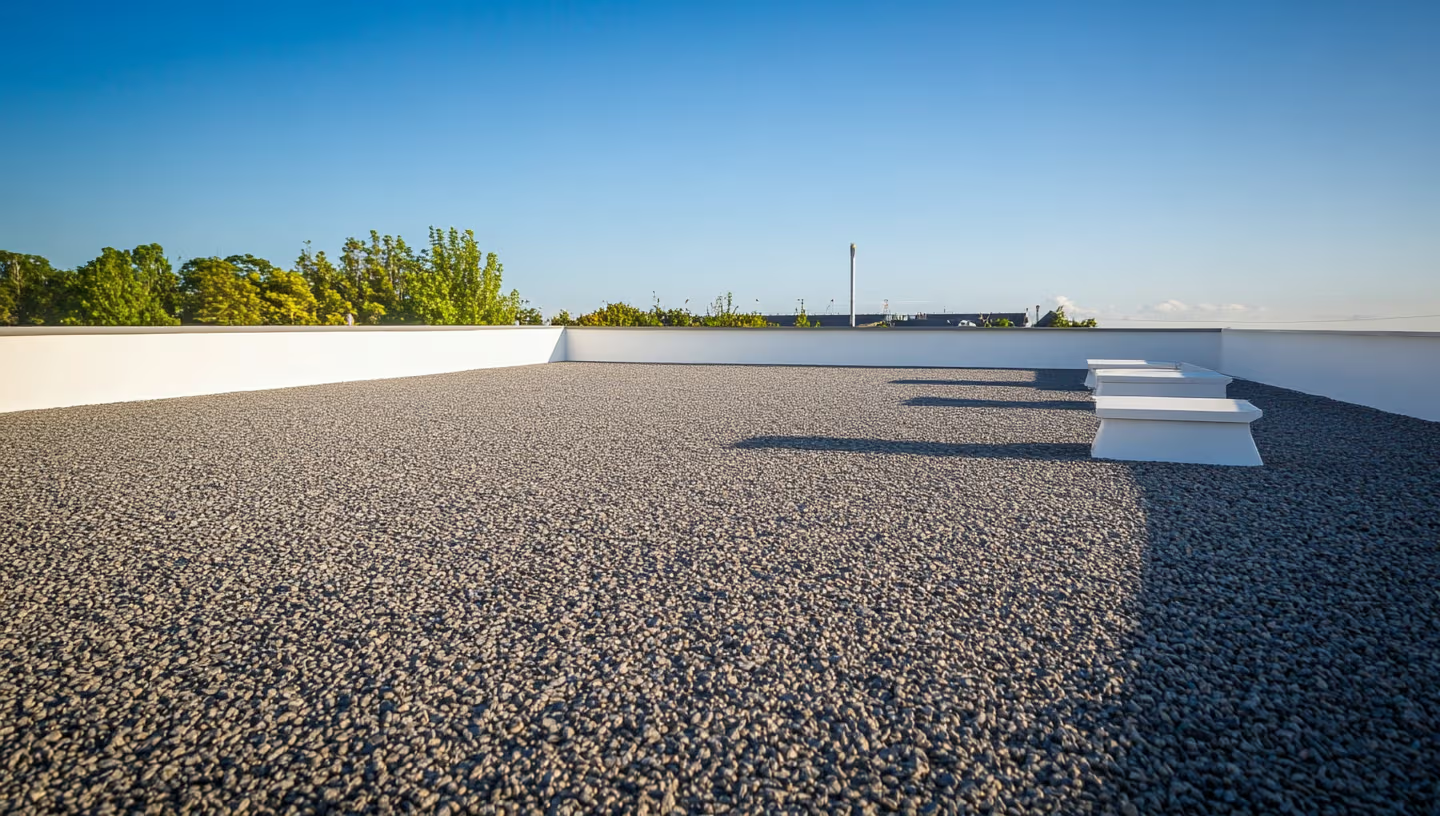
Gravel-surfaced BUR tear-off is labor-intensive and generates significant debris volume. On downtown Denver buildings with restricted site access - LoDo, the Golden Triangle, the 17th Street corridor - we use rooftop vacuum systems for gravel removal where dumpster placement is constrained by parking, street access, or neighbor proximity. Gravel is collected separately and coordinated for recycling at aggregate facilities when the owner's sustainability reporting requires documented diversion.
Is built-up roofing still installed new in Denver?
Rarely. New BUR has been largely displaced by SBS-modified bitumen, which achieves similar multi-ply performance with less installation complexity and without the hot-kettle and asphalt-fume exposure that creates complications in occupied urban Denver buildings. We can specify and install new BUR when a project requires it, but for most Denver commercial buildings, SBS modified bitumen or TPO with impact-rated cover board is the defensible recommendation for new work.
Aging BUR on a Denver commercial building?
We will walk the roof, pull core cuts, and produce a written assessment - replace vs. recover, with system options, installed cost bands, freeze-thaw and hail-resistance specifications, and warranty paths. No obligation.
| Scope Format | Written roof plan and photo record |
|---|---|
| Primary Market | Denver commercial buildings |
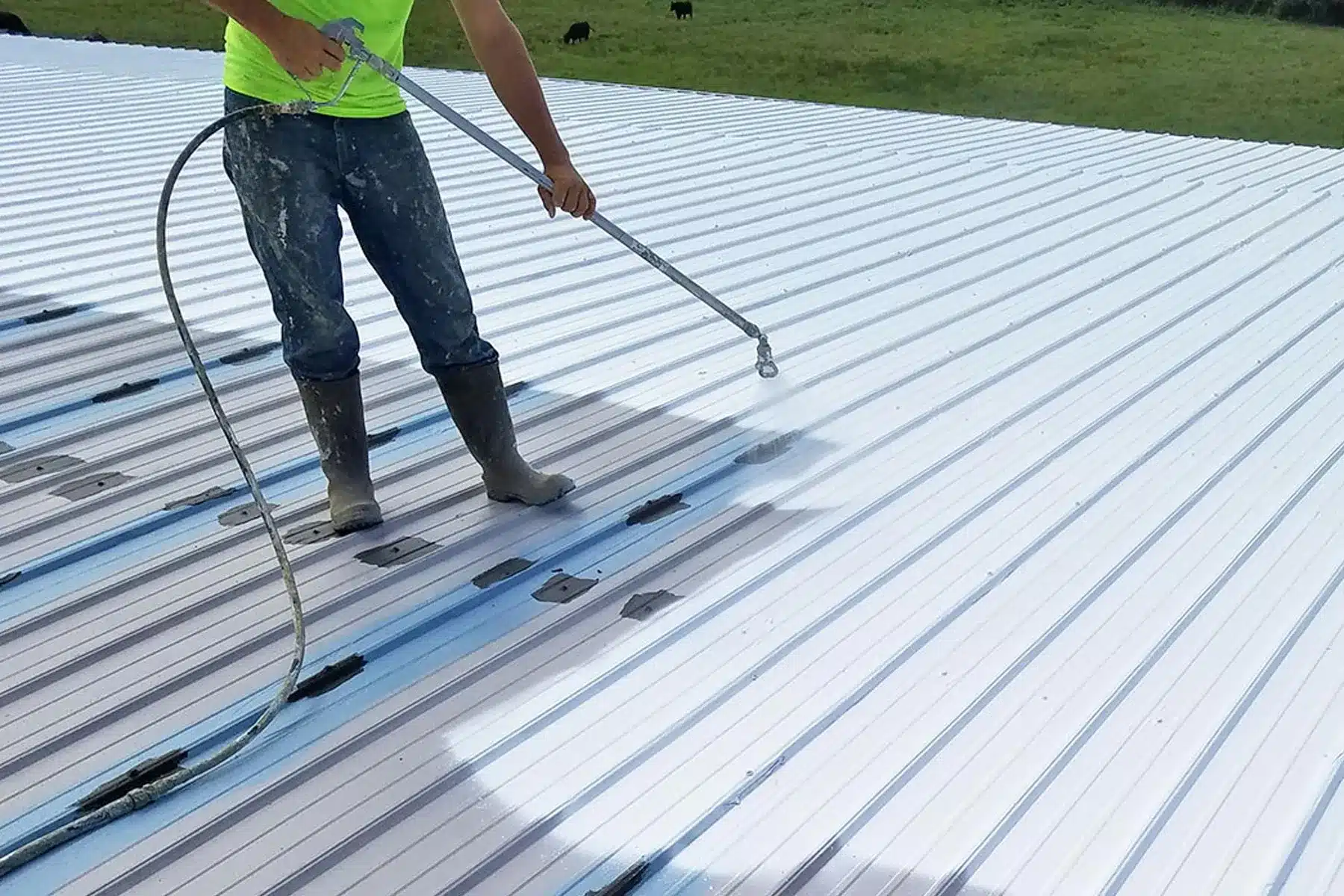
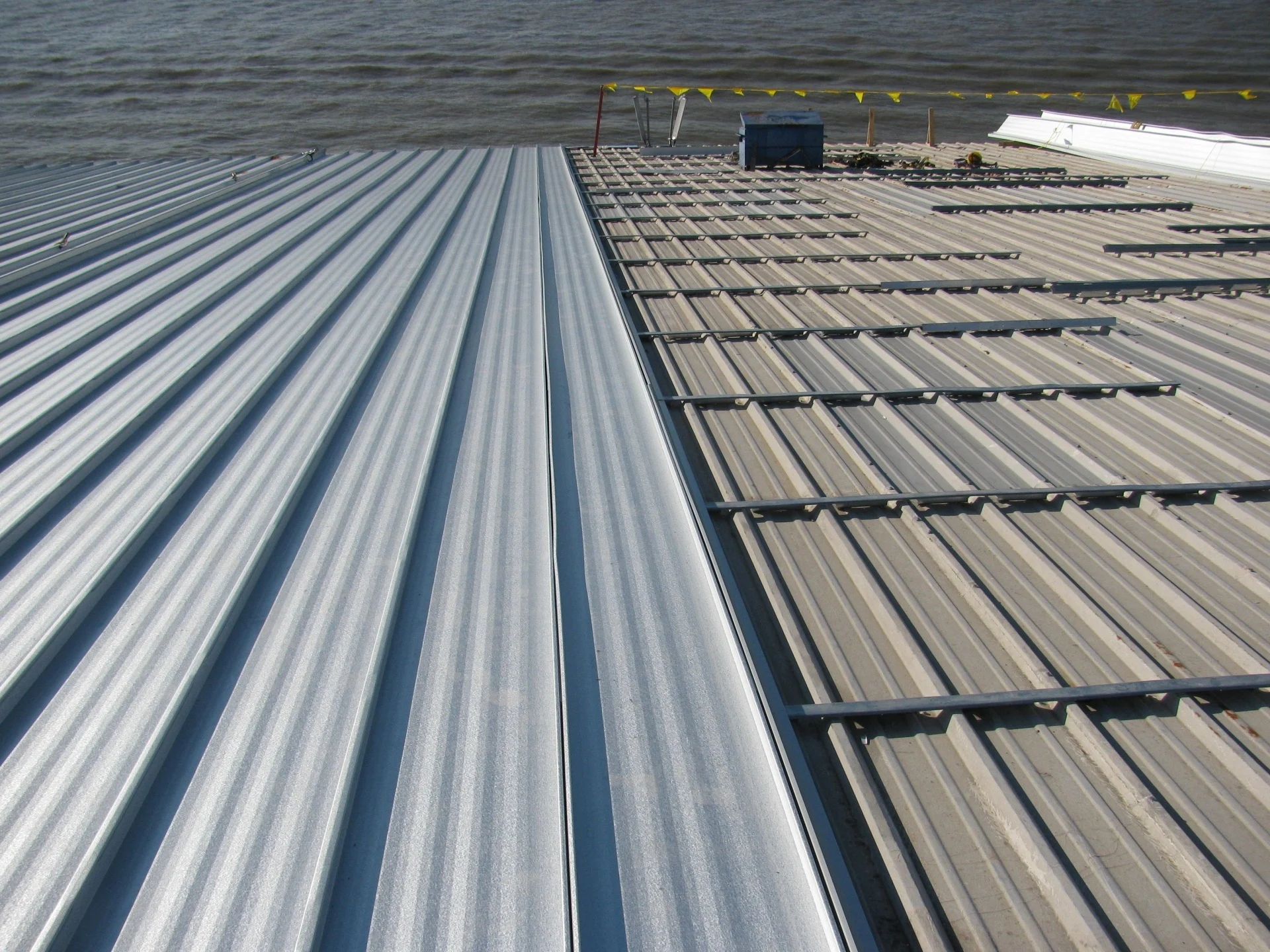
Commercial Re-Roofing in Denver, CO
Commercial Re-Roofing for commercial buildings across Denver.