What BUR Failure Looks Like in Denver's Climate
BUR assessment, replacement, and recover for aging Denver commercial buildings - when to convert to single-ply vs.
Denver still carries a significant inventory of aging built-up roofs - particularly on the 17th Street and Golden Triangle office towers built during the 1970s and 1980s energy-sector construction wave and on the city's older institutional buildings near the Civic Center. We assess BUR systems honestly: sometimes they need replacement, sometimes a targeted recover extends the asset another 10 to 15 years.
Built-up roofing - alternating layers of bitumen and reinforcing felt or ply sheet, topped with mineral surface or gravel cap - was the dominant commercial flat roofing system installed in Denver from the 1950s through the early 1990s. The buildings that carried those original BUR systems are in late-cycle or past-life condition now. They are concentrated along 17th Street and Broadway in the downtown core (the Republic Plaza-era building stock), along the Golden Triangle creative district, in Capitol Hill's older commercial and mixed-use buildings, and across the Denver Health and Saint Joseph Hospital corridors.
Denver's climate applies stresses to aging BUR systems that are more severe than most US commercial markets. The 90 to 110 freeze-thaw cycles per year attack aging BUR plies at every microscopic crack, accelerating delamination and moisture infiltration. Elevated UV at altitude oxidizes surface bitumen faster than at sea level. And the hail season - May through August - delivers repeated impact stress to gravel-cap surfaces that are already past their elastic limit. We assess BUR systems against all three stressors, not just surface appearance.
We work BUR in two modes: honest assessment (walk the roof, pull core cuts, tell the owner whether the system has remaining life or not) and replacement (when BUR is genuinely end-of-life, we scope the right replacement system for that building's capital horizon and operating environment). We do not oversell replacement when recover is the honest scope, and we do not undersell a failing system when the owner's budget pressure is pushing toward a repair that will not hold.
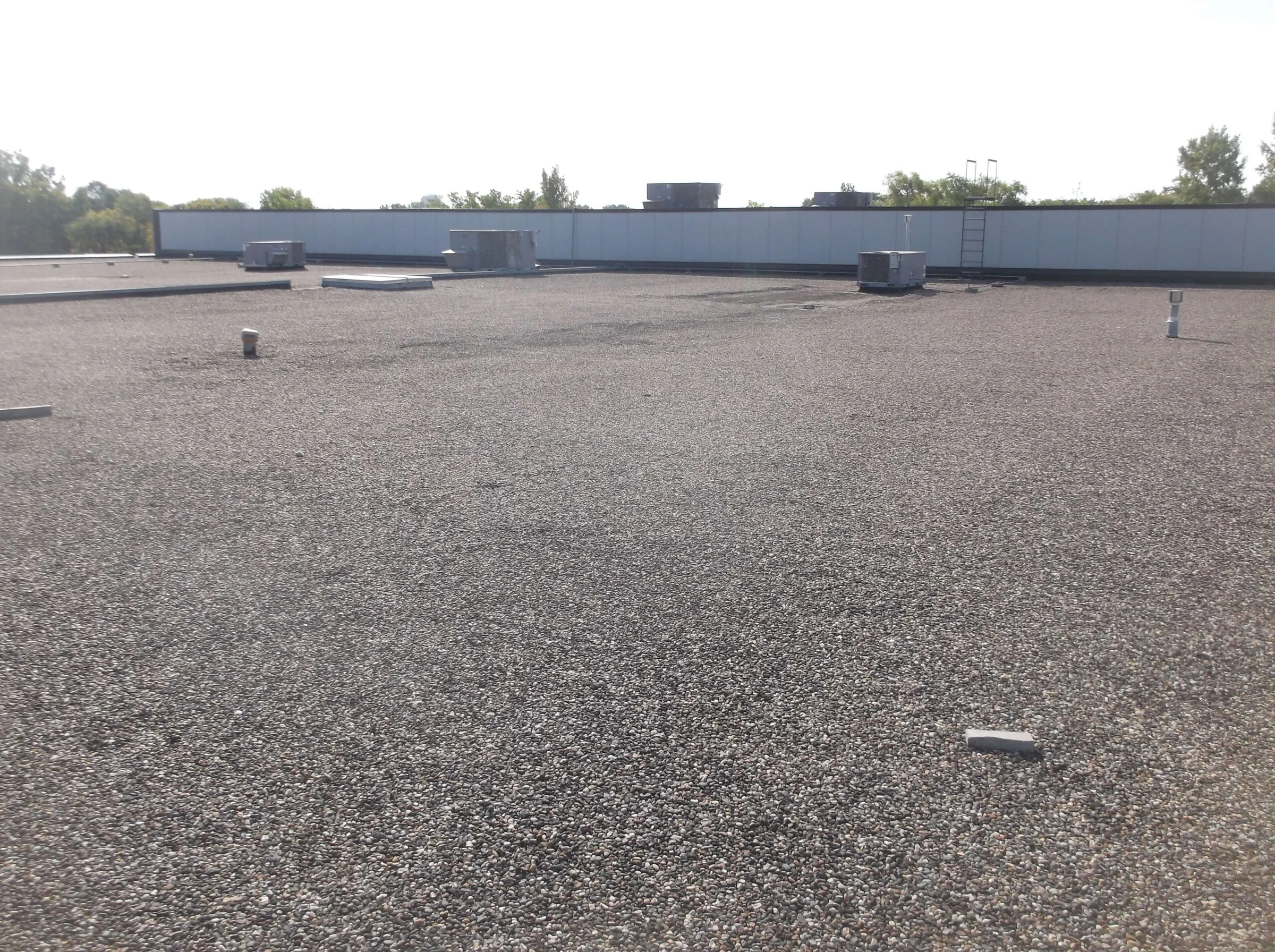
BUR roofs age in predictable patterns, but Denver's freeze-thaw cycle accelerates two of them. Alligatoring - the cracked, scaly surface texture that develops as surface bitumen oxidizes - is a normal aging sign that appears earlier at altitude than in lower-UV markets. Alligatoring by itself does not require immediate replacement, but it indicates a surface that can no longer shed freeze-thaw-driven moisture infiltration effectively. Blistering - bubbles under the surface - develops as moisture vapor or air pockets accumulate between plies. In Denver, blisters that form over winter sometimes enlarge significantly during spring freeze-thaw cycling as trapped moisture alternately freezes and expands. Blisters that are growing or have broken open require action.
Gravel-cap BUR systems on Denver's 17th Street and Capitol Hill buildings show a specific deterioration pattern after the hail season: repeated impact stress loosens the gravel bond to the cap sheet, exposing underlying bitumen to direct UV and precipitation. Once the gravel-bitumen bond fails across more than a third of the field, the remaining gravel provides ballast without protection and the cap sheet degrades rapidly. We document gravel contact condition during every BUR inspection - it is a faster degradation signal than alligatoring alone.
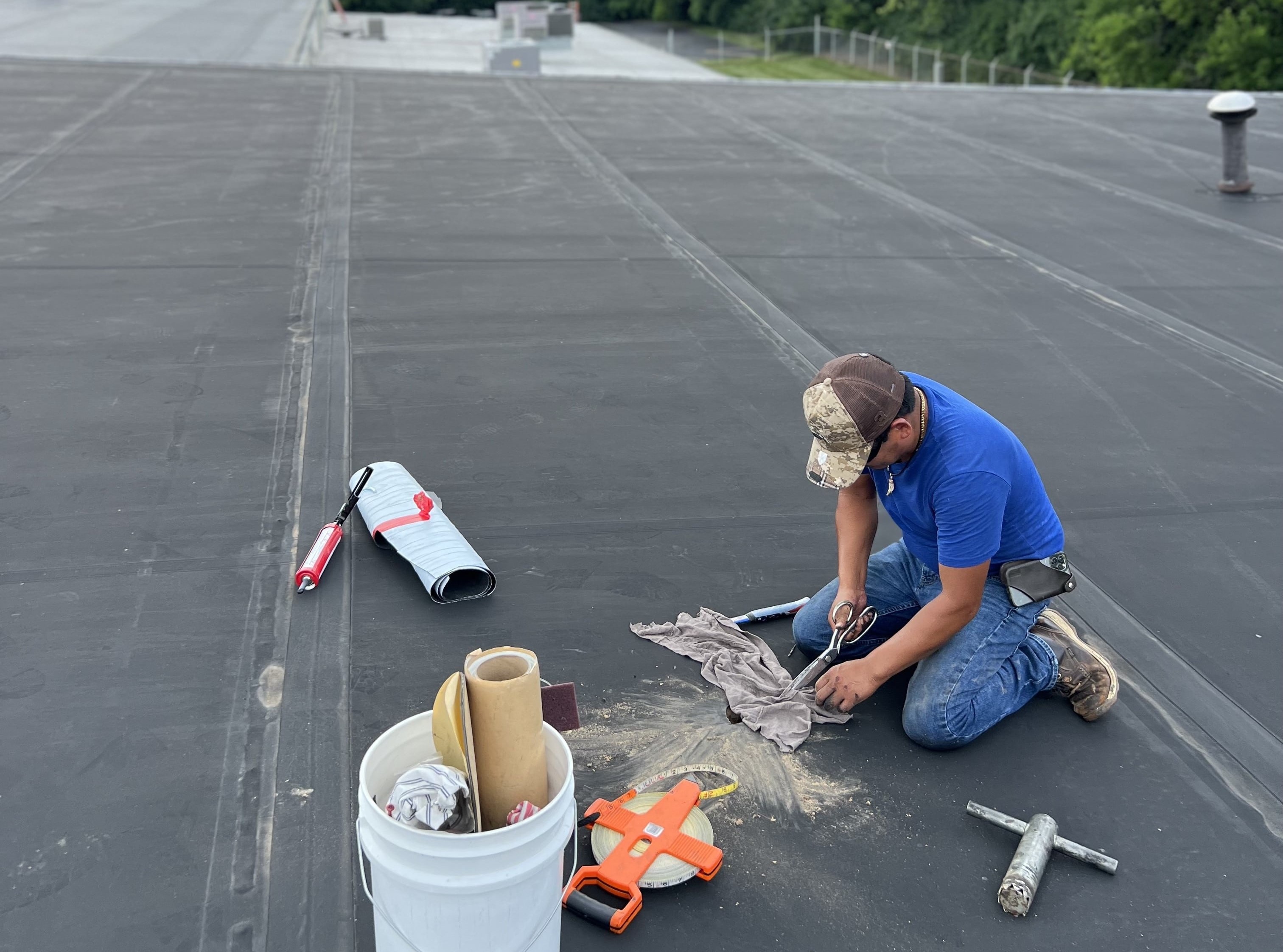
Core cuts are the definitive diagnostic. We pull 3-inch plugs at representative locations - one per 4,000 to 5,000 sq ft - and inspect each ply for moisture, delamination, and felt degradation. A BUR roof with dry plies and intact gravel surfacing has remaining life. A roof with wet plies or delaminated felts in more than 25 percent of cores is a replacement scope, not a repair scope. Denver's freeze-thaw climate means wet plies in a BUR system will not self-correct over summer - the next winter cycle will expand the damage.
BUR Replacement - When It Is the Right Call
The clearest replacement indicators on Denver BUR roofs: more than 25 percent of core cuts reading wet, multiple active leak points that have recurred after repair, gravel cap sheet with broken contact to the underlying bitumen across more than a third of the field, or deck deterioration discovered during core investigation. On the 1970s light-gauge steel deck common in downtown Denver office buildings, section corrosion is a meaningful risk - we build deck assessment into every BUR replacement scope on buildings over 30 years old.
When we scope BUR replacement on a downtown Denver building or an older institutional building, the first decision is what system replaces it. Modified bitumen (SBS) is the most common choice in Denver because SBS rubber-modified bitumen handles the freeze-thaw cycling better than APP-modified systems, maintaining elasticity through Denver's winter temperature range. TPO is the choice when the owner wants a reflective surface, a longer manufacturer warranty path, and a lower installed cost - but TPO must be specified with an impact-rated cover board in this market. We present both options with warranty terms, lifecycle costs, hail-resistance specifications, and compatibility with the existing drain layout.
Deck condition findings on older BUR buildings sometimes reveal section corrosion on the 1.5-inch corrugated metal deck that has to be addressed before any new system is installed. We stop work and document before proceeding when deck problems appear after tear-off - owners need to know what the full scope is, not discover it mid-project. On Capitol Hill and Golden Triangle buildings where the deck is original 1960s or 1970s steel, deck investigation is part of the replacement planning process, not a surprise.
BUR Recover vs. Full Tear-Off in Colorado
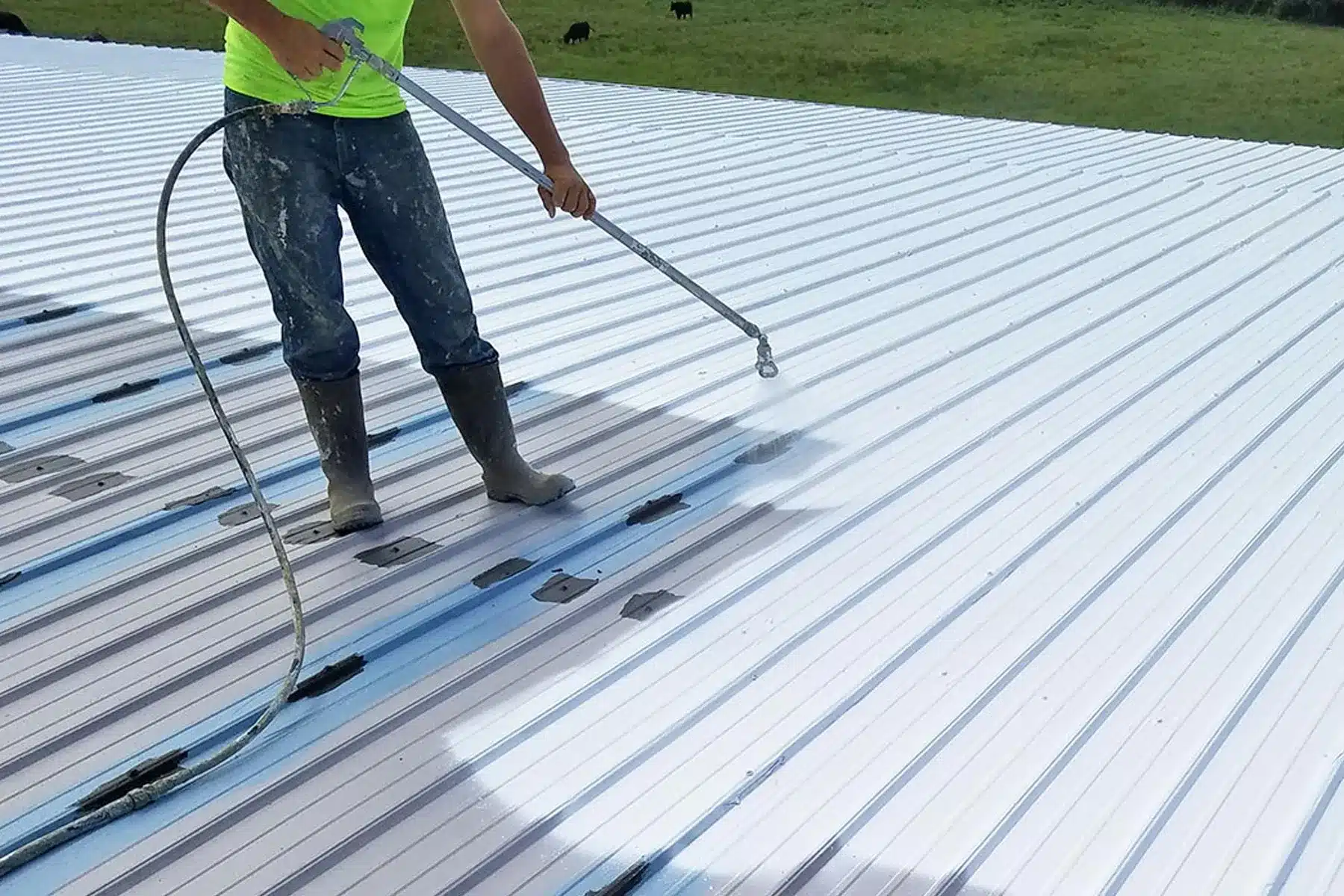
If core cuts come back dry and the BUR surface is in fair condition - no active blistering, no broken gravel-to-cap contact across more than a third of the field - a recover system can meaningfully extend the asset. The typical recover path on a qualifying Denver BUR roof is: clean and prime the surface, apply a modified bitumen SBS cap sheet or a fluid-applied silicone coating over the existing BUR, and extend the roof life 10 to 15 years depending on the recovery system and its warranty. SBS cap sheet over BUR performs well in Denver's freeze-thaw climate because the SBS modifier maintains elasticity at low temperatures.
Colorado building code allows one recover layer over an existing roof before full tear-off is required. Denver buildings with original BUR that already had a recover installed - common on the 1970s and 1980s building stock where a recover was done in the mid-2000s - need full tear-off at the next reroof cycle. We document the layer count during core investigation and include it in every written BUR report. Finding out a building is at the tear-off threshold after a new membrane has been ordered is a project-stopping problem - we surface that during inspection, not after contract.
One Denver-specific consideration: the mid-2000s recover wave on downtown and Golden Triangle buildings often used modified bitumen applied over BUR without adequate primer for the altitude UV exposure. These recover membranes are now 15 to 20 years old and showing accelerated surface oxidation relative to sea-level equivalents. A building with a 2005-era recover over original 1980s BUR may appear to have one recover layer with remaining life but actually have two aging systems with deteriorated ply bonding below - which is why we pull cores rather than rely on surface inspection.
Frequently asked questions
Can you repair a leaking BUR roof in Denver without full replacement?
Sometimes. If the leak is isolated to a failed flashing at a penetration or parapet - common on Denver BUR roofs where freeze-thaw cycling works parapet base flashings loose - and the BUR field membrane is in sound condition confirmed by core cuts, targeted repair is the right scope. If the leak is coming from failed plies in the field, repair at the visible leak point will produce another leak nearby within one to two winters as freeze-thaw expands the moisture path. We will tell you which situation you are in before recommending any scope.
How do you handle gravel removal on a BUR tear-off in Denver?
Gravel-surfaced BUR tear-off is labor-intensive and generates significant debris volume. On downtown Denver buildings with restricted site access - LoDo, the Golden Triangle, the 17th Street corridor - we use rooftop vacuum systems for gravel removal where dumpster placement is constrained by parking, street access, or neighbor proximity. Gravel is collected separately and coordinated for recycling at aggregate facilities when the owner's sustainability reporting requires documented diversion.
Is built-up roofing still installed new in Denver?
Rarely. New BUR has been largely displaced by SBS-modified bitumen, which achieves similar multi-ply performance with less installation complexity and without the hot-kettle and asphalt-fume exposure that creates complications in occupied urban Denver buildings. We can specify and install new BUR when a project requires it, but for most Denver commercial buildings, SBS modified bitumen or TPO with impact-rated cover board is the defensible recommendation for new work.
Aging BUR on a Denver commercial building?
| Scope Format | Written roof plan and photo record |
|---|---|
| Primary Market | Denver commercial buildings |
Commercial Re-Roofing in Denver, CO
Commercial Re-Roofing for commercial buildings across Denver.