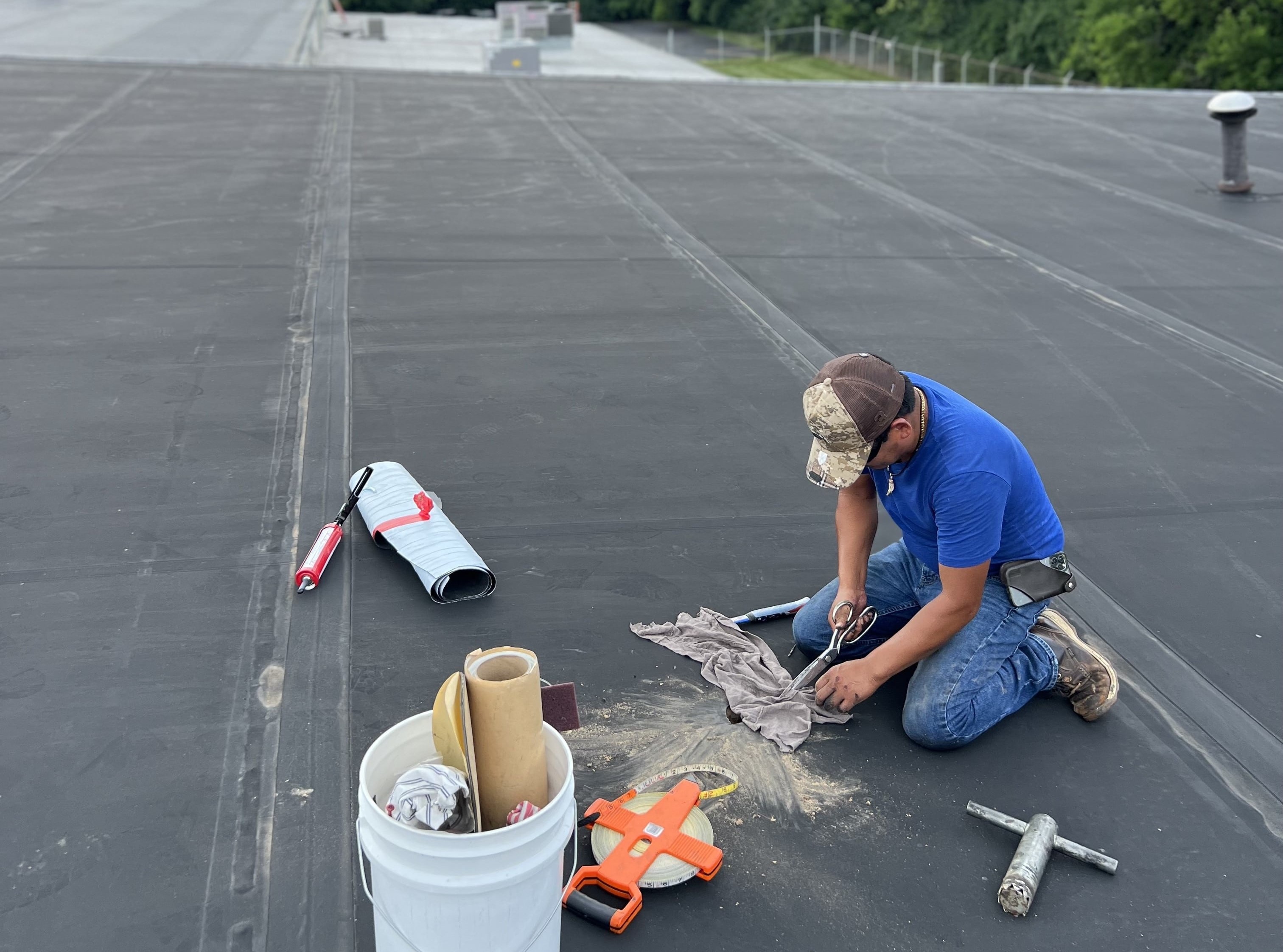
What We Inspect and Document on Denver Commercial Roofs
Manufacturer-warranty-aligned commercial roof maintenance contracts for Denver buildings - semi-annual and annual programs structured for Colorado's hail season, freeze-thaw cycling, and NDL documentation requirements.
Semi-annual and annual maintenance programs structured around manufacturer warranty requirements - documented inspections, minor repair allowances, pre-freeze drain inspection, and the post-hail rapid assessment that Denver's commercial roofing environment demands.
Our Denver maintenance contracts are structured around each manufacturer's specific inspection and documentation protocol. We are not doing a generic roof walk - we are following the manufacturer's required checklist, photographing every flagged item, and retaining the documentation in a format that survives a warranty claim audit. For facilities with their own warranty management systems, we deliver documentation in whatever format their system requires.
The Denver environment adds two maintenance requirements that are not present in most other markets: a pre-freeze drain and scupper inspection in October or November before the first sustained cold window, and a post-hail rapid assessment protocol that activates after documented hail events cross the building's zip code. Both are included in our Denver maintenance contracts as standard line items, not add-on services. The cost of missing either is well-documented in the Denver commercial insurance loss data.
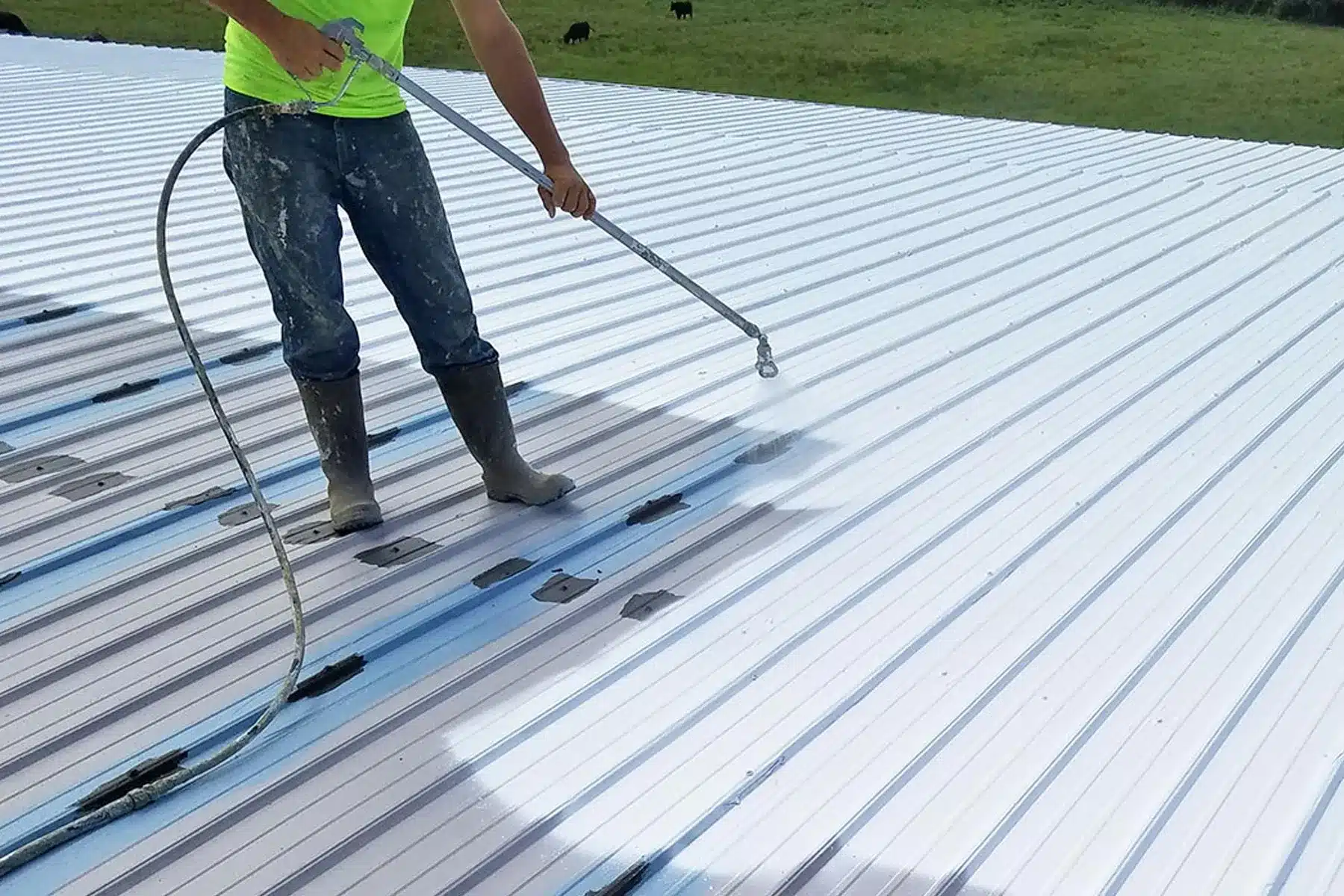
Membrane field: Full surface walk - every square foot, every season. We note and photograph all blisters, punctures, surface checking, granule loss, and any hail impact marks that suggest cover board compression below. At altitude, UV-related surface checking that is cosmetic on a younger membrane becomes a water pathway on a membrane past its midpoint in service life. We flag surface check locations for action before they transition from cosmetic to structural failure.
Perimeter and parapet flashings: Every linear foot of perimeter flashing, base flashing, through-wall counter-flashing, and edge metal is inspected for freeze-thaw-related separation, open lap, or adhesion failure. Denver's 90 to 110 annual freeze-thaw cycles make perimeter flashings the highest-frequency failure location on maintained buildings. We photograph every flagged location against the roof plan so the facility manager has a location-keyed defect record rather than a narrative description that is hard to act on.
Drains and penetrations: Every drain body, ring, strainer, and overflow scupper is inspected for debris accumulation, ring separation, and freeze damage from prior seasons. Every penetration boot, conduit sleeve, and HVAC curb corner is checked for seal integrity and evidence of freeze-thaw-related pulling. Pre-freeze inspections clear all drain debris and verify overflow scuppers are unobstructed before the first sustained cold window.
- Membrane field - full surface walk with altitude-UV crack documentation at each defect
- Perimeter flashings - every linear foot, freeze-thaw separation, and open lap
- Drain bodies and sumps - debris clearing, ring integrity, overflow scupper verification
- Penetration boots and HVAC curb corners - all sleeves and curb-edge seals
- Cover board condition assessment - hail impact marking and compression evidence
- Post-hail rapid assessment - activated after NOAA-verified hail events crossing the building zip code
Semi-Annual vs. Annual Programs
Minor Repairs Included - and the Denver Rationale
Every Denver maintenance contract includes a minor repair allowance - typically $500 to $1,500 in labor and materials depending on program tier. This covers drain clearing, penetration boot re-sealing, small membrane blister repairs, and minor parapet sealant work identified during inspection. Work exceeding the allowance gets a separate written scope and explicit approval before we proceed.
The rationale for minor repair inclusion in Denver is particularly clear: a drain clogged with windblown debris that is allowed to ice over through a Colorado winter becomes a drain-body separation repair the following spring. A $50 drain clearing in October saves a $1,400 drain-ring replacement in April. The freeze-thaw environment compresses the cost differential between catching failures at minor-repair scale and allowing them to progress through a winter season.
Frequently asked questions
How do I confirm whether my Denver building's manufacturer warranty requires documented maintenance?
We recently acquired a building in the DTC corridor with an existing roof warranty - can you take over maintenance?
Yes. We review the existing warranty, gather whatever prior maintenance records exist from the previous owner or contractor, and document the current roof condition thoroughly at the first inspection to establish a clean baseline. If there are gaps in the prior inspection record, we note them explicitly in the baseline assessment - those gaps may create warranty exposure, and that is a question for your attorney and the manufacturer. We give you accurate documentation of what exists and what is missing.
What does a maintenance contract typically cost for a Denver commercial building?
For a 20,000 to 50,000 sq ft single-story commercial building, an annual inspection program with minor repair allowance runs $1,800 to $3,500 per year depending on roof age, system complexity, and program tier. Semi-annual programs run 60 to 70 percent more than annual. Multi-building portfolios across the Denver metro receive volume pricing. The cost is typically 10 to 20 percent of the warranty claim value on a 20-year NDL policy for a building at this size - and Denver's documented hail frequency means the probability of needing that claim is not theoretical.
Protect your Denver manufacturer warranty with documented maintenance.
We will review your current warranty documentation requirements, walk the roof to establish a baseline condition record, and propose a maintenance program structured around your manufacturer's specific inspection protocol, pre-freeze drain inspection, and post-hail assessment.
| Scope Format | Written roof plan and photo record |
|---|---|
| Primary Market | Denver commercial buildings |
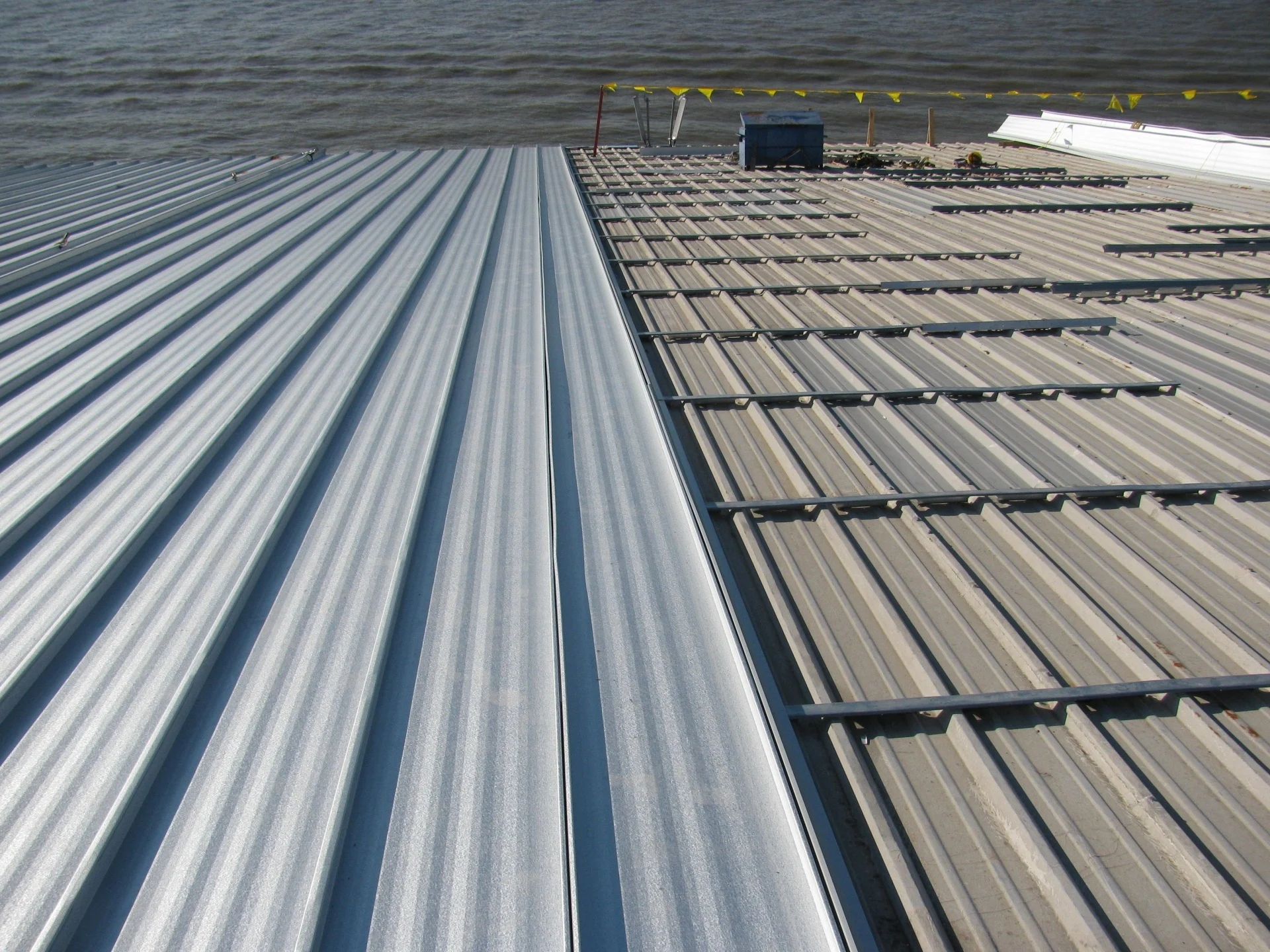
Commercial Re-Roofing in Denver, CO
Commercial Re-Roofing for commercial buildings across Denver.