Frequently asked questions
Commercial roofing for mixed-use buildings, urban infill developments, and live-work-play properties throughout Denver, CO.
The RiNo Art District and Denver's Highland neighborhood represent the cutting edge of Colorado's urban mixed-use development - where adaptive reuse industrial buildings, new multifamily towers, and street-level retail and restaurant space coexist in a high-density urban fabric that has transformed Denver's north urban neighborhoods over the past decade. Projects like the Source Hotel and Market Hall, the Catbird Hotel, and the multifamily towers rising along Brighton Boulevard define a Denver mixed-use waterproofing market where Sun Belt growth fundamentals, high-altitude climate challenges, and the complex ownership structures of urban mixed-use development converge in buildings that demand both technical precision and stakeholder management sophistication.
Commercial versus multifamily zone management in Denver's RiNo and Highland mixed-use buildings involves the rapid pace of development that has brought new multifamily owners into buildings where commercial tenants - restaurants, bars, creative offices - operate below or adjacent to their units. Exhaust from restaurant kitchens, bar ventilation, and commercial HVAC can create roofing exposure conditions that differ dramatically from standard multifamily roofing, and the roofing system must be specified to accommodate those commercial exposures while protecting the multifamily units above.
Occupied residents in Denver's urban mixed-use towers include the young professionals who have driven the city's multifamily boom - a community that is engaged, environmentally conscious, and attuned to building quality. HOA boards in Denver's RiNo and Highlands multifamily towers often include members with construction or real estate backgrounds who ask sophisticated questions about specification choices and warranty terms. We prepare for that audience and welcome the dialogue it creates.
Terrace and deck waterproofing in Denver's mixed-use buildings faces the combination of high-altitude UV radiation, extreme thermal cycling, and hail exposure that make Front Range roofing one of the most technically demanding environments in the country. Rooftop amenity decks on Denver mixed-use towers must withstand Class 4 hail impacts, thermal movement from Denver's dramatic temperature swings, and UV degradation rates that are roughly 20 percent higher than at sea level. We specify traffic-bearing systems with Class 4 impact resistance ratings, UV-stable topcoats, and movement joint spacing appropriate for Denver's thermal range.
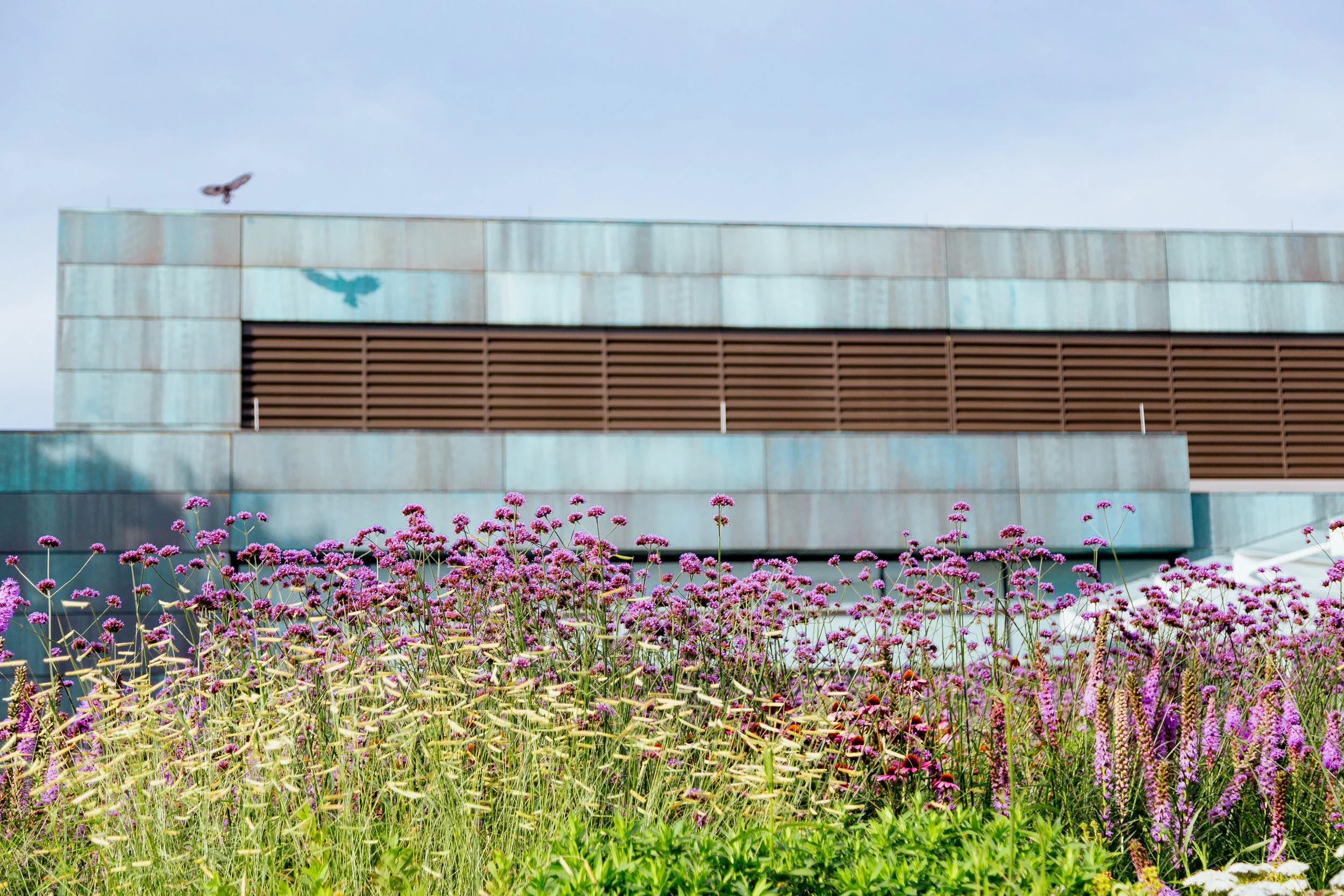
Green roofs are a natural fit for Denver's sustainability-conscious mixed-use development market, and several RiNo and Highland developments have incorporated extensive vegetated roof systems as part of their LEED or Living Building certifications. At Denver's elevation, drought-tolerant native species and sedum varieties adapted to Colorado's climate perform better than species selected for lower-altitude markets. We specify plant palettes appropriate for Denver's high-altitude climate and install irrigation systems designed for Denver's low humidity environment.
Building envelope continuity in Denver's mixed-use towers involves the full range of interface conditions - primary low-slope roof to steep-slope penthouse roof transitions, roof to curtain wall head flashing interfaces, and setback terrace to upper tower wall transitions - all of which must be detailed to prevent water intrusion from Denver's severe summer thunderstorms that can deliver intense localized rainfall with little warning.
Denver's Sun Belt growth has brought new mixed-use development at a pace that sometimes outstrips the available pool of experienced waterproofing contractors, leading to installation quality issues that become post-occupancy warranty claims. We provide commissioning inspection services for Denver mixed-use projects - independent moisture surveys and visual inspections during construction that identify installation deficiencies before they become the developer's warranty liability.
Hail damage assessment is a specific expertise that Denver mixed-use building owners and managers need from their commercial roofing contractor. After a significant hail event - and Denver has several annually - we can rapidly assess roof and terrace waterproofing system condition, prepare insurance documentation, and develop repair scopes that restore the system to pre-event condition.
Denver's mixed-use development boom has created one of the most dynamic urban real estate markets in the country, and the commercial roofing systems that protect these investments must match the quality and sophistication of the developments themselves. Our team brings Front Range climate expertise, LEED documentation capability, and the hail assessment skills that Denver mixed-use building owners require.
Can you repair a leaking BUR roof in Denver without full replacement?
Sometimes. If the leak is isolated to a failed flashing at a penetration or parapet - common on Denver BUR roofs where freeze-thaw cycling works parapet base flashings loose - and the BUR field membrane is in sound condition confirmed by core cuts, targeted repair is the right scope. If the leak is coming from failed plies in the field, repair at the visible leak point will produce another leak nearby within one to two winters as freeze-thaw expands the moisture path. We will tell you which situation you are in before recommending any scope.
How do you handle gravel removal on a BUR tear-off in Denver?
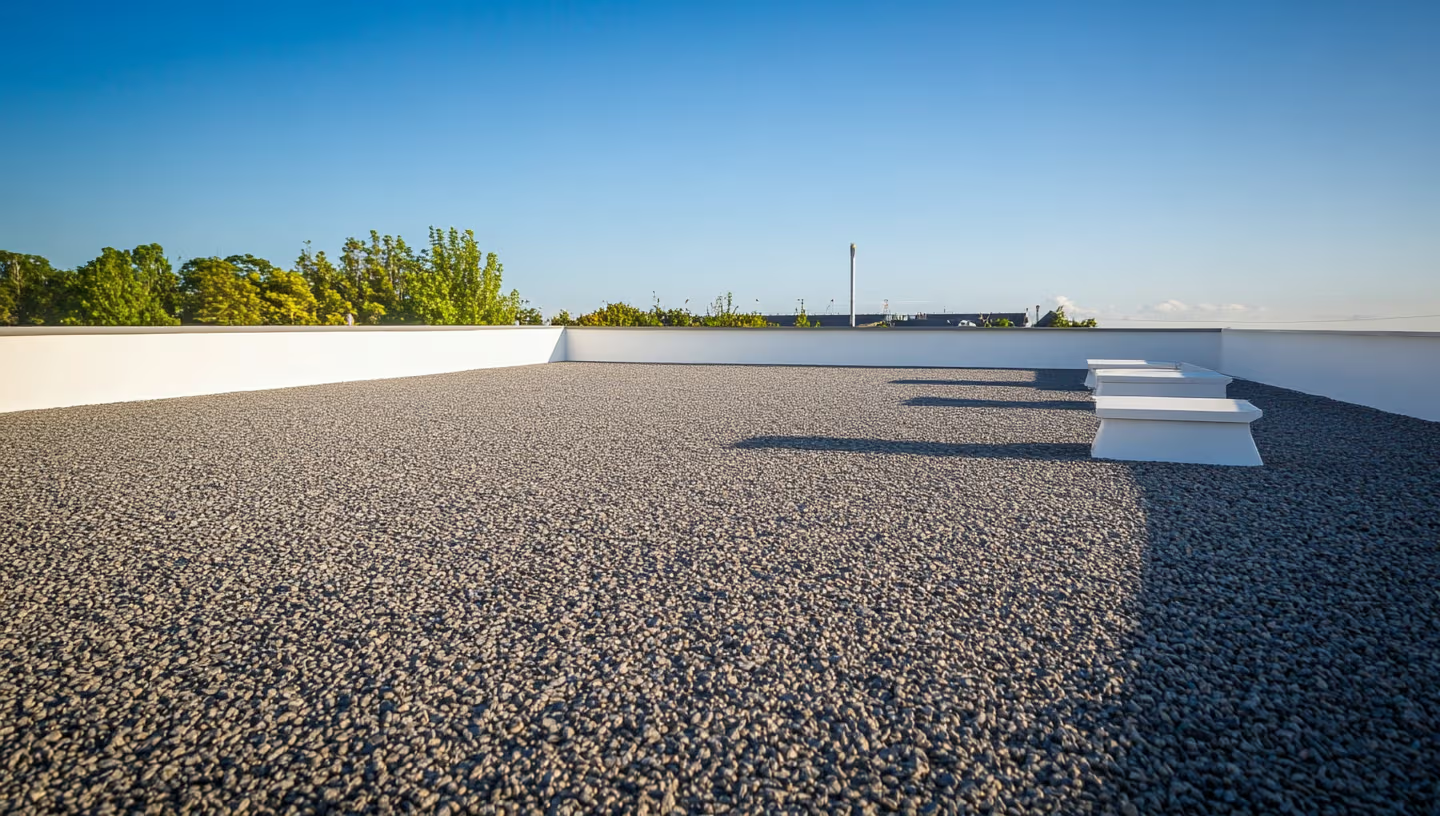
Gravel-surfaced BUR tear-off is labor-intensive and generates significant debris volume. On downtown Denver buildings with restricted site access - LoDo, the Golden Triangle, the 17th Street corridor - we use rooftop vacuum systems for gravel removal where dumpster placement is constrained by parking, street access, or neighbor proximity. Gravel is collected separately and coordinated for recycling at aggregate facilities when the owner's sustainability reporting requires documented diversion.
Is built-up roofing still installed new in Denver?
Rarely. New BUR has been largely displaced by SBS-modified bitumen, which achieves similar multi-ply performance with less installation complexity and without the hot-kettle and asphalt-fume exposure that creates complications in occupied urban Denver buildings. We can specify and install new BUR when a project requires it, but for most Denver commercial buildings, SBS modified bitumen or TPO with impact-rated cover board is the defensible recommendation for new work.
Aging BUR on a Denver commercial building?
We will walk the roof, pull core cuts, and produce a written assessment - replace vs. recover, with system options, installed cost bands, freeze-thaw and hail-resistance specifications, and warranty paths. No obligation.
| Scope Format | Written roof plan and photo record |
|---|---|
| Primary Market | Denver commercial buildings |
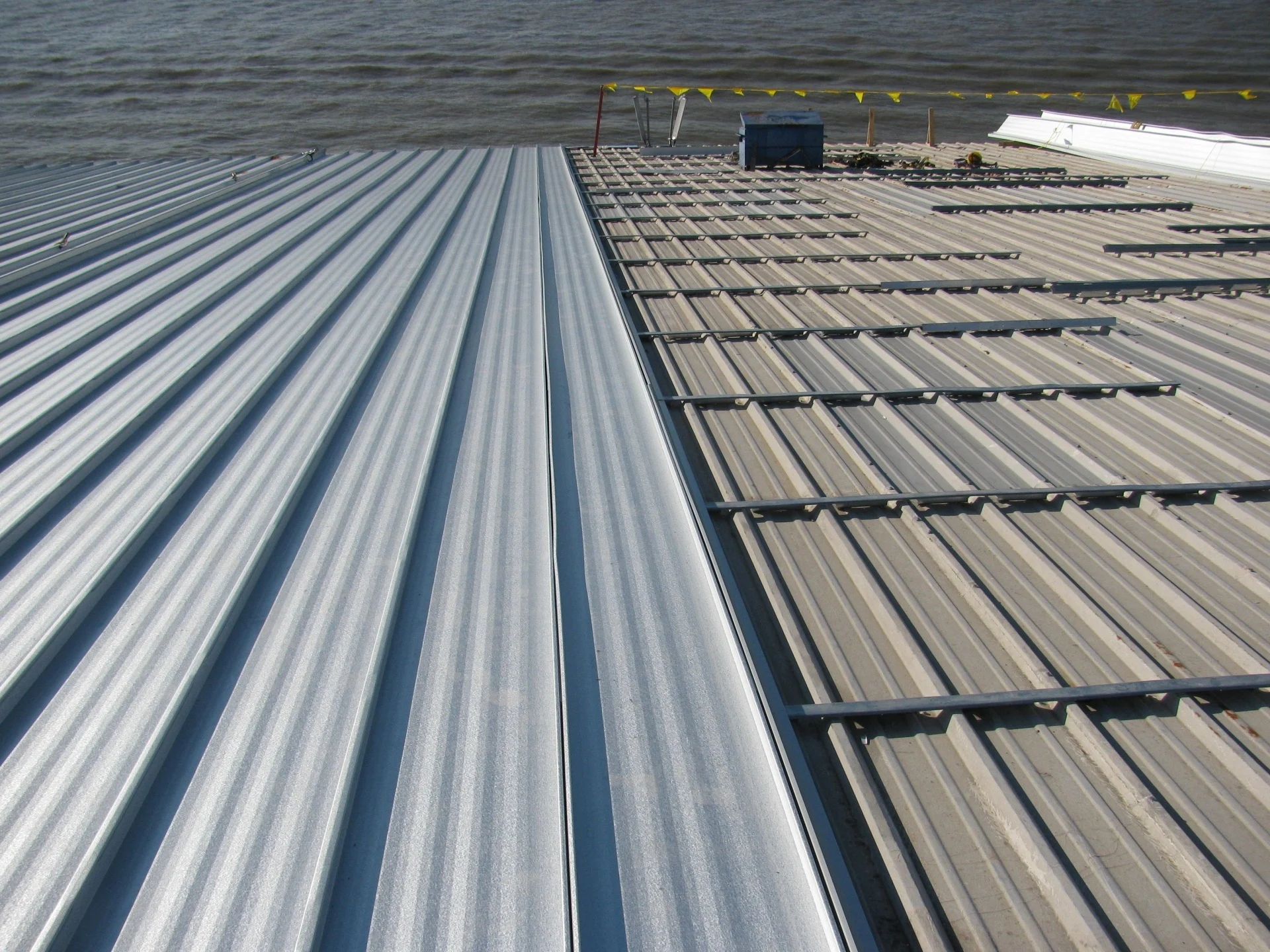
Commercial Re-Roofing in Denver, CO
Commercial Re-Roofing for commercial buildings across Denver.