Frequently asked questions
Roofing for apartment complexes, multifamily housing, and HOA-managed communities throughout Denver, CO.
Denver's apartment market has been one of the most dynamic in the Mountain West for the past fifteen years, with enormous construction activity in neighborhoods like RiNo, Baker, and Stapleton alongside significant investment in the older apartment stock of Capitol Hill, Cheesman Park, and Park Hill. The investors and property managers driving this market face roofing conditions that are genuinely unusual compared to most American cities - Denver's combination of high-altitude UV intensity, 300-plus days of sunshine, frequent hail storms, and sudden late-spring snowstorms creates a multi-directional stress environment that ages roofing systems faster than the climate might suggest.
Hail is the defining weather risk for Denver multifamily roofing. The Front Range is one of the most hail-active corridors in North America, and apartment complexes in suburban areas like Aurora, Lakewood, and Thornton experience damaging hail events with enough frequency that insurance carriers have significantly restructured how they write multifamily policies in Colorado. Many carriers now require hail-rated membrane systems on new and replacement roofs, and properties without impact-resistant roofing documentation face coverage restrictions and premium penalties that directly affect operating costs and lender requirements. Specifying the right membrane and retaining the certification documentation is no longer optional for Denver apartment owners.
The older apartment inventory in central Denver - brick and frame buildings from the 1950s and 1960s throughout Capitol Hill and Uptown - presents a roofing challenge that investors entering the Denver value-add market often underestimate. These buildings typically have low-slope roofs with minimal insulation, aging built-up or early EPDM membranes, and parapet walls where decades of freeze-thaw cycling have opened up flashing joints that allow water into the wall assembly. A full due diligence inspection on these properties should include infrared thermography to map the extent of insulation saturation, because replacing a membrane over wet insulation produces a system that will fail prematurely regardless of membrane quality.
Denver's altitude - 5,280 feet above sea level - affects roofing in ways that contractors from lower-elevation markets don't account for. UV radiation at this elevation is measurably more intense than at sea level, which accelerates membrane oxidation and brittleness, particularly on south and west exposures that receive the most direct sun. The thermal cycling between summer afternoon temperatures exceeding 90 degrees and spring or fall cold fronts that drop temperatures 30 to 40 degrees in hours creates expansion and contraction stress on membrane seams and flashings that requires products and installation details appropriate for this specific environment.
Property management companies overseeing large HOA-governed condominium communities in the Denver suburbs - particularly the planned unit developments in Highlands Ranch, Parker, and Broomfield that were built during the 1990s housing boom - are now dealing with original roofing systems that are simultaneously reaching end of life across hundreds of units. The synchronized replacement cycle creates enormous capital planning pressure for HOA boards, which must balance reserve fund adequacy against the political difficulty of substantial assessments. We work with Denver-area HOA boards and their management companies to develop phased replacement programs that spread capital expenditures over multiple budget years while prioritizing the buildings in worst condition.
Real estate investors managing Denver apartment portfolios face an insurance market that has become one of the most challenging in the country for multifamily properties. Carriers writing Colorado multifamily policies require documentation of hail-resistant roofing systems, and properties without this documentation face dramatically higher premiums or ACV-only settlement terms that eliminate the replacement cost coverage essential for managing large-loss events. Our replacement projects on Denver apartment buildings include the manufacturer's Class 4 impact resistance certification and the installation documentation that satisfies carrier requirements for preferred policy terms.
Denver's new apartment construction activity has produced a large inventory of mid-rise and high-rise buildings with complex flat roofing systems involving multiple roof levels, rooftop amenity decks, and mechanical penthouses that require specialized knowledge to maintain and replace. Property management teams for these newer buildings often discover during their first major storm event that the original contractor's roof installation quality was not equal to the building's overall construction quality, and that warranty claims are difficult to pursue without detailed documentation. We provide inspection and assessment services for Denver's newer multifamily stock as well as replacement expertise for the city's older buildings.
Tenant relations during roofing projects in Denver's tight rental market require careful management. In neighborhoods where vacancy is low and tenant retention is a priority, a poorly executed roofing project that creates noise disruption, parking problems, or unit access issues can generate review complaints and lease non-renewals that cost property managers far more than the project itself. Our project management approach includes communication templates, phasing schedules, and site management standards designed to make Denver apartment roofing projects as transparent and minimally disruptive as the physical work permits.
Whether your Denver portfolio consists of a single 1960s Capitol Hill walk-up or a collection of garden-style complexes spread across the metro, roofing performance is one of the most consequential variables in your operating budget and asset value. Our commercial roofing team understands Denver's unique combination of hail risk, altitude effects, and a multifamily market where documentation and insurance compliance are inseparable from sound asset management. Contact us to discuss how we can support your Denver apartment portfolio with the inspection, replacement, and maintenance services this market demands.
Can you repair a leaking BUR roof in Denver without full replacement?
Sometimes. If the leak is isolated to a failed flashing at a penetration or parapet - common on Denver BUR roofs where freeze-thaw cycling works parapet base flashings loose - and the BUR field membrane is in sound condition confirmed by core cuts, targeted repair is the right scope. If the leak is coming from failed plies in the field, repair at the visible leak point will produce another leak nearby within one to two winters as freeze-thaw expands the moisture path. We will tell you which situation you are in before recommending any scope.
How do you handle gravel removal on a BUR tear-off in Denver?
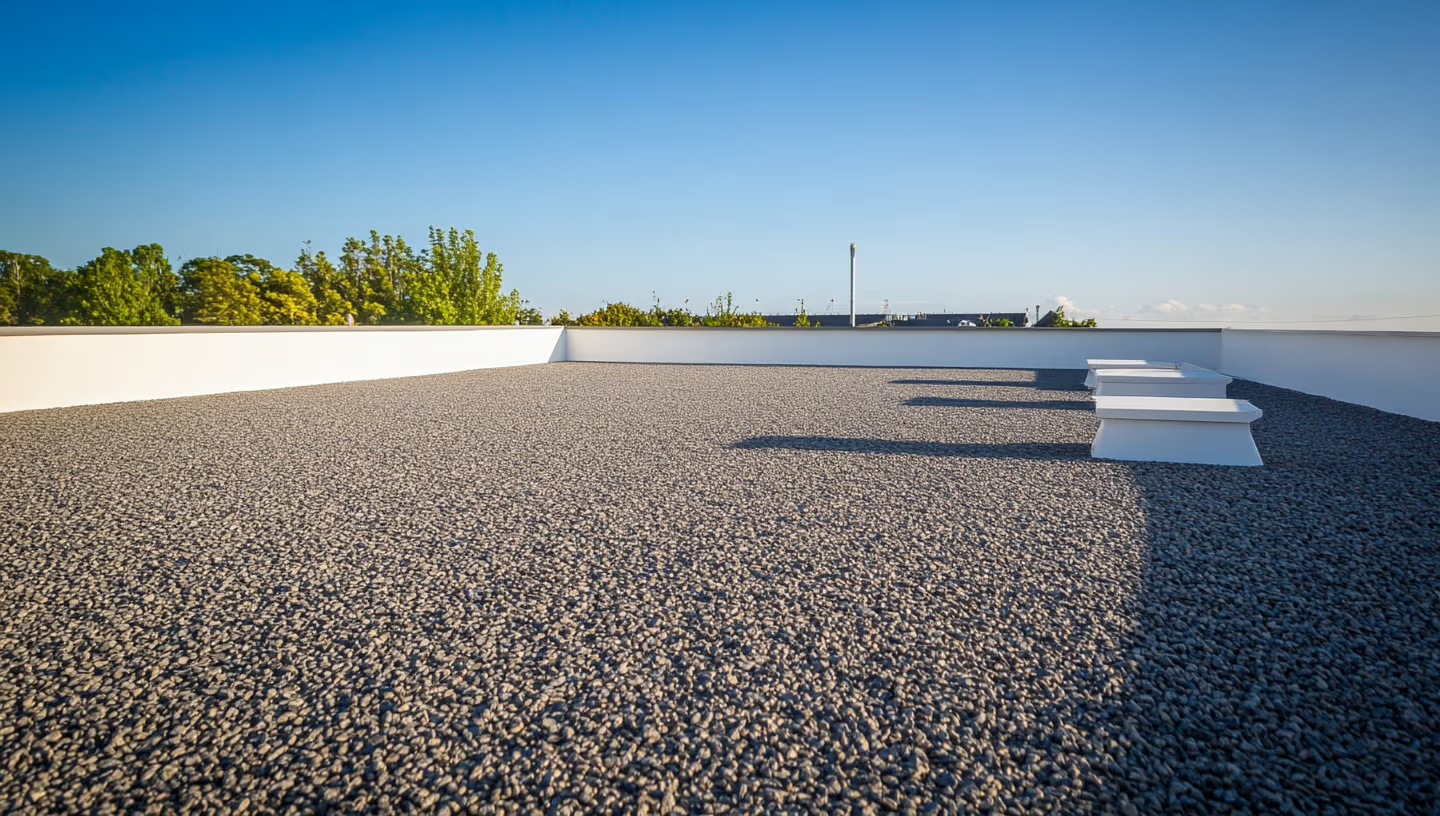
Gravel-surfaced BUR tear-off is labor-intensive and generates significant debris volume. On downtown Denver buildings with restricted site access - LoDo, the Golden Triangle, the 17th Street corridor - we use rooftop vacuum systems for gravel removal where dumpster placement is constrained by parking, street access, or neighbor proximity. Gravel is collected separately and coordinated for recycling at aggregate facilities when the owner's sustainability reporting requires documented diversion.
Is built-up roofing still installed new in Denver?
Rarely. New BUR has been largely displaced by SBS-modified bitumen, which achieves similar multi-ply performance with less installation complexity and without the hot-kettle and asphalt-fume exposure that creates complications in occupied urban Denver buildings. We can specify and install new BUR when a project requires it, but for most Denver commercial buildings, SBS modified bitumen or TPO with impact-rated cover board is the defensible recommendation for new work.
Aging BUR on a Denver commercial building?
We will walk the roof, pull core cuts, and produce a written assessment - replace vs. recover, with system options, installed cost bands, freeze-thaw and hail-resistance specifications, and warranty paths. No obligation.
| Scope Format | Written roof plan and photo record |
|---|---|
| Primary Market | Denver commercial buildings |
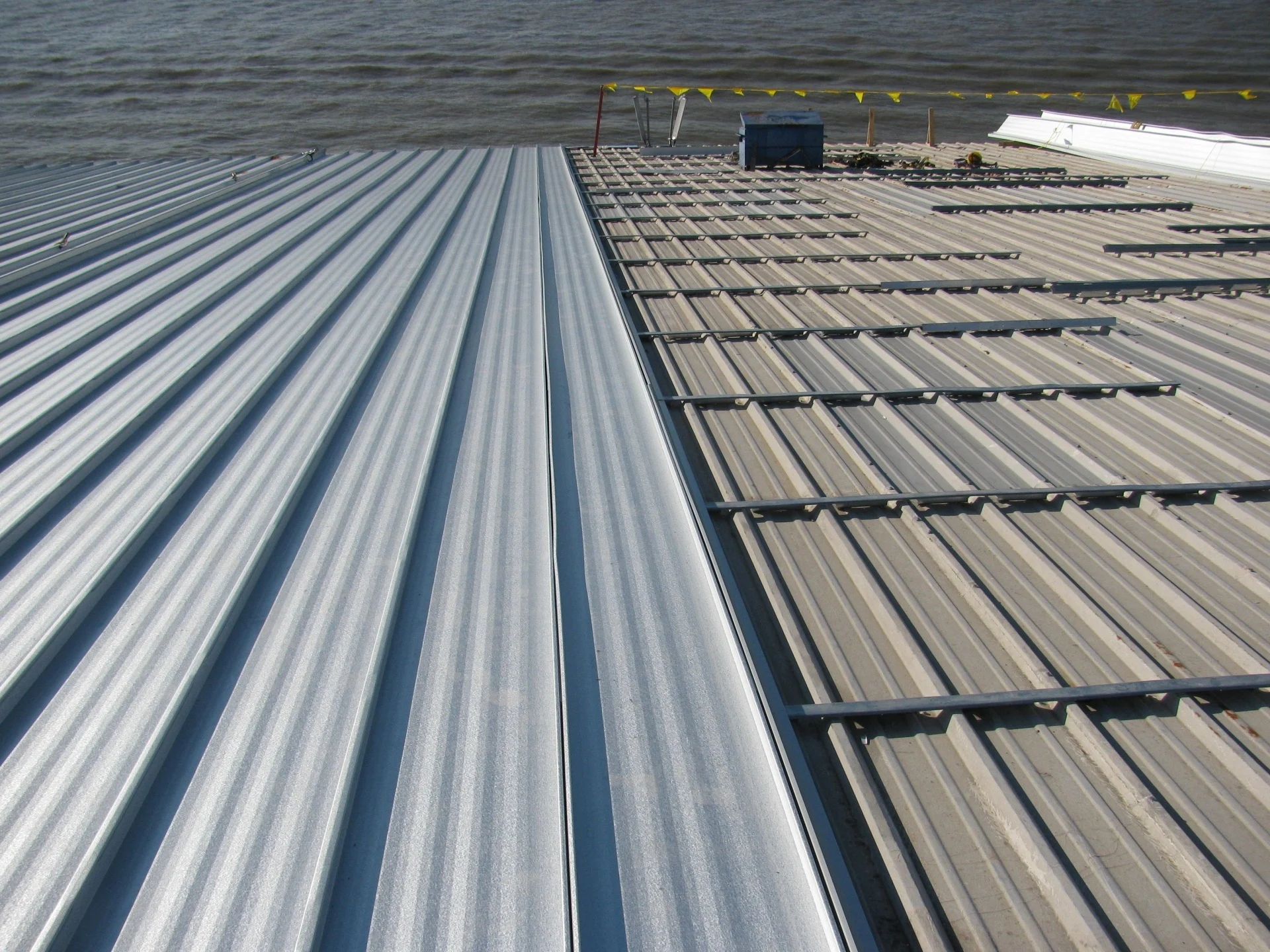
Commercial Re-Roofing in Denver, CO
Commercial Re-Roofing for commercial buildings across Denver.