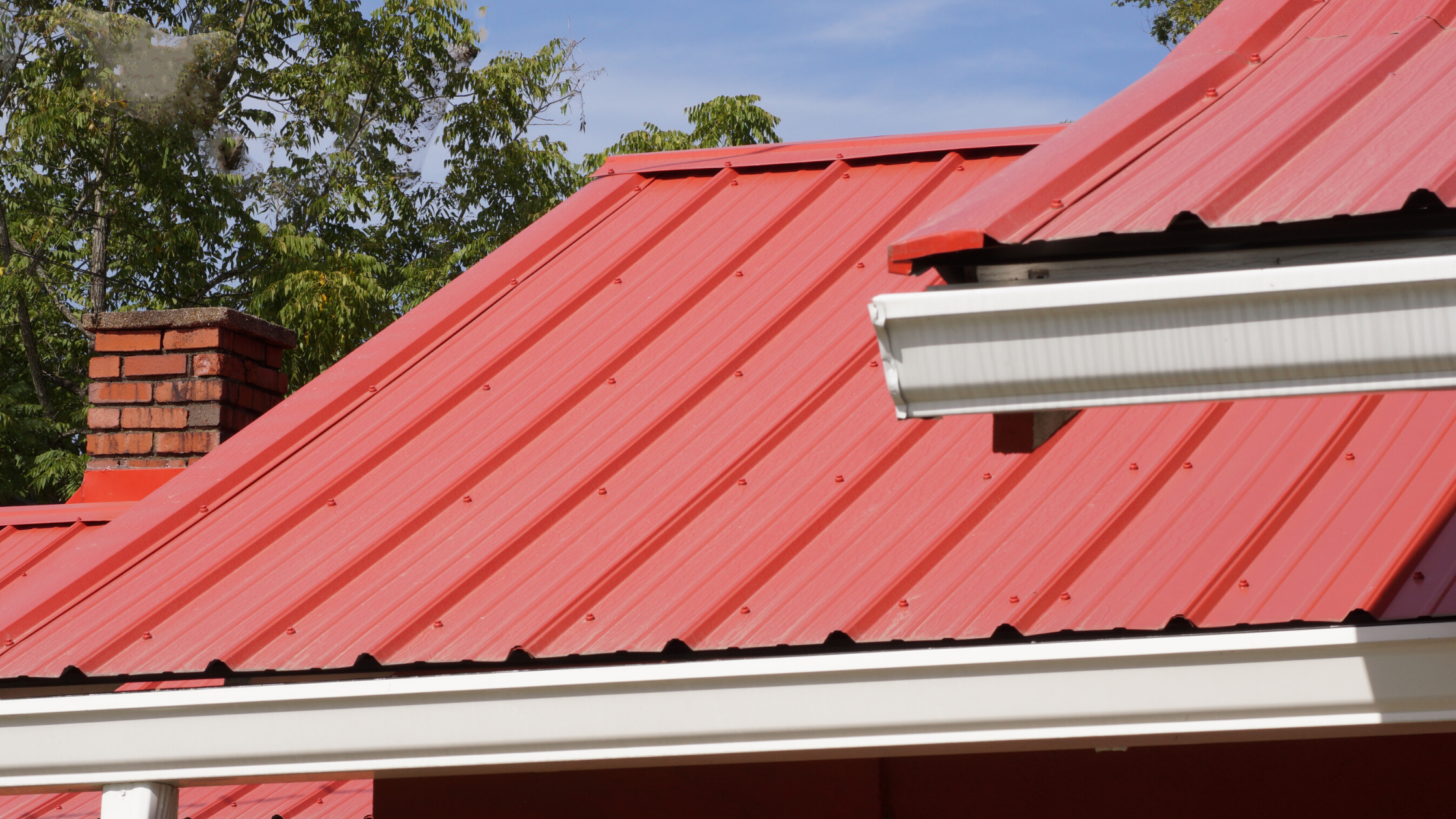
Coping Cap Repair and Replacement
Commercial parapet wall repair in Denver - coping cap replacement, counterflashing and reglet work, base flashing rebuild, and masonry restoration on flat-roof commercial buildings subject to Colorado freeze-thaw cycling and hail exposure.
The parapet is where most Denver commercial flat roofs fail first. Coping joints open under freeze-thaw cycling, base flashings separate after years of thermal stress, counterflashings lose their reglet seat, and masonry faces absorb moisture that cycles through the wall all winter. We repair the full assembly - not just the membrane.
The parapet wall is the vertical perimeter of a commercial flat roof, and it is the single highest-probability leak zone on most Denver commercial buildings. The parapet sits at the intersection of three different systems - the roof membrane, the wall cladding, and the structural framing - and it is exposed on two faces to Denver's intense high-altitude UV, to thermal cycling that drives rapid expansion-contraction through daily temperature swings that can exceed 40 degrees Fahrenheit, and to the freeze-thaw events that cross the 32-degree threshold 90 to 110 times per year in the Denver metro. On buildings from the 1980s and 1990s, parapets are typically the first major repair item regardless of membrane condition.
Parapet repair is not a one-trade job. The coping cap is typically sheet metal or precast concrete. The base flashing is the roofing membrane's vertical run up the parapet face. The counterflashing or reglet is the termination of the base flashing into the wall face. Doing the repair correctly means addressing all three components together - not patching whichever one is obviously failing while leaving the other two in compromised condition that will produce the same claim next winter.
We have repaired parapets on warehouse buildings in the I-70 Aurora corridor, on mid-rise office buildings along the 17th Street and Broadway office corridors in downtown Denver, on Class B office buildings in the DTC along I-25, and on the retail and mixed-use projects along Colfax Avenue and in the Cherry Creek commercial district. The conditions vary. The sequence - assess the full assembly, strip the failed components, restore the primary barrier, restore the secondary termination - does not.
Metal coping caps on Denver commercial buildings fail at the end laps and at the clip anchors. Denver's freeze-thaw cycling expands and contracts coping metal through the full winter season - the clip that holds the upper panel fatigues, the lap opens, and water infiltrates the parapet wall assembly below the coping rather than over the membrane. A single winter of open laps at a parapet can saturate the wood nailer and the masonry face below it before anyone notices. We pull affected coping sections, inspect the wood nailer for rot or freeze damage, replace the nailer where needed, and reinstall with continuous-clip systems that permanently close the end-lap gap.
Precast concrete coping - common on Denver commercial buildings from the 1960s through 1980s, particularly in the industrial corridors along I-70 and in older warehouse districts near the South Platte River - fails at mortar joints between units. Denver's 90-plus annual freeze-thaw cycles work moisture into hairline joint cracks, freeze it, expand it, and gradually open the joint until water can enter the parapet wall assembly. We rake and repoint with an elastomeric polyurethane sealant compatible with the concrete substrate, then apply a penetrating masonry sealer that reduces water absorption into the coping face.
Any coping replacement triggers an assessment of the parapet cap's drainage slope. Water should drain off the coping toward the roof, not toward the exterior wall face. Coping that has settled level or tilted outward concentrates water against the wall assembly and accelerates deterioration of the counterflashing below. We correct the slope during coping work when the existing cap is being replaced.
Base Flashing Rebuild
The base flashing is the most labor-intensive component of a parapet repair because it requires stripping the existing termination, cleaning the substrate, and installing new flashing in strict accordance with the membrane manufacturer's published detail. On TPO systems, the base flashing runs the membrane up the parapet face a minimum of eight inches above the finished roof surface, with a heat-welded termination bar at the top sealed with manufacturer-compatible caulk into the reglet. On EPDM systems, the base flashing is bonded to the vertical face and terminated with a metal counterflashing reglet and sealant.
We do not patch base flashings that have separated from the parapet face by more than a quarter inch. A separated flashing re-adhered without stripping is under residual stress from its prior failure and will re-open - typically within one freeze-thaw season in Denver's climate. The correct repair strips the flashing back to a solid bond point - typically two to four feet below the failure - and installs new membrane from that point up, so the repair termination is in sound material with no residual stress.
Parapet heights matter in Denver. Low parapets on buildings with insufficient positive drainage can allow ponding water to reach the base flashing termination point during sustained rainfall or snowmelt events. On buildings where we observe this condition, we document it and discuss solutions - tapered insulation to improve drainage, or a raised base flashing detail - alongside the flashing repair.
Masonry Sealant Restoration
Brick and CMU parapet walls absorb water through the face when the masonry sealer has failed or was never applied. In Denver's freeze-thaw climate, absorbed moisture does not simply migrate through the wall - it freezes, expands, and accelerates spalling and efflorescence at a rate that is faster and more destructive than in lower-elevation markets. Repointing the coping and repairing the base flashing without addressing a permeable masonry face is an incomplete repair that returns within two to three winters.
We apply penetrating masonry sealers - silane-siloxane formulations appropriate for the substrate - to parapet wall faces showing efflorescence, spalling, or visible mortar deterioration. The sealer is applied after any mortar repointing work and after the masonry has dried below 12 percent moisture content - we verify moisture content before application. Applying sealer over wet masonry traps moisture in the wall and accelerates freeze-thaw damage, which is a real risk in Denver's climate given the frequency and severity of its freeze-thaw cycling.
Frequently asked questions
How do I know if my parapet is the source of a leak versus the roof membrane itself?
We determine this through water testing during the diagnostic walk. If flooding the area immediately below the coping - without wetting the roof field - produces interior water, the leak path is through the coping or counterflashing, not the field membrane. This distinction matters because the repair scope and cost are different, and in a Denver hail claim context, whether the failure is pre-existing parapet deterioration versus event-related membrane damage affects which coverage applies.
Can you repair just a section of coping rather than the full parapet perimeter?
Yes. If the failure is isolated to a specific section, we repair that section. We do recommend a condition survey of the full parapet perimeter when we are on the roof, because it is common to find that a building with one failing section has additional sections that are one or two Denver winters from the same failure.
Does parapet repair require a building permit in Denver?
Coping replacement and base flashing repair typically fall under the permit threshold for repair work in the City and County of Denver. Parapet reconstruction - where the masonry itself is being rebuilt, not just the cap and flashing - requires a permit and structural review. We advise on permit requirements before starting work and pull all required permits as part of project management.
Parapet leaking or showing visible coping damage in Denver?
We assess the full assembly - coping, counterflashing, base flashing, and masonry - and repair what is failing, not just what is most visible. In Denver's freeze-thaw climate, an incomplete parapet repair comes back every winter.
| Scope Format | Written roof plan and photo record |
|---|---|
| Primary Market | Denver commercial buildings |
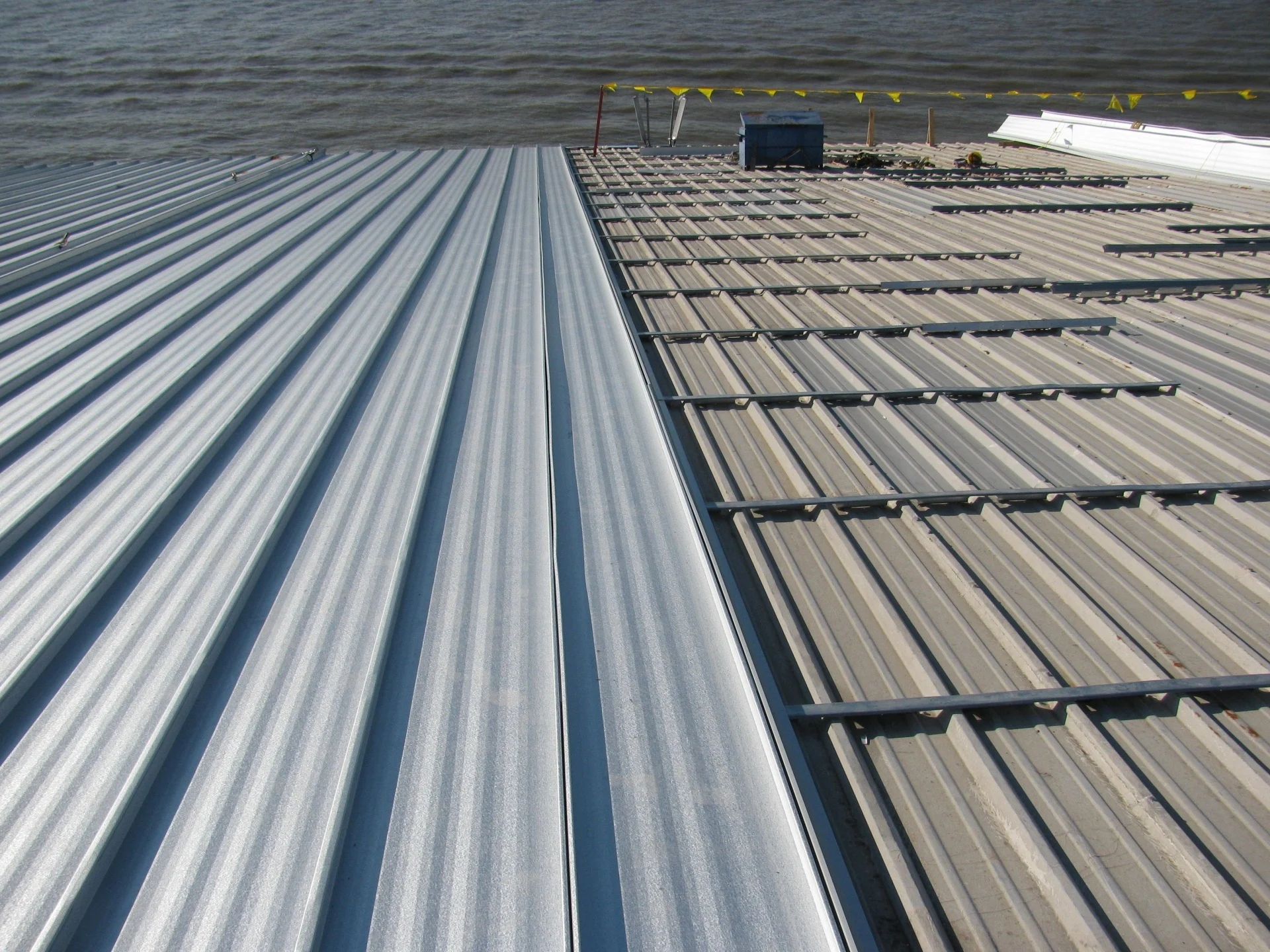
Commercial Re-Roofing in Denver, CO
Commercial Re-Roofing for commercial buildings across Denver.