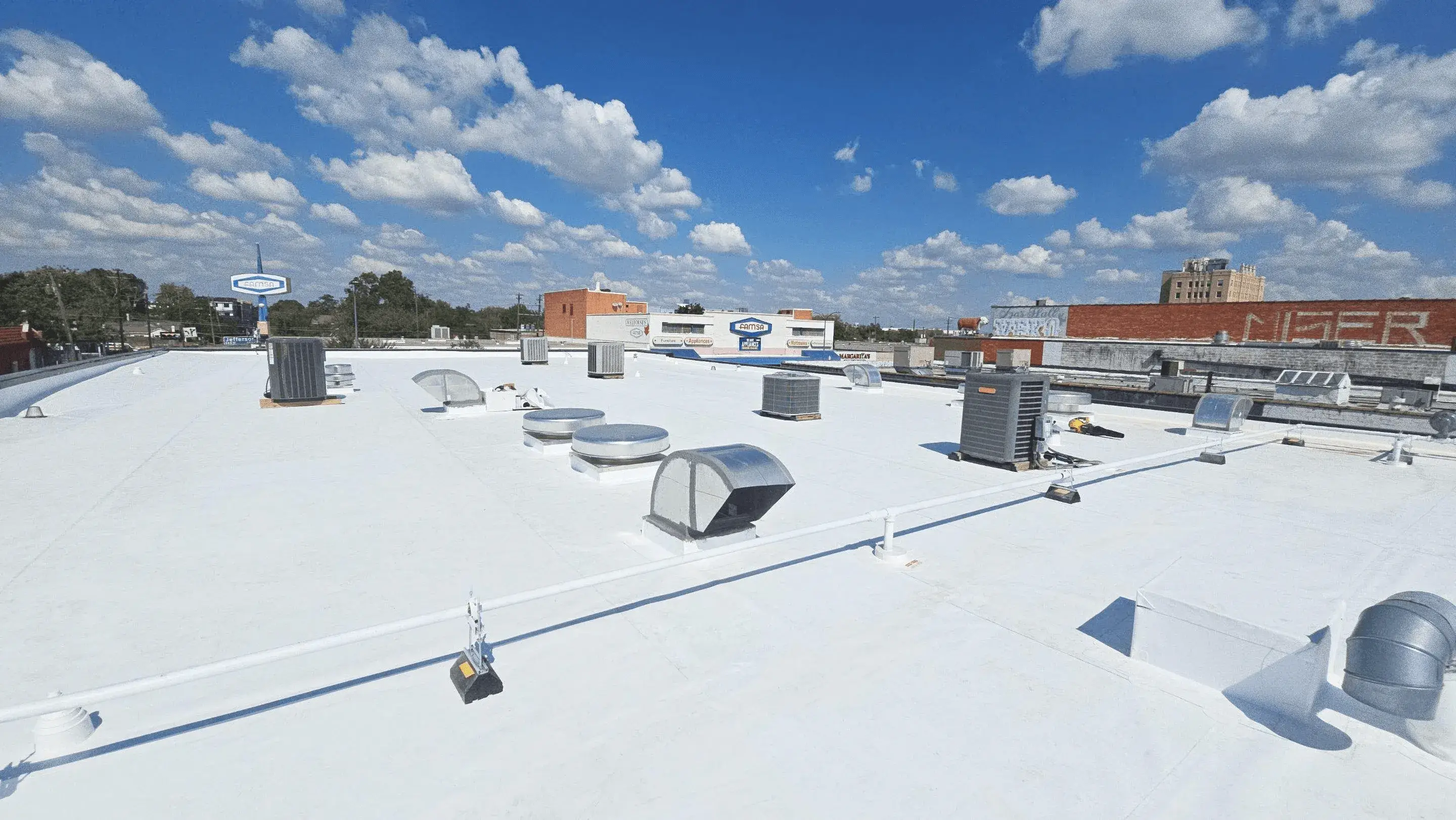
Pre-Construction: Permits, Mobilization, and Tenant Notification
Pre-construction planning, permits, tenant notification, production sequencing, and closeout packages for Denver commercial roof replacement - including hail-season scheduling, snow-load compliance documentation, and City and County of Denver permit coordination.
The installation is the shortest part of a commercial roof replacement. Pre-construction planning - permits, mobilization, tenant notification, hail-season scheduling - and a complete closeout package are what separate a replacement that holds up from one that creates problems for the next decade.
We treat pre-construction planning and closeout documentation as non-negotiable components of every replacement project. These are the elements that determine whether the manufacturer warranty is valid when the owner needs it, whether the building's next facility manager understands what system is on the roof and what its rated hail-resistance is, and whether the project created goodwill or friction with the tenants in the building.
Denver adds specific complexity that other markets do not face. City and County of Denver commercial roof permits require a complete application package - system specification, load calculations, energy code compliance documentation, impact-resistance specification - and review timelines run 10 to 15 business days during active construction periods. The hail season from May through August requires strict same-day dry-in discipline on any open section. The LoDo Historic District and Lower Downtown Denver require permit review by the Denver Landmark Preservation Commission for any building that alters the roofline or visible parapet.
Permits: We submit the building permit application to the City and County of Denver - or to Aurora, Lakewood, Englewood, or the relevant municipality - with the full construction document package at contract signing. The package includes the system specification, product data, fastener pattern calculation, snow load compliance documentation (Denver's 30 psf ground snow load), energy code compliance, and impact-resistance specification with the FM 4470 or UL 2218 rating. We account for the full review timeline in the project schedule - if a Denver permit takes 12 business days to issue, the project schedule reflects that.
Mobilization plan: We produce a written mobilization plan covering material delivery staging, crane or hoist location with outrigger pad requirements, dumpster placement and permit (Denver requires a right-of-way permit for on-street dumpster placement), and parking displacement for the building's tenants. On LoDo and Union Station-area projects, we coordinate with the Union Station neighborhood district management and confirm crane swing radius clearances well before mobilization. On Anschutz Medical Campus-adjacent buildings in Aurora, pre-construction coordination with hospital facilities management establishes equipment exclusion zones and access schedules.
Tenant notification: We draft the tenant notification letter and distribute it through the building's property management team at least 14 days before production start. The letter covers: production start date, expected duration, what tenants will experience (noise, crane presence, material handling above their space), how emergency access is maintained, and a contact name and number for tenant concerns. We issue a second notification 48 hours before start and a same-day notice when production sequence moves to a new building zone.
Production Sequencing - Dry-In, Hail Season, and Safety
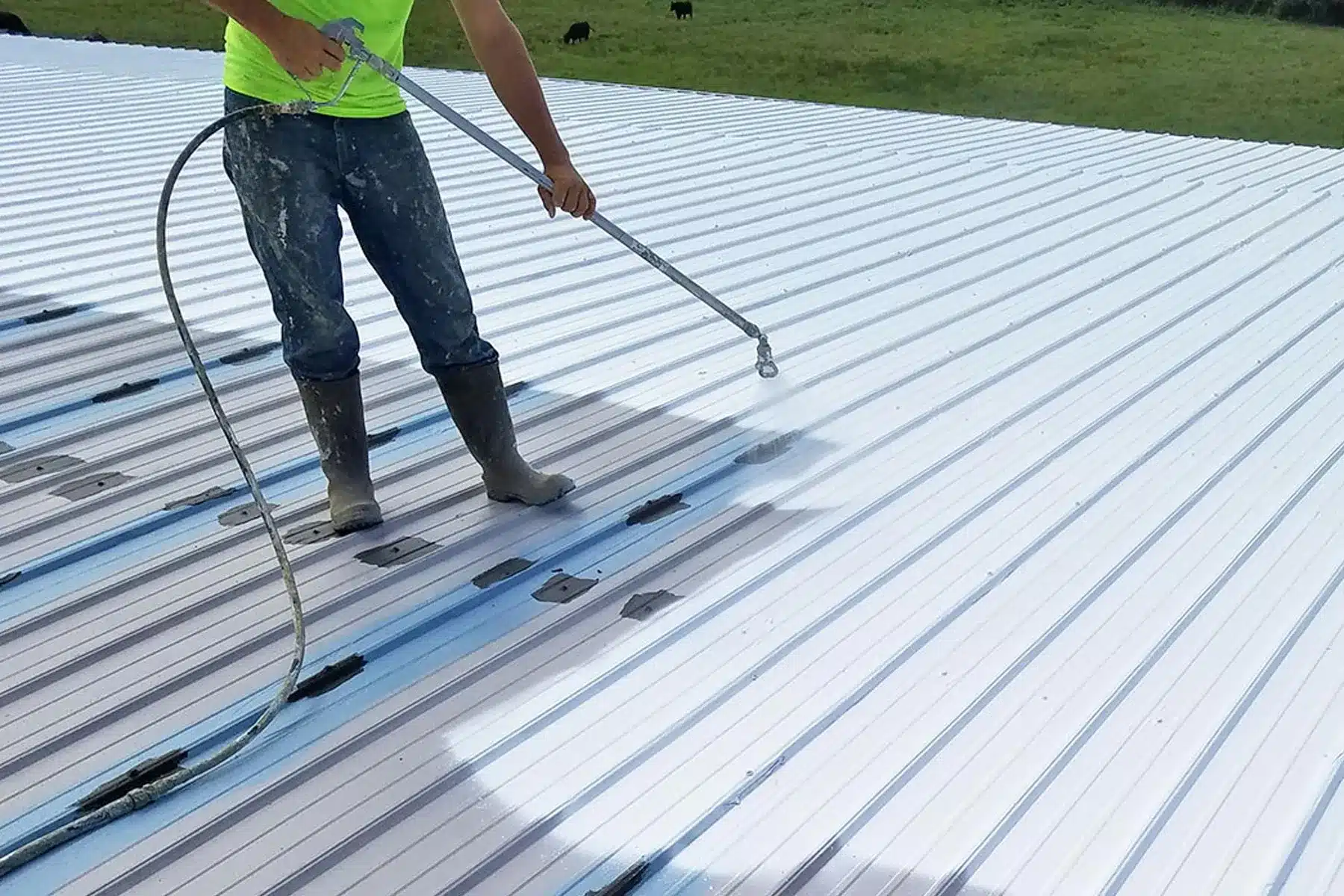
Production sequencing follows a section-management approach: we tear off and dry in each section on the same day. No section is left open overnight during Denver's hail season from April through September. This is not a preference - it is a hard requirement in a market where a documented 2-inch hail event can occur on any afternoon from May through August across any Denver metro zip code. Section size is set by the crew's realistic same-day production capacity - typically 5,000 to 8,000 sq ft per day on a standard flat-roof replacement, less when deck replacement or complex flashing work is in the zone.
Afternoon storm discipline: Denver's spring and summer afternoon thunderstorm pattern - driven by orographic lift as storm cells move off the foothills - means that tear-off after 11:00 AM on storm-risk days requires active weather monitoring and a ready dry-in plan. We maintain a weather monitoring protocol during hail season and establish a per-day maximum tear-off area that can be dried in by 2:00 PM if afternoon storms develop. On days with elevated storm probability, we reduce the open section rather than risk interior exposure.
Membrane weld quality at altitude: TPO hot-air weld consistency is affected by Denver's lower atmospheric pressure relative to sea-level markets. We calibrate welding equipment at the start of each project to the altitude-adjusted parameters and verify weld quality with the same seam-probe protocol we use at sea level. This calibration step is a quality control requirement in this market, not an optional check.
Closeout Package - What the Building Owner Needs at the End
The closeout package is the project's permanent record. It is what the manufacturer's warranty inspector reviews when there is a claim, what the building's next owner's due diligence team examines at acquisition, and what the facility manager's successor uses to understand what system is on the roof and what its rated performance is.
Our standard Denver closeout package includes: the manufacturer's warranty document (signed, with registration number that allows online verification), the roof zone diagram (to-scale with zones labeled, drains marked, all penetrations documented, and all photos keyed to plan locations), the project specification and product data sheets for every material installed, the fastener pattern and wind-uplift calculation record, the insulation R-value documentation for energy code, the impact-resistance certification (FM 4470 Class 1 or UL 2218 Class 4 certificate for the installed assembly), the snow load compliance documentation, the Denver building permit and inspection sign-off, and the first-year maintenance schedule.
We deliver the closeout package digitally within seven business days of the manufacturer warranty inspection and in hard copy on request. We also submit the warranty registration to the manufacturer at project completion - we do not leave that step for the owner to remember to do six months later.
Frequently asked questions
How long does permitting take for a commercial roof replacement in Denver?
City and County of Denver commercial building permits for roof replacement currently run 10 to 15 business days from complete-application submission during normal volume periods, and longer during high-construction-activity quarters. We submit at contract signing and set the production start date based on the actual permit issue timeline. On LoDo Historic District projects that require Denver Landmark Preservation Commission review, we add an additional review period to the schedule.
What happens if hail comes during my Denver roof replacement?
Our hail-season protocol requires that every open section is dried in before the end of the workday. If hail is forecast, we limit tear-off to the section we can realistically dry in before the storm arrives, and we maintain a standing emergency dry-in crew. If a hail event occurs while any section is open, we assess the impact on the exposed substrate and deck before proceeding with installation - we do not install membrane over a section that has sustained hail damage to the deck without documenting and resolving the damage first.
Do you handle the manufacturer warranty inspection, or does the owner?
We coordinate the manufacturer warranty inspection - scheduling the manufacturer's field representative, accompanying them on the inspection, and managing any deficiency corrections before the warranty is issued. The owner does not manage that process. At closeout they receive the executed warranty document with registration number and the impact-resistance certification - not a promise that documentation will be filed at some later point.
Planning a roof replacement on a Denver commercial building?
Our project managers will walk the roof, produce the replacement scope, and walk you through the full project plan - permits, mobilization, hail-season scheduling, production sequencing, and closeout - before you commit to a contract.
| Scope Format | Written roof plan and photo record |
|---|---|
| Primary Market | Denver commercial buildings |
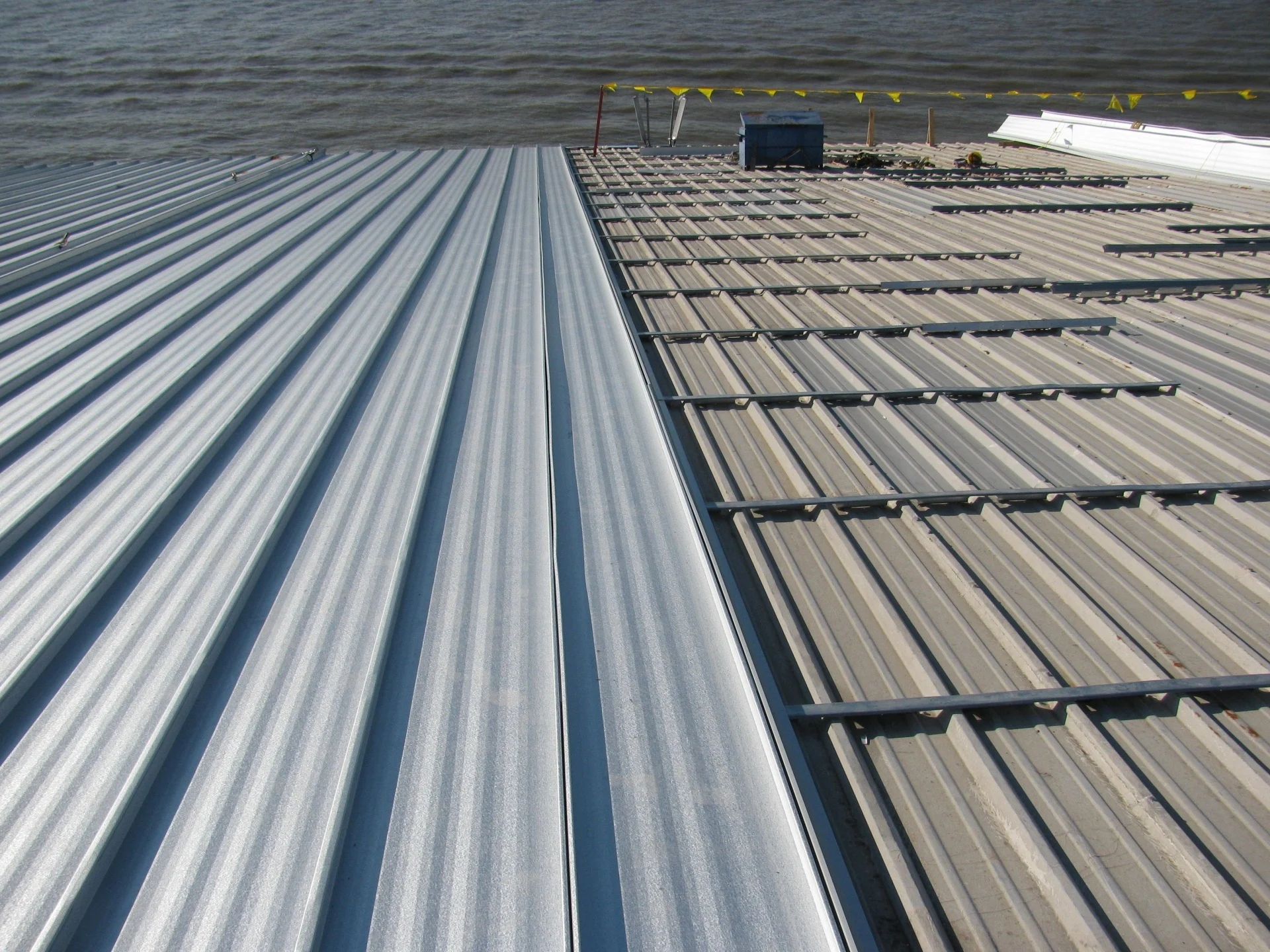
Commercial Re-Roofing in Denver, CO
Commercial Re-Roofing for commercial buildings across Denver.