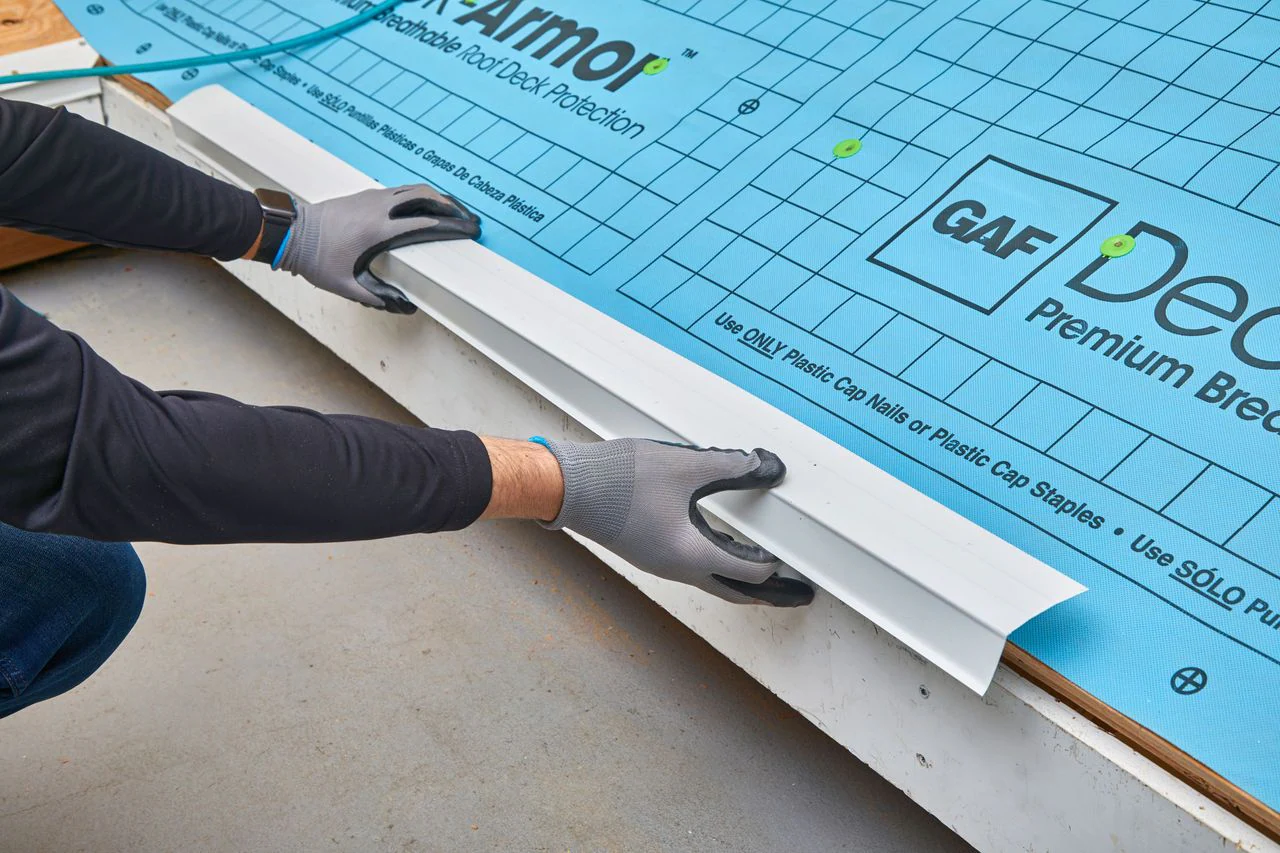
Curb Flashing Rebuild
Commercial skylight leak repair and glazing replacement for Denver flat-roof buildings - curb flashing rebuild, hail-damaged and UV-degraded glazing replacement, and permanent weathertight seal verification for Colorado's hail belt and altitude UV environment.
Most Denver commercial skylight leaks are not glazing failures - they are flashing failures at the curb, accelerated by Colorado's freeze-thaw cycling and high-altitude UV. We identify which component failed, repair or replace it, and verify the assembly with a water test before we demobilize.
Commercial skylights on Denver flat-roof buildings - common in retail, restaurant, and mixed-use construction from the 1990s forward, and increasingly present in the adaptive reuse projects converting older warehouse buildings in RiNo and the South Platte corridor - present a repair challenge unique to Colorado's climate. The skylight is a composite assembly of framing, glazing, and curb flashing, and leaks can originate from any of the three components or from their interfaces. Each failure mode looks different, requires a different repair, and is driven by different environmental conditions.
The most common source of commercial skylight leaks in Denver is the curb flashing - the roofing membrane that transitions from the horizontal roof field up the vertical face of the skylight curb and terminates under the skylight frame. This flashing fails through separation at the termination, membrane shrinkage under Denver's wide daily temperature swings, and UV degradation of the sealant at the frame-to-flashing interface. It fails at a higher rate than field membrane because skylights create thermal bridges, concentrate heat, and typically face south or west for maximum daylighting - the same exposures that receive maximum UV loading at altitude.
Glazing failures in Denver have an additional dimension that does not apply in most other US markets: hail impact. Flat acrylic and polycarbonate panels on Denver commercial buildings are directly in the path of Colorado's May through August hail season. A panel that is structurally degraded from UV exposure becomes susceptible to fracture at stone sizes that a new panel would survive. At altitude, UV stabilizers in acrylic are consumed faster than manufacturers' sea-level service-life tables predict, which means Denver glazing typically reaches the vulnerability threshold earlier than building owners expect.
A curb flashing rebuild strips the existing base flashing from the curb face, cleans and primes the curb substrate, and installs new membrane flashing in accordance with the roofing system manufacturer's curb detail. On TPO systems, the base flashing is heat-welded to the field membrane at the curb base and mechanically terminated at the top of the curb face under the skylight frame. On EPDM systems, the base flashing is bonded with EPDM adhesive and terminated with a metal counterflashing tucked under the frame.
The frame interface is the most critical part of the curb flashing repair in Denver's climate. The gap between the skylight frame's base and the curb flashing termination must be sealed with a sealant that is both compatible with the membrane and flexible enough to accommodate the thermal movement of the skylight frame across Denver's full daily and seasonal temperature range. Aluminum skylight frames on Denver buildings move significantly over a summer-to-winter temperature range - a rigid caulk fails at this joint within two or three seasons of Colorado freeze-thaw cycling. We use manufacturer-specified flexible sealants at frame interfaces and document the product in the repair record.
On multi-unit skylight installations - common in shell retail buildings across the Denver metro and in the big-box format buildings along Colfax and I-70 - we assess all units during a single mobilization. Units that share flashing runs often show progressive failure, so repairing one unit while leaving adjacent units in marginal condition typically produces a callback within one Colorado winter.
Glazing Replacement
Flat skylight glazing replacement on Denver commercial buildings typically involves acrylic (the original glazing on most pre-2005 installations), polycarbonate (specified more frequently after 2005 for superior impact resistance and longer UV stabilization life at altitude), or tempered glass (specified on installations where occupancy or insurance requires an impact rating). Denver's hail exposure makes glazing specification a genuine decision with financial consequences.
Flat acrylic panels are susceptible to fracture from stones above 1.5 inches - a stone size Denver sees regularly in peak season. We have replaced acrylic panels on buildings along the I-225 corridor and in the DTC after storms that left the field membrane intact but fractured multiple skylight panels. Polycarbonate panels rated to FM 4881 - the Factory Mutual hail impact standard for skylight glazing - are the defensible specification for new glazing in the Denver metro, and some Colorado commercial property policies apply premium credits for impact-rated glazing, consistent with the broader Class 4 impact-resistance discount programs available in the state.
Glazing panel replacement on curbed commercial skylights requires removing the skylight frame's retaining bars, extracting the failed panel, inspecting and reseating the glazing gasket, installing the new panel, and reseating the retaining bars to the manufacturer's specified torque. We do not seat replacement glazing without inspecting the gasket - a compressed or deteriorated gasket that is not replaced with the glazing produces a new leak at the frame within the first Denver rain or snowmelt event after installation.
Restoring a Weathertight Seal
The completed skylight repair - whether flashing rebuild, glazing replacement, or both - gets a water test before we demobilize. We flood the curb for fifteen minutes and verify no water entry at the frame-to-flashing interface, the glazing gasket, or the retaining bar line. This is not optional in Denver's market. Skylight leaks in occupied commercial space produce significant disruption, and a leak that appears during the next snowmelt event in a roof that we left without verification creates questions that a water test before demobilization prevents entirely.
For buildings where skylights serve as primary daylighting in tenant spaces - common in the retail and restaurant buildings along 16th Street Mall, in Cherry Creek North, and in the restaurant-heavy RiNo and LoHi corridors - we coordinate skylight repair around tenant operating hours. Weekend and overnight repair schedules are available for tenants who cannot have the work done during business hours.
Frequently asked questions
How do I tell if my Denver skylight is leaking at the frame or through the glazing itself?
The simplest test is to hose water on the glazing panel only - not the curb or frame - and wait fifteen minutes. If no leak appears, the glazing is intact and the source is at the curb or frame. If water appears, the glazing has a failure. We run this test as part of every skylight diagnostic, and it is the fastest way to separate the two failure modes before we pick up tools.
My skylight glazing is not leaking but it has yellowed. Do I need to replace it?
Yellowing means the UV stabilizers in the acrylic have been consumed - a condition that reaches the visible threshold faster on Denver buildings than on lower-elevation installations. The panel is now more brittle and susceptible to fracture under hail impact. It may not be leaking today, but its structural reserve has been reduced, and Denver's hail season is not a theoretical future event. We document yellowed glazing in inspection reports as a monitor-and-plan item, with replacement typically budgeted within two to three cycles.
Can I replace acrylic glazing with polycarbonate or glass?
Often yes, but the frame has to be capable of supporting the different weight and thermal expansion characteristics of the new material. We assess the existing frame before specifying glazing material and advise when the frame would need modification to support a material change. Given Denver's hail exposure, the upgrade from acrylic to FM 4881-rated polycarbonate is frequently the right decision when the frame can accommodate it.
Is skylight repair covered by a commercial roof warranty?
Membrane manufacturer warranties typically cover the curb flashing as part of the warranted assembly. Glazing and frame components are usually outside the membrane warranty and would fall under the skylight manufacturer's warranty, if one is still active. We clarify which components are under which coverage before starting any repair so there are no surprises at invoicing.
| Scope Format | Written roof plan and photo record |
|---|---|
| Primary Market | Denver commercial buildings |
Commercial Re-Roofing in Denver, CO
Commercial Re-Roofing for commercial buildings across Denver.