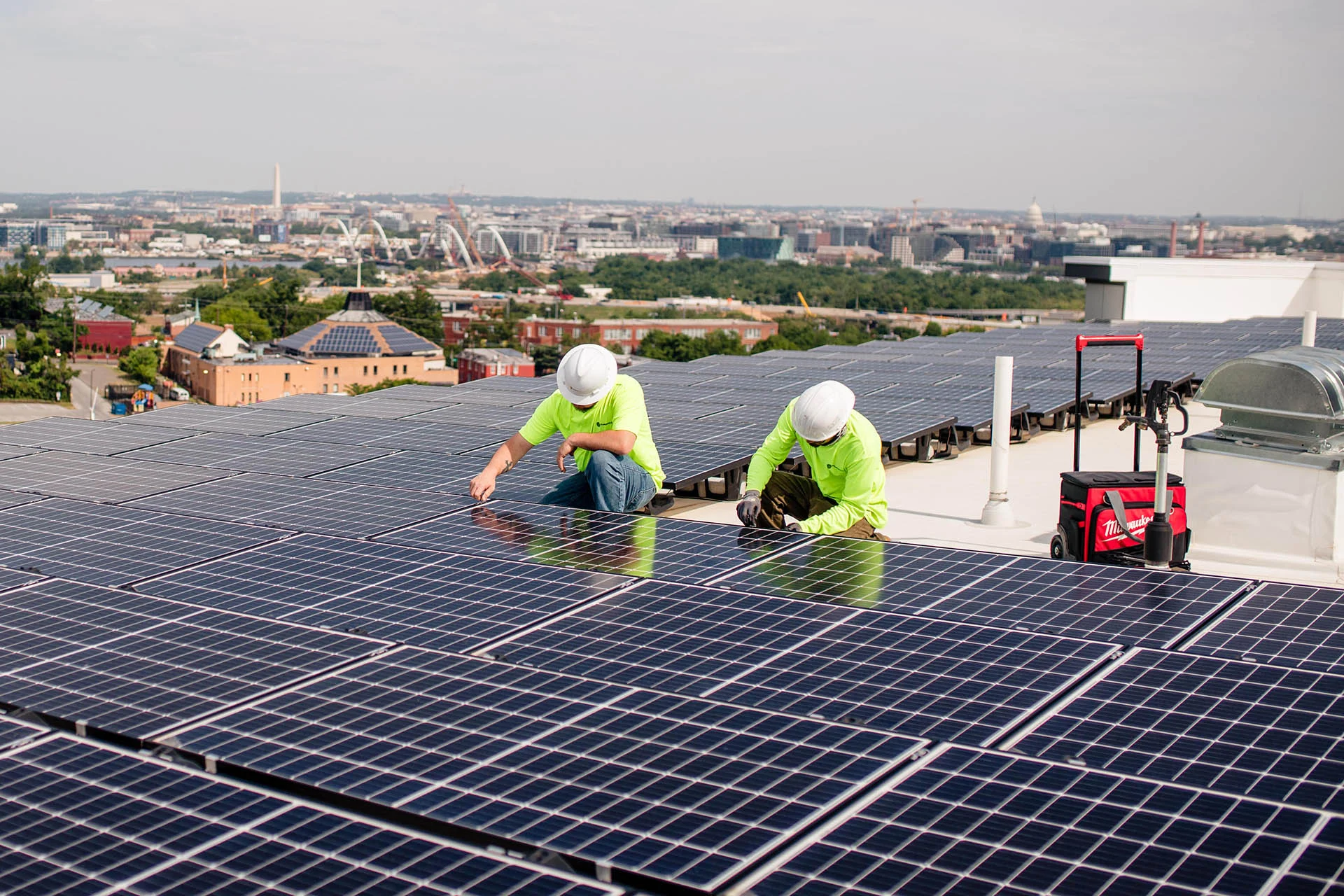
The Roof Has to Outlive the Array
We handle the roofing side of commercial solar in Denver, CO: PV racking penetrations, membrane compatibility, ballast and snow-load math, wind uplift, and keeping both warranties intact.
Every rooftop solar conversation we join in Denver eventually comes down to one number: how many years are left in the membrane the panels are about to sit on. A commercial PV system is designed to produce for two and three decades. Bolt or ballast that system onto a roof with eight years left and you have quietly committed yourself to a detach-and-reset job down the road that can run into five figures on its own. We are the roofers in that room, not the panel salesmen, so when we tell you the existing assembly is fine to build on or that you should reroof first, there is no solar commission riding on the answer.
Most of the buildings calling us about solar are the wide, flat-roofed kind that fill the Stapleton-turned-Central Park redevelopment, the flex and office product up and down the Denver Tech Center corridor along I-25, and the distribution boxes lined up around Denver International Airport and out along Pena Boulevard. Those acre-sized low-slope roofs are exactly what makes commercial PV pencil here, and they are also where a careless install does the most expensive damage.
What We Inspect Before Anyone Talks Panels
Our first deliverable on a solar project is a written remaining-service-life read on the existing roof. We core the assembly where we need to, scan for trapped moisture, check seam and flashing condition, and look hard at the deck. That report drives the decision tree.
- Fifteen or more years of documented life left: build the array on the existing membrane with proper protection details.
- Seven years or fewer: reroof now, then set the array on a fresh, fully warranted system the same season.
- Somewhere in between: we price both routes against your capital schedule so the figure you approve reflects the whole lifecycle instead of just the cheapest install today.
Denver punishes guesswork here. At a mile of elevation the ultraviolet exposure is brutal on single-ply, and the Front Range cycles through roughly 90 to 110 freeze-thaw swings a year, prying at every seam and termination. A roof that photographs fine from the parking lot can be far closer to done than its owner believes, and the worst possible moment to discover that is after the inverters are humming.
Ballast Weight Versus a Mile-High Snow Load
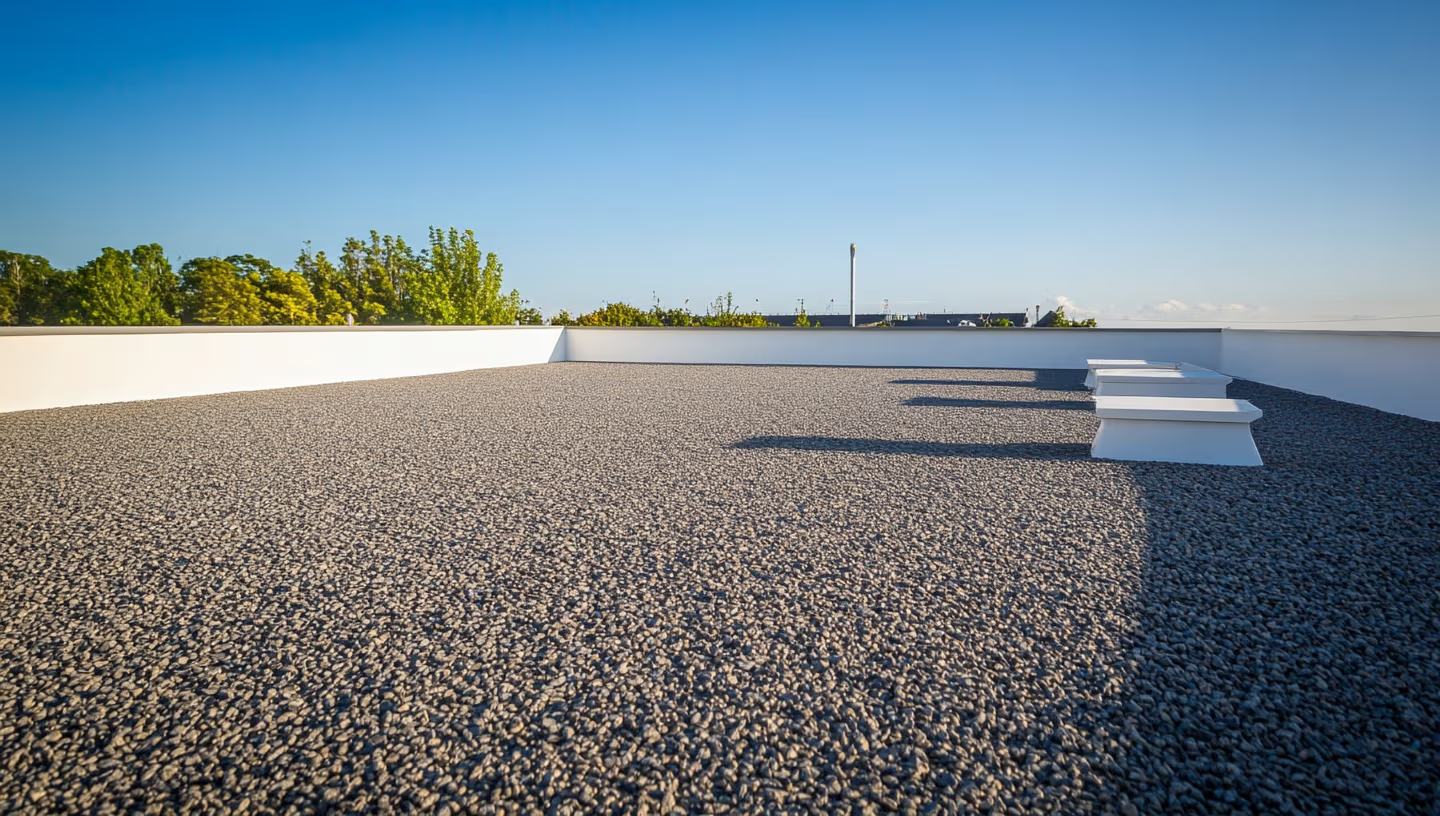
The default racking on a flat Denver commercial roof is ballasted: concrete blocks hold the array down, so nothing has to puncture the membrane. Fewer holes, fewer leak paths, lower risk. The trade is dead weight. Ballast can add several pounds per square foot across the entire array footprint, and that load lands on a structure that is already carrying the metro's roughly 30-pound-per-square-foot design snow load. Stack the two and an older deck can run out of margin.
This is not a place to eyeball it. A lot of the building stock in River North and along the Santa Fe Drive arts district was framed to lighter loading than current code expects, so we route ballast weight to the structural engineer of record for sign-off before any blocks get ordered. When the structure cannot absorb the ballast, or the slope rules ballast out entirely, the racking gets mechanically anchored instead, and every anchor becomes a penetration we have to detail.
Penetrations and the Chinook Problem
Anchored rack feet and the conduit runs carrying DC power down to the building service both break the membrane plane, and we treat each one as a roof penetration with manufacturer-approved boots or curbs, correct flashing, and warranty coverage written in. The wreckage we keep finding on jobs where a solar crew worked with no roofing coordination is always the same: conduit screwed flat to the membrane with no standoffs, sawing at the surface every time the wind shifts it, capped off with hardware-store rubber boots that split within two winters.
Wind is the other governing factor. The downslope Chinook events that roll off the foothills drive sustained gusts well past 60 miles per hour, and a rooftop array is a big aerodynamic sail. Ballasted layouts have to be weighted and set back from the roof edge to resist that uplift; anchored layouts have to be engineered to it. The panel arrangement, the perimeter setback, and the ballast distribution all feed one uplift calculation, which is exactly why we want the racking plan in hand before the pallets of modules show up.
Not Every Membrane Belongs Under Solar
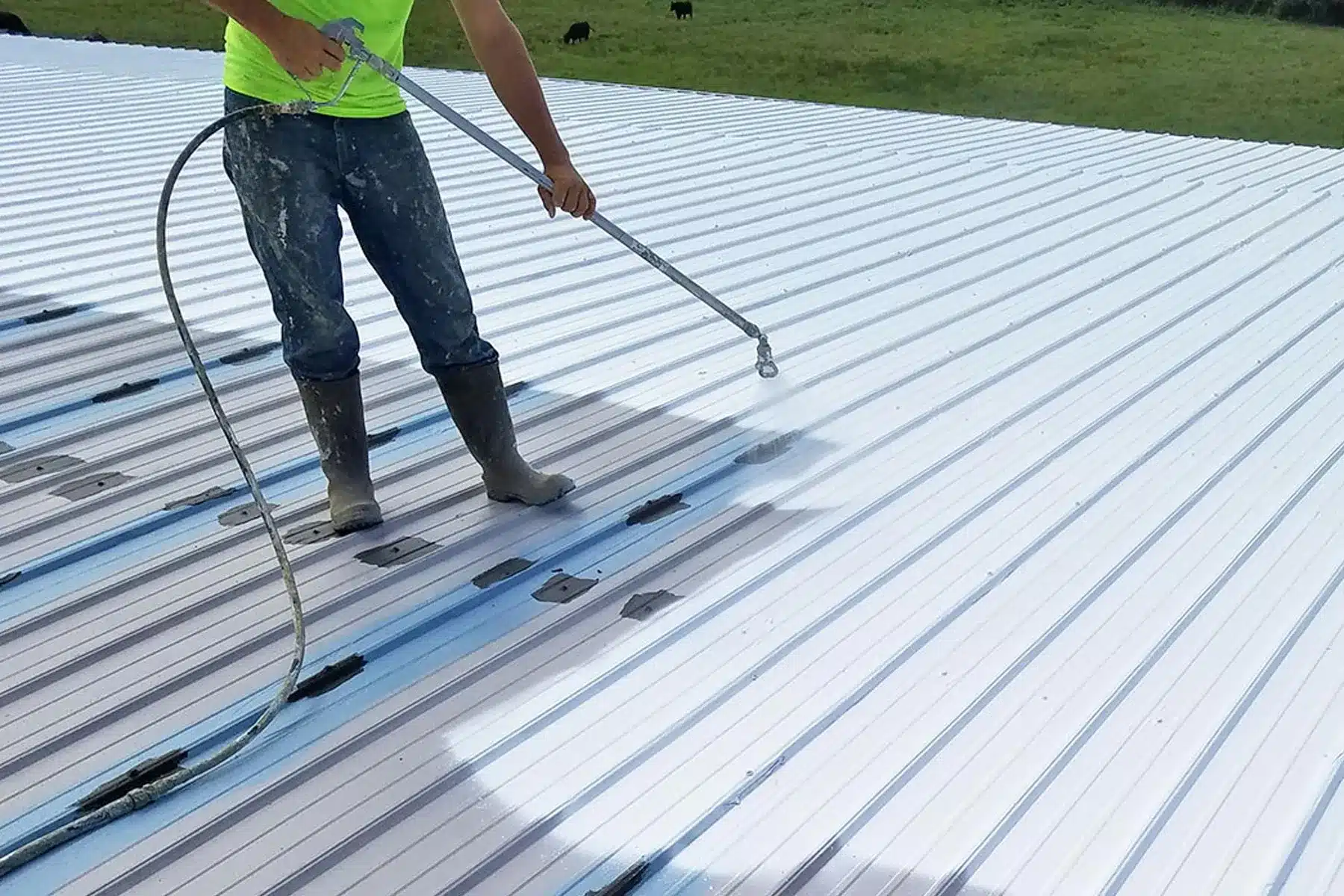
Our standing recommendation for a Denver solar roof is a white 60-mil TPO or 60-mil PVC system. The reflective surface keeps the deck cooler under the modules, and since panel output falls as cell temperature rises, a cool white roof literally helps the array earn more. Mechanically attached single-ply gives ballasted racking a flat, uniform field to rest on; a fully adhered system is the move where weight limits kill ballast outright. Aged EPDM and modified-bitumen roofs get a harder look, because surface condition and chemical compatibility both affect how racking and walk pads can sit on them.
Keeping Two Warranties Alive at Once
A solar-plus-roof project runs on two warranties simultaneously: the membrane manufacturer's and the solar equipment manufacturer's. The major single-ply makers will warrant a roof carrying an array, but only on their terms, and the terms are specific.
- Approved ballast pads and walkway protection on every path crews and service techs use.
- Approved penetration details for each anchored foot and conduit stub.
- A pre-installation review by the manufacturer's field representative.
- Correct sequencing, with the membrane down and inspected before any racking lands.
We run and document that warranty review, and we sit down with your solar EPC for a pre-construction coordination meeting to lock the install order, conduit routing, penetration details, and the joint final inspection both warranties demand. Skip that meeting to save a few days on the calendar and you can void a twenty-year membrane warranty for the trouble.
Why the Demand Here Is Real
Denver owners are not chasing rooftop solar on a whim. The federal investment tax credit, Xcel Energy's commercial and net-metering programs across the Front Range, and the simple arithmetic of generating power on a mile-high site with better than 240 sunny days a year all push the math in the same direction. The distribution stock near the airport, the office and flex space in the Tech Center, and the rebuilt industrial buildings in Central Park and RiNo all wear the broad, low-slope roofs that make commercial PV viable. Our role is to make sure the roof beneath that investment can hold it for the array's entire life, not just its first year.
Common Questions About Solar Roof Integration
Reroof first or mount on what we have?
It hinges on remaining membrane life. With fifteen-plus years left, build on the existing assembly. With seven or fewer, reroof first, because pulling and resetting an array during a later tear-off costs more than reroofing today. We hand you that assessment in writing before you commit either direction.
| Scope Format | Written roof plan and photo record |
|---|---|
| Primary Market | Denver commercial buildings |
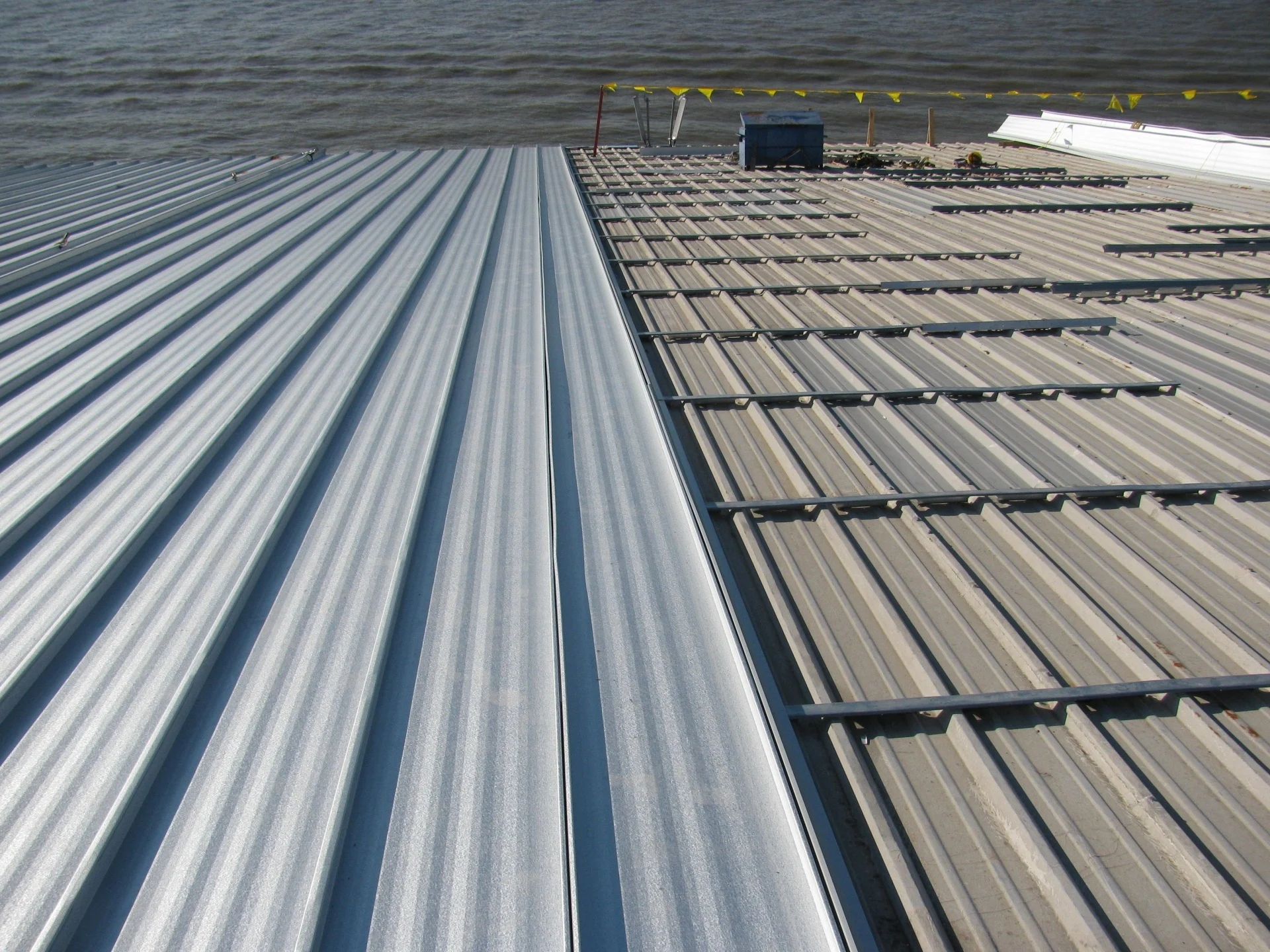
Commercial Re-Roofing in Denver, CO
Commercial Re-Roofing for commercial buildings across Denver.