Frequently asked questions
Commercial roofing for manufacturing plants, assembly facilities, and industrial buildings throughout Denver, CO.
Denver's manufacturing sector has diversified well beyond its legacy food and beverage roots, with aerospace components, medical devices, and advanced electronics manufacturing now sharing the Front Range industrial corridor with established processors like Leprino Foods - the world's largest mozzarella producer, with a major manufacturing facility in Denver that exemplifies the food processing and industrial manufacturing roofing challenges common across the metro. Commercial roofing for Denver manufacturing plants must address the unique combination of high-altitude UV intensity, dramatic temperature swings, hail exposure, and the process-specific requirements of each facility type.
High-altitude UV radiation in Denver degrades roofing membranes faster than at sea level. The roughly 20 percent increase in UV intensity at Denver's mile-high elevation accelerates oxidation of unprotected asphalt systems and reduces the service life of lower-grade membranes. We specify UV-stabilized TPO or PVC membranes with minimum 60-mil thickness on Denver manufacturing roofs, and we avoid uncapped modified bitumen unless a granule-surfaced cap sheet is specified - bare smooth surfaces do not survive Denver UV exposure at acceptable service life targets.
Hail is a significant roofing hazard along the Front Range. Denver averages more hail days per year than virtually any other major U.S. metro, and manufacturing facilities with large flat roof areas absorb the full impact of hailstones that can reach golf ball size or larger in severe storms. We specify Class 4 impact-resistant membrane systems on Denver manufacturing roofs wherever the facility's loss history or insurance carrier requirements support the upgrade, and we document the specification for insurance premium purposes.
Temperature swings in Denver are among the most extreme of any major U.S. city. A single January day can swing from below zero at dawn to 60°F by afternoon, subjecting roofing membrane systems to contraction and expansion cycles that fatigue lap seams and flashing terminations. Two-layer polyisocyanurate insulation with staggered joints provides thermal mass and reduces the rate of membrane temperature change, extending lap seam life on Denver manufacturing roofs.
Process equipment on Denver food processing and industrial manufacturing roofs varies widely. Large refrigeration condensers, industrial exhaust systems, and production ventilation equipment create concentrated load and penetration zones on manufacturing rooftops. We provide structural load documentation for all equipment curb placements and specify reinforced membrane details at high-equipment-density zones.
Fume and chemical exposure at Denver industrial facilities ranges from relatively benign food processing vapors to more aggressive chemical and solvent discharges from aerospace parts manufacturing. We assess the exhaust chemistry profile for each facility and specify membrane materials in exhaust discharge zones accordingly, using PVC or reinforced TPO where solvent exposure is identified.
Drain contamination concerns are relevant for Denver food processing facilities, where grease-laden stormwater from rooftop equipment discharge can create both maintenance and regulatory issues. We specify grease-resistant drain bodies and recommend secondary strainer baskets at primary drain locations on food processing roofs, with provisions for periodic cleaning documented in the preventive maintenance plan.
Production schedule coordination in Denver manufacturing facilities requires alignment with both production shifts and Denver's weather patterns. We plan outdoor work to avoid Colorado's afternoon summer thunderstorm windows and early-season snowstorm risk, phasing interior-accessible work zones for days when surface conditions are unsuitable for outdoor membrane installation.
Load bearing capacity is a concern on many of Denver's older manufacturing buildings, some of which were designed to older building codes with lower live load allowances than modern standards. We verify existing structural capacity before specifying insulation thickness upgrades or new equipment curb placements, flagging any reinforcement needs to the structural engineer before work begins.
Denver manufacturing facilities deserve a commercial roofing contractor who understands the compounding challenges of high altitude, severe weather, and industrial process requirements. Our Front Range team brings the climate knowledge and industrial expertise that Denver manufacturers need to protect their production assets year-round.
Can you repair a leaking BUR roof in Denver without full replacement?
Sometimes. If the leak is isolated to a failed flashing at a penetration or parapet - common on Denver BUR roofs where freeze-thaw cycling works parapet base flashings loose - and the BUR field membrane is in sound condition confirmed by core cuts, targeted repair is the right scope. If the leak is coming from failed plies in the field, repair at the visible leak point will produce another leak nearby within one to two winters as freeze-thaw expands the moisture path. We will tell you which situation you are in before recommending any scope.
How do you handle gravel removal on a BUR tear-off in Denver?
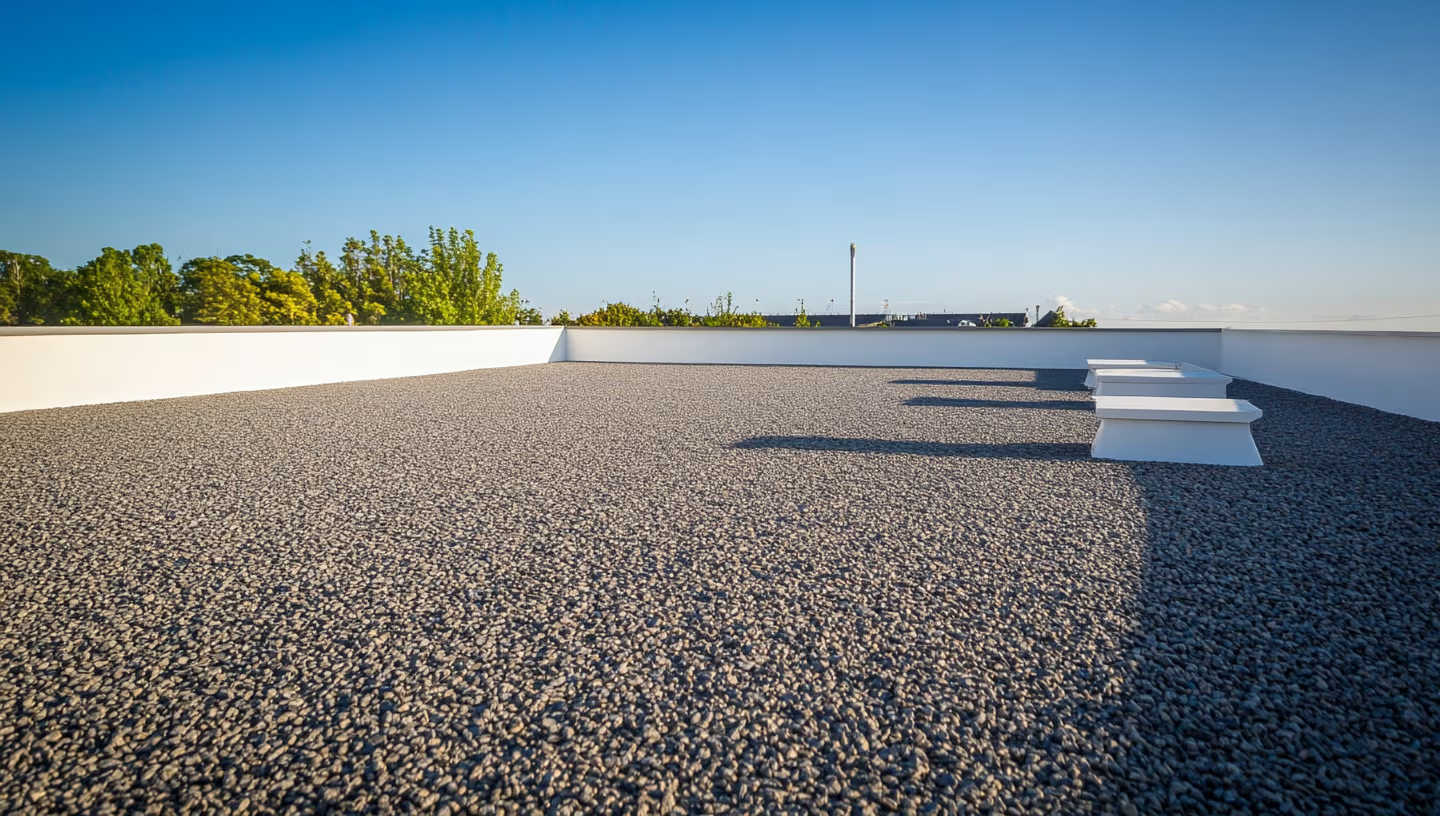
Gravel-surfaced BUR tear-off is labor-intensive and generates significant debris volume. On downtown Denver buildings with restricted site access - LoDo, the Golden Triangle, the 17th Street corridor - we use rooftop vacuum systems for gravel removal where dumpster placement is constrained by parking, street access, or neighbor proximity. Gravel is collected separately and coordinated for recycling at aggregate facilities when the owner's sustainability reporting requires documented diversion.
Is built-up roofing still installed new in Denver?
Rarely. New BUR has been largely displaced by SBS-modified bitumen, which achieves similar multi-ply performance with less installation complexity and without the hot-kettle and asphalt-fume exposure that creates complications in occupied urban Denver buildings. We can specify and install new BUR when a project requires it, but for most Denver commercial buildings, SBS modified bitumen or TPO with impact-rated cover board is the defensible recommendation for new work.
Aging BUR on a Denver commercial building?
We will walk the roof, pull core cuts, and produce a written assessment - replace vs. recover, with system options, installed cost bands, freeze-thaw and hail-resistance specifications, and warranty paths. No obligation.
| Scope Format | Written roof plan and photo record |
|---|---|
| Primary Market | Denver commercial buildings |
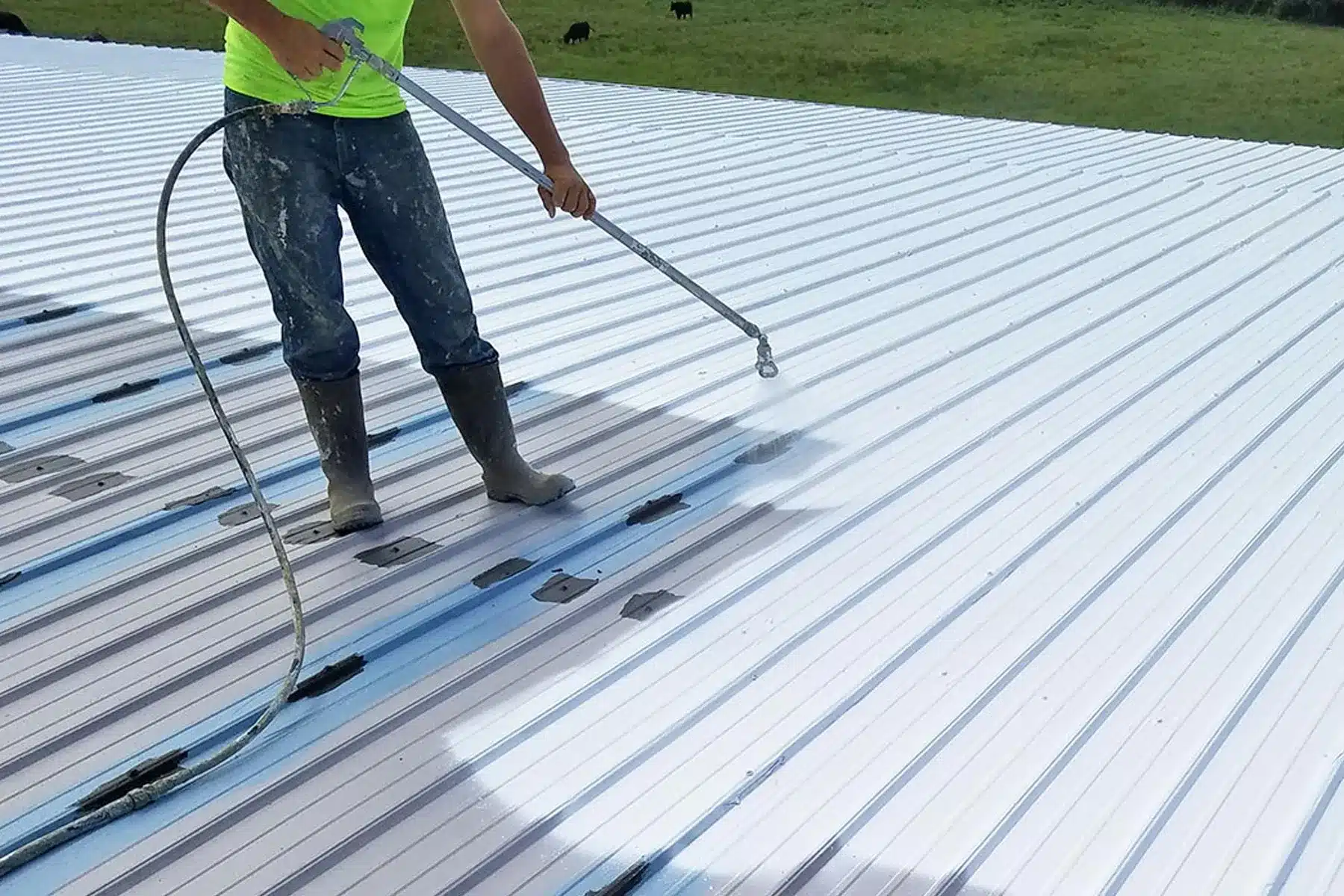
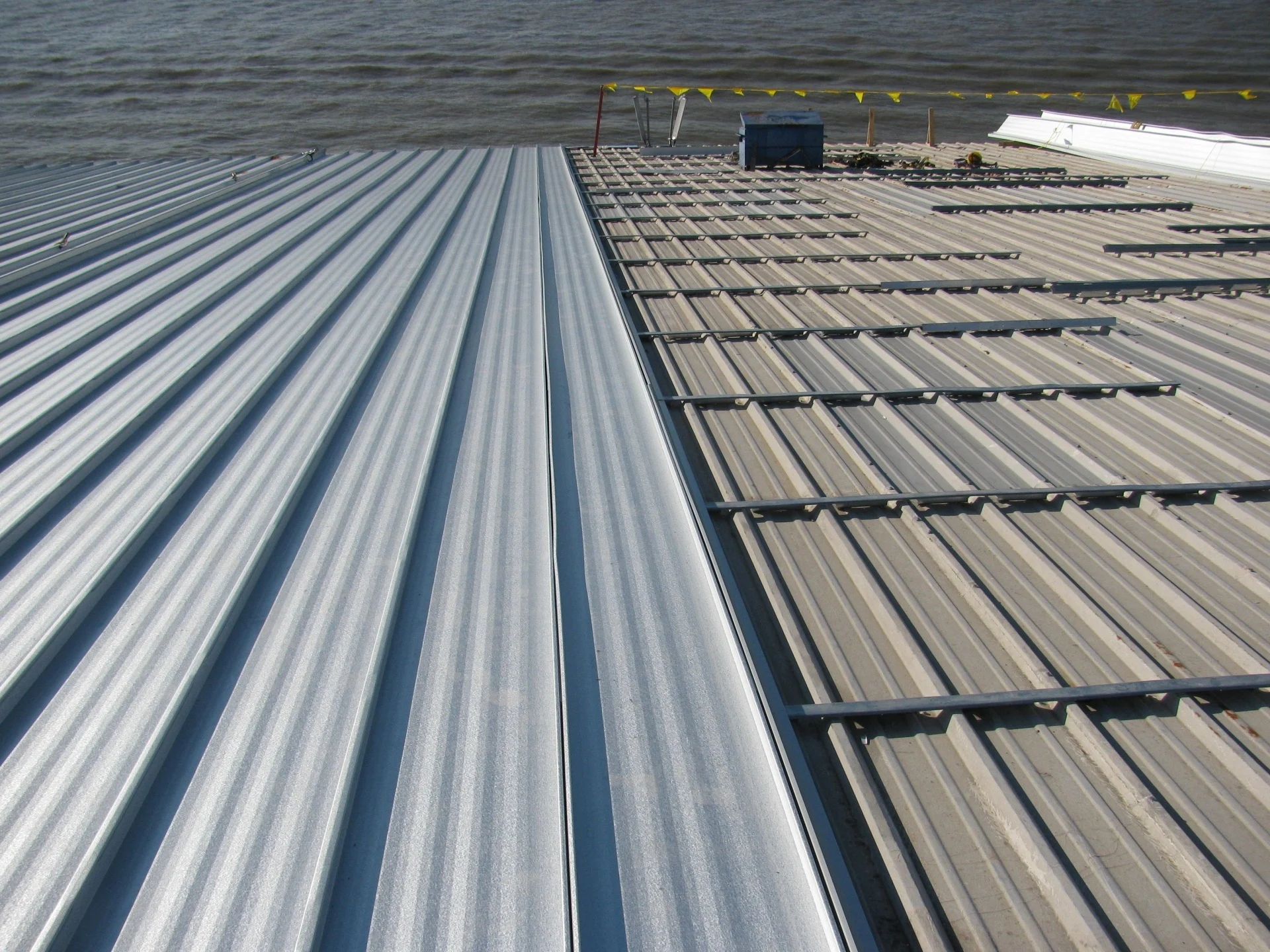
Commercial Re-Roofing in Denver, CO
Commercial Re-Roofing for commercial buildings across Denver.