Where Modified Bitumen Remains the Right Specification in Denver
Modified bitumen roofing installation and recover for Denver commercial buildings - torch-down and self-adhered SBS systems, where mod-bit remains the right specification and where single-ply has replaced it.
Torch-down and self-adhered modified bitumen on qualifying Denver commercial recover and replacement projects - with an honest accounting of where mod-bit remains the correct specification in 2024 and where single-ply has taken over.
Modified bitumen is not trying to compete with single-ply across the full Denver commercial market - and we do not represent it that way. Torch-down SBS and self-adhered mod-bit are the correct specification for a defined subset of Denver commercial buildings and situations. For everything else, single-ply is the better economic and technical decision. We install both. We also tell building owners which one fits their building when the honest answer points in one direction.
Torch-down SBS modified bitumen was the common membrane on Denver's smaller commercial buildings through the 1980s and 1990s - particularly the older retail corridor buildings on East Colfax Avenue, South Broadway, and the Highland and Jefferson Park commercial districts, and the mid-century commercial inventory in Capitol Hill and the Baker neighborhood. Many of these buildings ran two-ply torch-down systems over built-up roofing bases. The replacement cycle on this inventory is well underway, and on these specific buildings - small footprint, multiple penetrations, existing BUR base plies in recoverable condition - mod-bit recover is often the logical continuation rather than a system conversion to single-ply.
Self-adhered modified bitumen has become the preferred specification for Denver commercial buildings where hot-work permitting is burdensome or where the facility prohibits open-flame roofing operations - hospitals and healthcare facilities on the UCHealth and Denver Health campuses, occupied office buildings with sensitive electronic equipment on the floors immediately below the roof, and any building where the facility manager has a standing no-open-flame protocol. Self-adhered systems eliminate the torch entirely with comparable SBS performance.
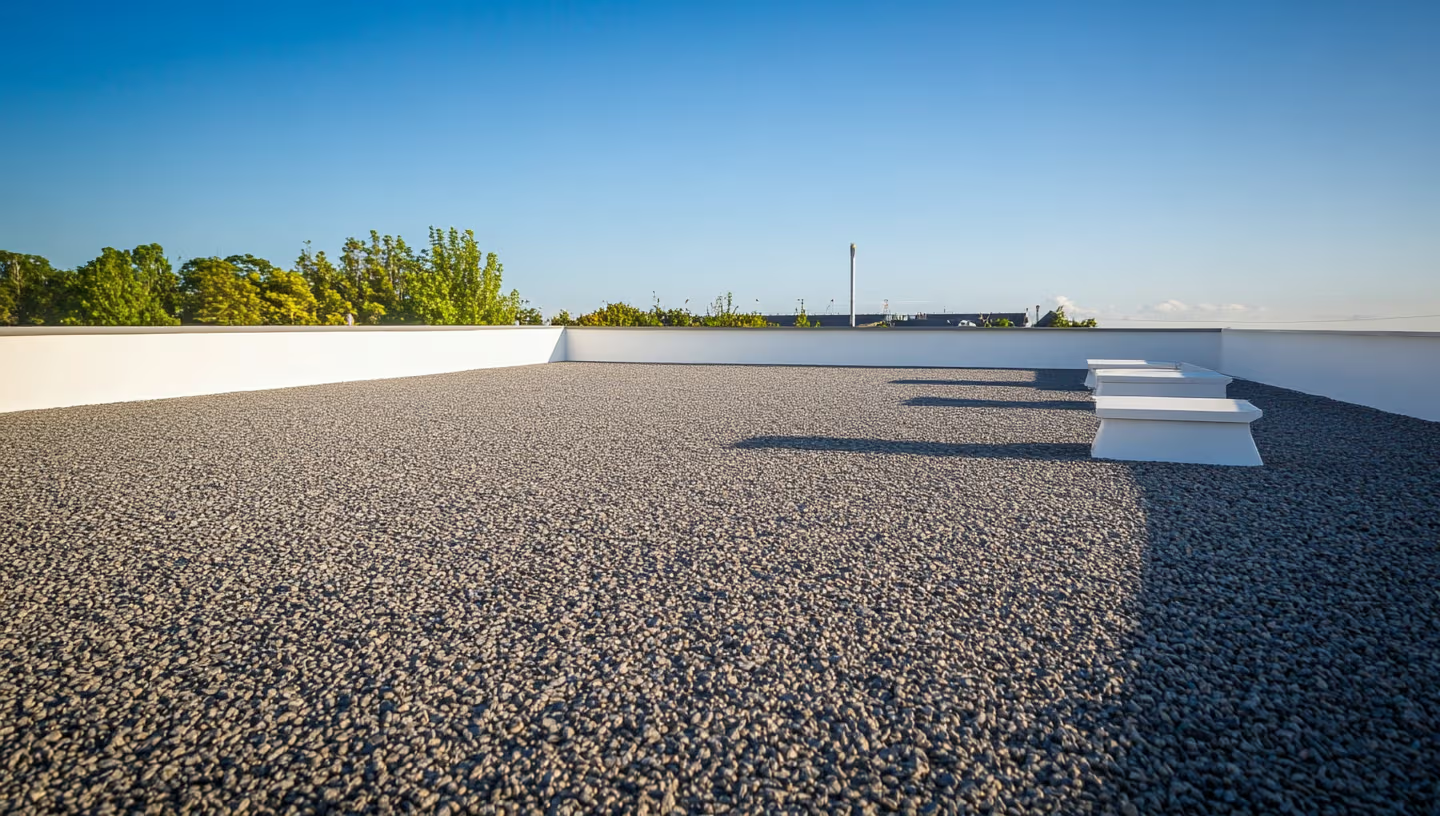
Recover over existing BUR on older Denver commercial inventory: Denver's pre-1980 commercial buildings on East Colfax, South Broadway, and the Capitol Hill and Baker corridors frequently carry original gravel-surface built-up roofing in conditions that, where core pulls confirm dry insulation, can accept a mod-bit recover rather than full tear-off. A new SBS granulated cap sheet over the existing gravel base with a leveling ply avoids full tear-off cost, preserves a functional base system, and extends life by 15 to 20 years at substantially lower capital cost than full replacement. This is a legitimate and appropriate use of modified bitumen that does not exist as a practical option on single-ply systems.
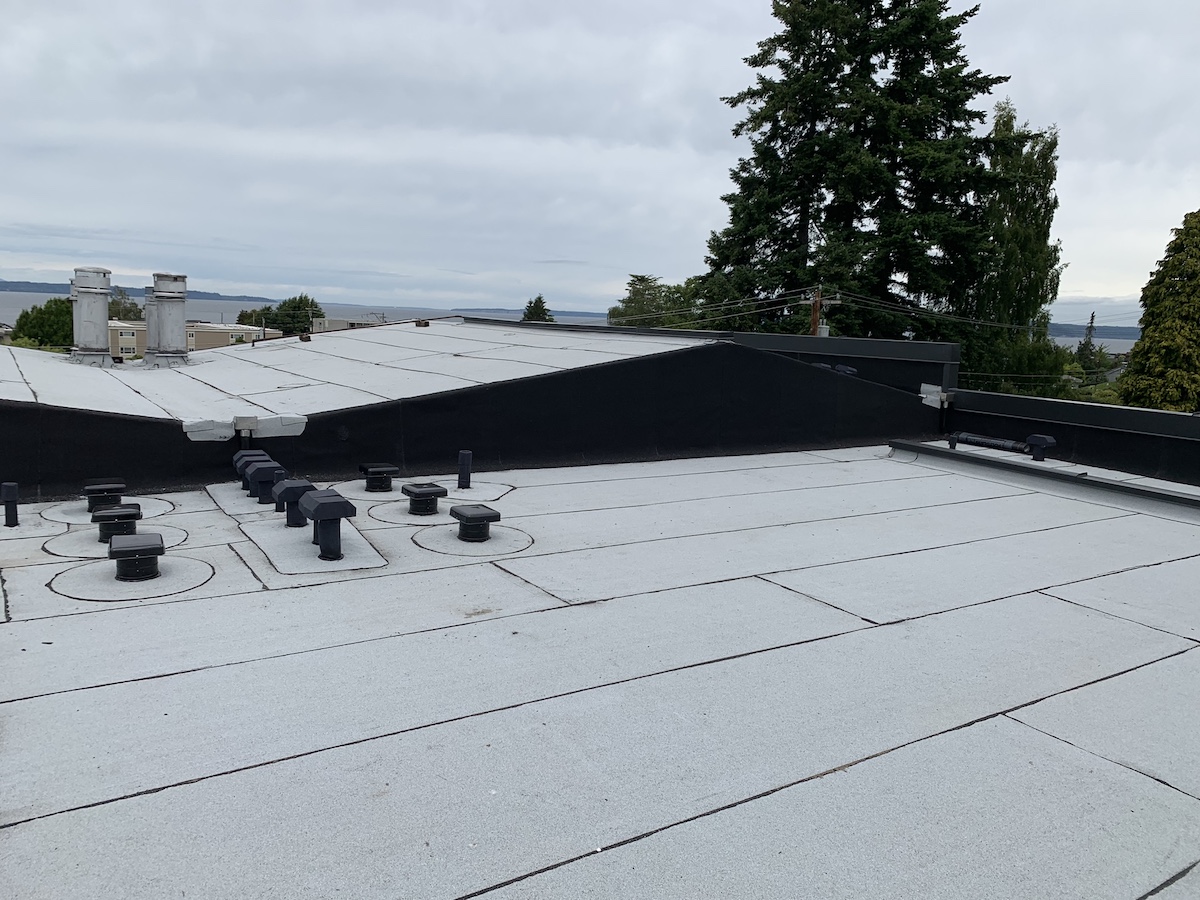
Small, complex roofs with high penetration density: Denver commercial buildings in LoDo, RiNo, and the Capitol Hill mixed-use districts frequently have irregular footprints, multiple HVAC curbs, conduit runs, exhaust flues, rooftop mechanical penthouses, and other penetrations that increase complexity beyond what single-ply handles most efficiently. On roofs below 5,000 sq ft with high penetration density, modified bitumen's multi-ply nature handles penetration detailing more forgivingly and more cost-effectively than single-ply where each penetration requires a custom-welded flashing component.
Cold-storage applications in the Denver industrial market: Modified bitumen tolerates the vapor pressure conditions created by cold-storage buildings - where the temperature differential between the conditioned interior and the Denver exterior environment creates unusual vapor drive - better than thin single-ply membranes on many existing building configurations. Several cold-storage operators in the I-70 and I-225 Aurora industrial corridors continue to specify mod-bit on replacement for this reason.
Where Single-Ply Has Replaced Modified Bitumen in Denver
Large-format industrial and warehouse buildings: The I-70, I-225, and E-470 industrial corridors contain millions of square feet of large-footprint commercial roofs where mechanically attached TPO or EPDM installs faster, costs less per square than torch-down mod-bit, and carries equivalent 20-year NDL warranty terms. On buildings above 20,000 sq ft, the labor differential is large enough that single-ply is almost always the better capital decision.
Cool-roof and energy code compliance: Colorado energy code (IECC 2021) requires Solar Reflectance Index compliance on many new Denver commercial roof installations. White TPO and white PVC achieve SRI 78 to 104 without additional measures. Standard granulated mod-bit cap sheet in black or gray runs SRI 0 to 20 - substantially below IECC minimums. White-granule mod-bit cap sheet is available and code-compliant but costs more and has narrower manufacturer support than reflective single-ply options.
Long-term warranty requirements: The maximum standard manufacturer warranty on modified bitumen systems from major manufacturers is 20 years, and most programs cap at 15 years on two-ply SBS. TPO and PVC carry 20-year and 25-year NDL paths. For Denver building owners making capital decisions on a 20-plus-year horizon, single-ply wins on warranty term availability.
Torch-Down vs. Self-Adhered - Denver-Specific Considerations
Torch-applied SBS is the standard production method for most Denver commercial mod-bit work. Hot-work permits are required for torch-applied operations under City and County of Denver permit rules. The permit process is manageable on most commercial buildings - Denver's online permit portal handles standard commercial hot-work applications - but adds pre-construction lead time of five to ten business days. Our crews maintain strict fire watch discipline on every torch-applied project: 30-minute minimum fire watch after torch operations cease each day, standby extinguisher and water source on the roof during all torch operations.
Self-adhered cold-applied systems use factory pressure-sensitive adhesive on the membrane back face - no torch, no open flame, no hot-work permit. Installation rate is slower than torch-applied, and substrate temperature must remain above 45°F throughout application - a constraint that limits self-adhered application windows to roughly April through October on most Denver commercial projects without heated-enclosure protocols. For UCHealth and Denver Health campus buildings where the hot-work permit process involves clinical operations coordination, the permit savings from self-adhered systems often offset the slower installation rate.
Frequently asked questions
Can you recover an existing Denver mod-bit roof with new modified bitumen instead of full tear-off?
Yes, when core pulls confirm dry insulation and the existing membrane is adhered well enough to provide a stable substrate for the new cap sheet. One-ply cap sheet recover over granulated cap sheet is a common project type on the older Denver commercial inventory along East Colfax and South Broadway. Two-ply systems provide a more durable recover when the existing surface is uneven. Tear-off is required when core pulls show saturated insulation - we verify before proposing recover.
Is torch-down roofing safe on occupied Denver buildings?
Yes, when properly permitted and executed. We pull hot-work permits through the City and County of Denver or the relevant municipality, conduct a pre-work fire-watch inspection with the building's facilities manager, and maintain a standby extinguisher and water source during all torch operations. We maintain a 30-minute post-torch fire watch at the end of each workday. For healthcare and sensitive-occupancy buildings, we coordinate the hot-work permit with clinical operations and facility management before the pre-construction meeting.
What warranty is available on a new torch-down modified bitumen roof on a Denver commercial building?
Modified bitumen recover or replacement on a Denver commercial building?
We will walk the roof, pull cores, and give you a straight recommendation - mod-bit recover, mod-bit replacement, or single-ply - based on what the building actually needs and what the core-pull data supports.
| Scope Format | Written roof plan and photo record |
|---|---|
| Primary Market | Denver commercial buildings |
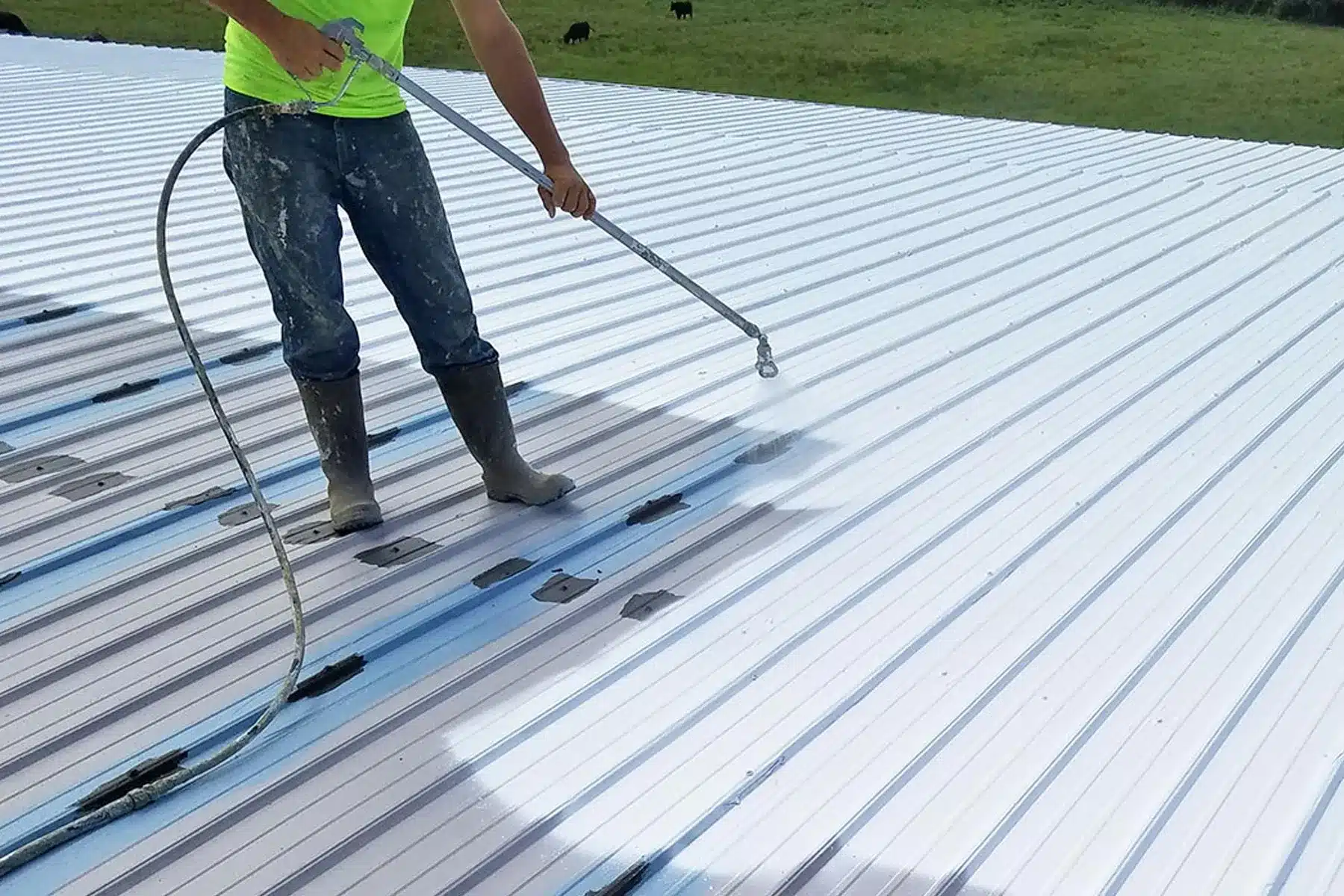
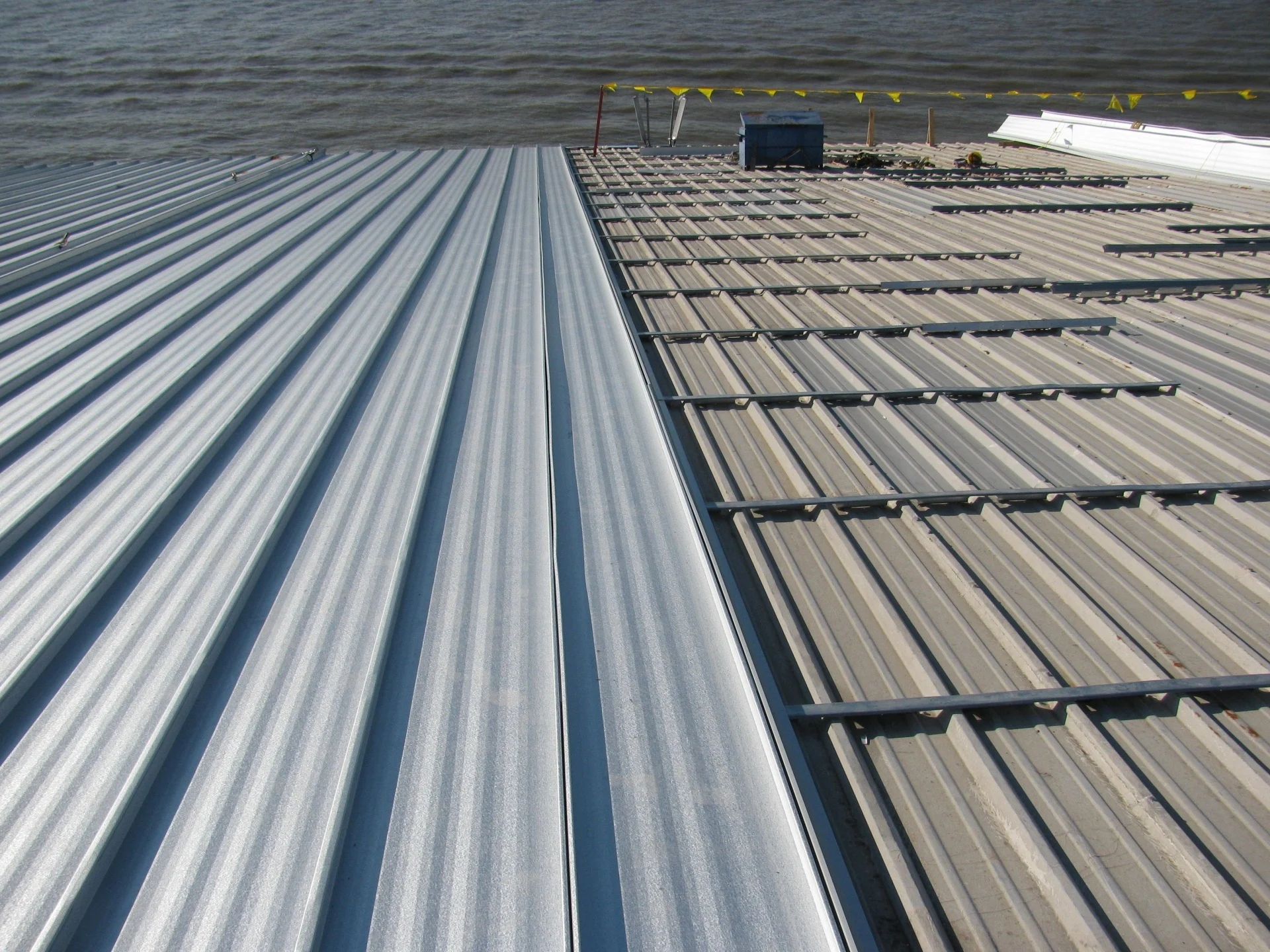
Commercial Re-Roofing in Denver, CO
Commercial Re-Roofing for commercial buildings across Denver.