Frequently asked questions
Commercial roofing for Class A, B, and C office buildings, suburban office parks, and downtown towers throughout Denver, CO.
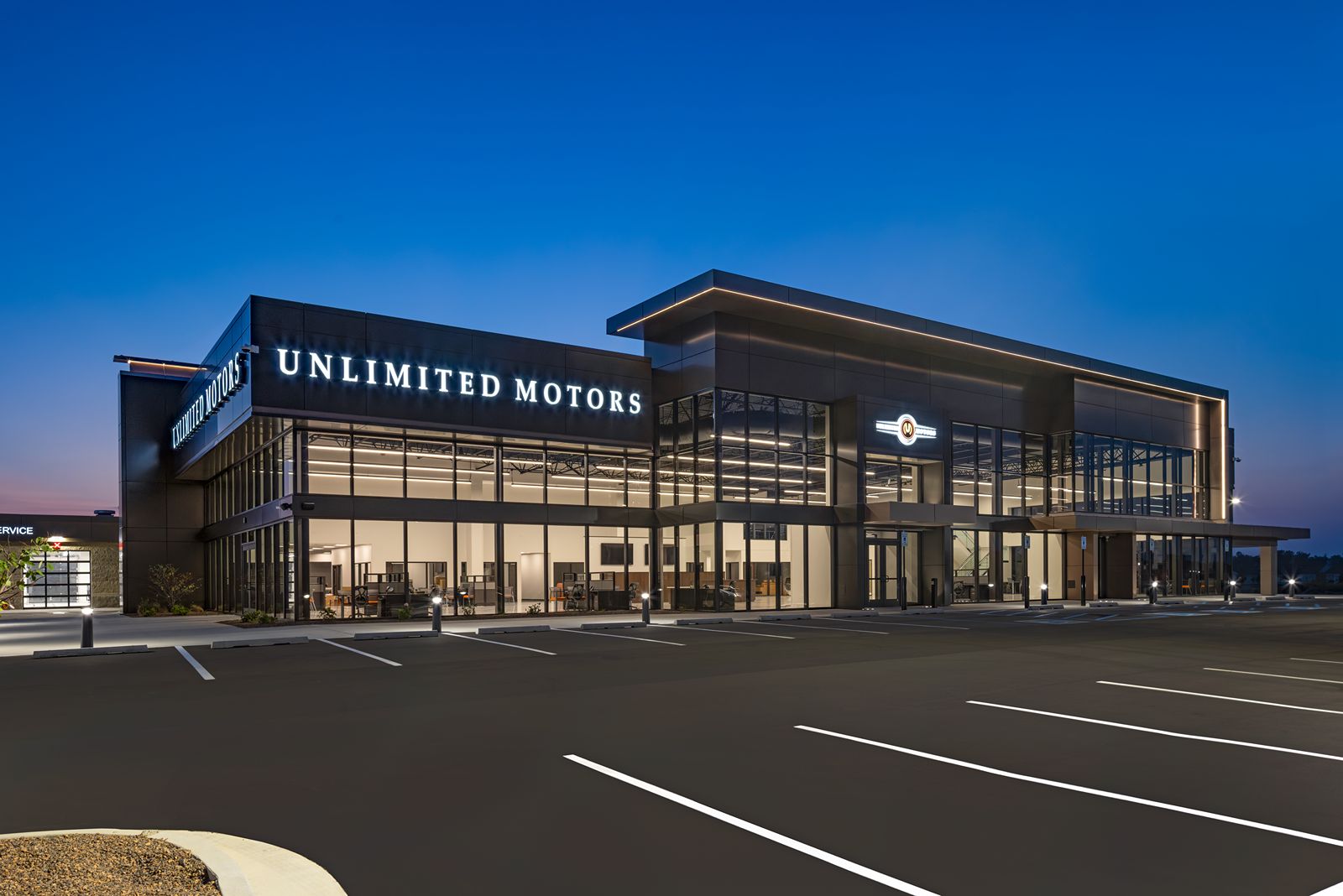
The Wells Fargo Center in downtown Denver, one of the tallest and most recognizable office towers on the Front Range skyline, anchors a Class A office market that extends from the CBD through the Union Station neighborhood, Cherry Creek, and suburban tech campuses in the DTC corridor. Denver office building roofing demands a unique combination of high-altitude UV management, hail impact resistance, dramatic thermal cycling tolerance, and the occupied-building coordination skills needed to manage work over active corporate tenants in one of the most competitive commercial real estate markets in the Mountain West.
Occupied-building protocols in Denver's competitive office market carry significant financial stakes. Front Range corporate tenants - technology companies, energy sector operators, financial services firms - have sophisticated facility standards and will exercise lease remedies for building disruptions that affect productivity or create safety concerns. Denver office roofing projects must include comprehensive tenant communication plans, daily rooftop work sequencing that minimizes noise and vibration during business hours, and a project manager who is reachable and responsive to building management concerns in real time. The relatively small size of Denver's Class A office tenant community means that a building's reputation for disruptive capital work circulates quickly among brokers and facilities managers.
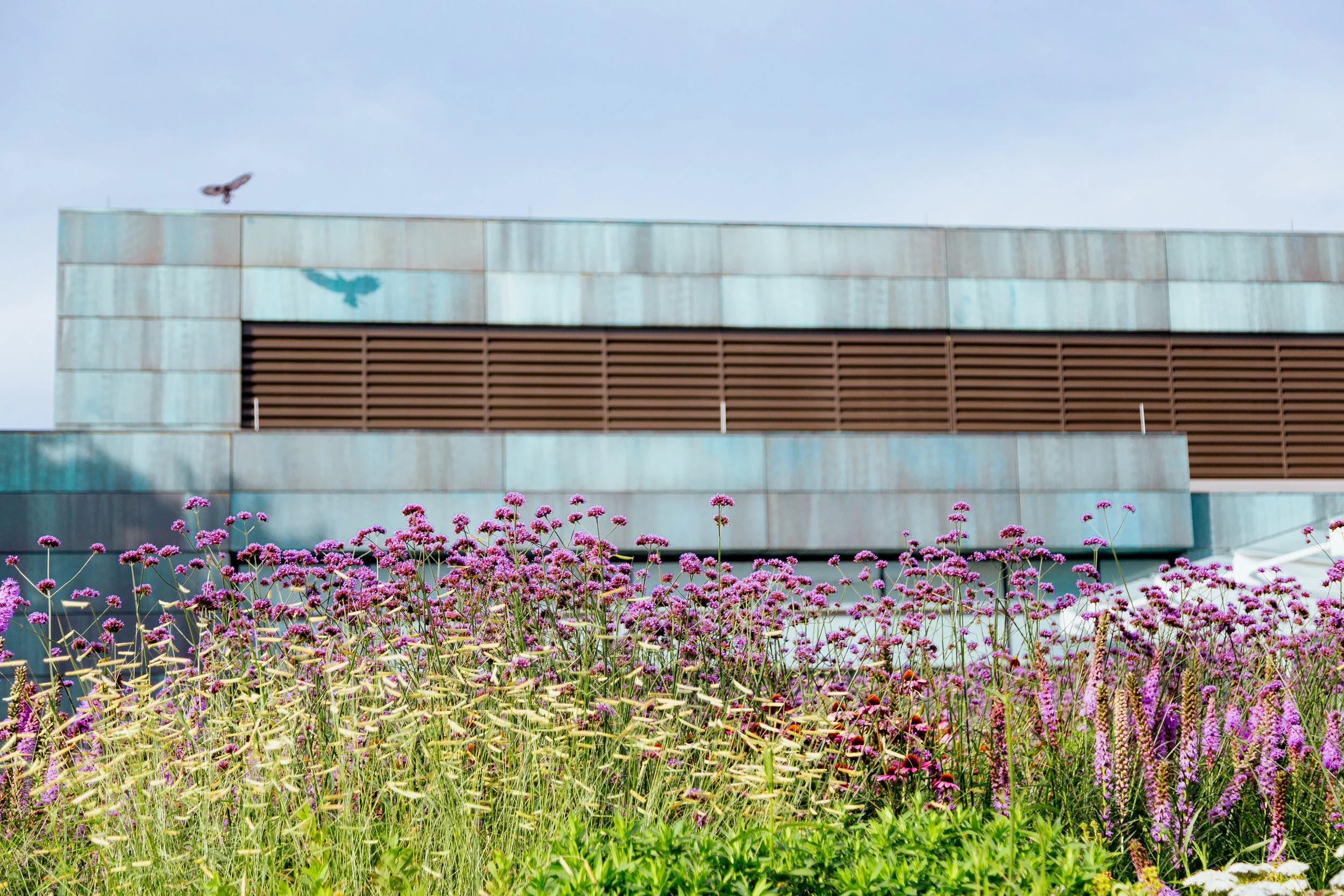
Aesthetics and green roof options for Denver office buildings benefit from the city's strong architectural culture and the commitment of the development community to sustainability credentials that attract the tech and professional services tenants who drive downtown occupancy. Several Denver CBD office buildings have incorporated extensive green roof sections on podium levels and setback terraces, and the DTC corridor has seen rooftop solar installations that double as shade canopies for rooftop amenity areas. Denver's exceptional solar resource makes rooftop solar viable at commercial scale, and owners planning a roof replacement should evaluate solar-ready specifications - including conduit stub-outs and reinforced mounting zones - that avoid the cost of retrofitting penetrations through a new membrane years later.
Multi-RTU coordination in Denver office buildings must account for the altitude's effect on equipment performance. HVAC units sized for Denver's 5,280-foot elevation run at different capacities than sea-level equipment, and contractors coordinating temporary disconnections during roof replacement must ensure that substitute equipment brought in for continuity is also altitude-rated. The thin air at Denver's elevation also affects the drying time and cure characteristics of sealants and adhesives used in the roofing system, and products applied at altitude should be confirmed against manufacturer specifications for the actual installation elevation rather than assumed to perform identically to sea-level applications.
Colorado energy code compliance for Denver office buildings follows the Colorado Energy Code, which references IECC and ASHRAE 90.1 commercial provisions. Denver's commercial building permit process requires energy code documentation for replacement roofing projects, and the permit inspection includes verification of the installed insulation assembly against the specified values. Xcel Energy offers commercial energy efficiency incentive programs for qualifying building upgrades, and Denver office building owners completing insulation upgrades concurrent with roof replacement should contact Xcel's commercial team for current program terms before the specification is finalized to capture available incentives.
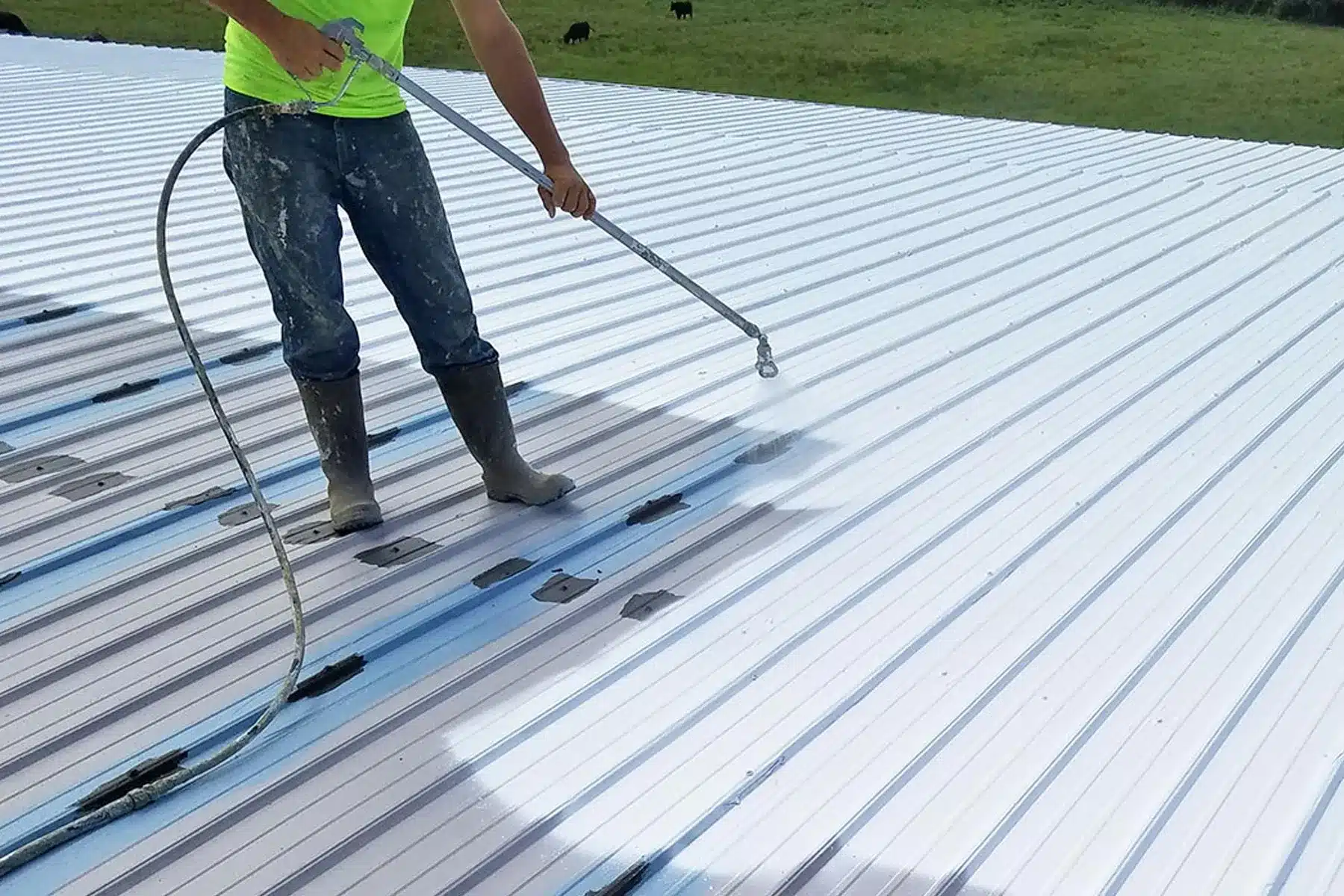
Reflective and cool roof membrane specifications for Denver office buildings address the city's strong solar radiation at altitude. While Denver's heating season moderates the annual net reflectivity benefit compared to Sun Belt markets, the combination of high UV exposure, strong summer solar radiation, and the heat island effect in the dense downtown and DTC commercial districts produces meaningful cooling season savings from white or light-colored roof membranes. ENERGY STAR cool roof certification supports LEED credits and is increasingly a baseline specification expectation for Denver Class A office buildings where institutional owners and REIT operators have established sustainability reporting requirements.
Lease renewal protection in Denver's office market - which has been shaped by the growth of the tech and energy sectors alongside the national work-from-home disruption to office demand - requires building owners to differentiate on quality and amenity. A well-maintained roof documented with recent inspection reports and a manufacturer warranty is a baseline building quality element that prospective tenants expect to see in the due diligence process. The broader Denver market offers significant new Class A inventory, and Class B building owners competing for tech sector and professional services tenants must demonstrate active capital investment programs to remain competitive on lease rate versus building quality terms.
Hail is a defining feature of Front Range commercial roofing risk, and Denver office buildings are fully exposed to the severe convective storms that produce large hail multiple times per summer across the metro area. The documented hail claim history for Denver commercial office buildings has driven Colorado commercial property insurance markets to hardening conditions, and some insurers now require documented Class 4 impact resistance as a condition of coverage or offer meaningful premium discounts for buildings with verified impact-resistant roofing assemblies. Denver office building owners should confirm their current insurer's position on Class 4 ratings before finalizing a specification, as the insurance premium benefit may influence the economic decision between standard and impact-resistant membrane options.
Cost per square foot for Denver office building roof replacement ranges from $12 to $20 for standard low-rise and mid-rise buildings in the DTC and suburban corridors, with downtown high-rise projects commanding premium pricing due to access complexity, contractor mobilization challenges, and the premium for impact-resistant and altitude-rated materials. Denver's commercial roofing contractor base includes firms with strong Class A office references and manufacturer certifications, and the competitive pressure from the Front Range's active commercial construction market produces fair pricing on most projects. Fall project starts are typically favored in Denver as the hail season closes and temperatures moderate to the range most favorable for membrane installation quality.
Can you repair a leaking BUR roof in Denver without full replacement?
Sometimes. If the leak is isolated to a failed flashing at a penetration or parapet - common on Denver BUR roofs where freeze-thaw cycling works parapet base flashings loose - and the BUR field membrane is in sound condition confirmed by core cuts, targeted repair is the right scope. If the leak is coming from failed plies in the field, repair at the visible leak point will produce another leak nearby within one to two winters as freeze-thaw expands the moisture path. We will tell you which situation you are in before recommending any scope.
How do you handle gravel removal on a BUR tear-off in Denver?
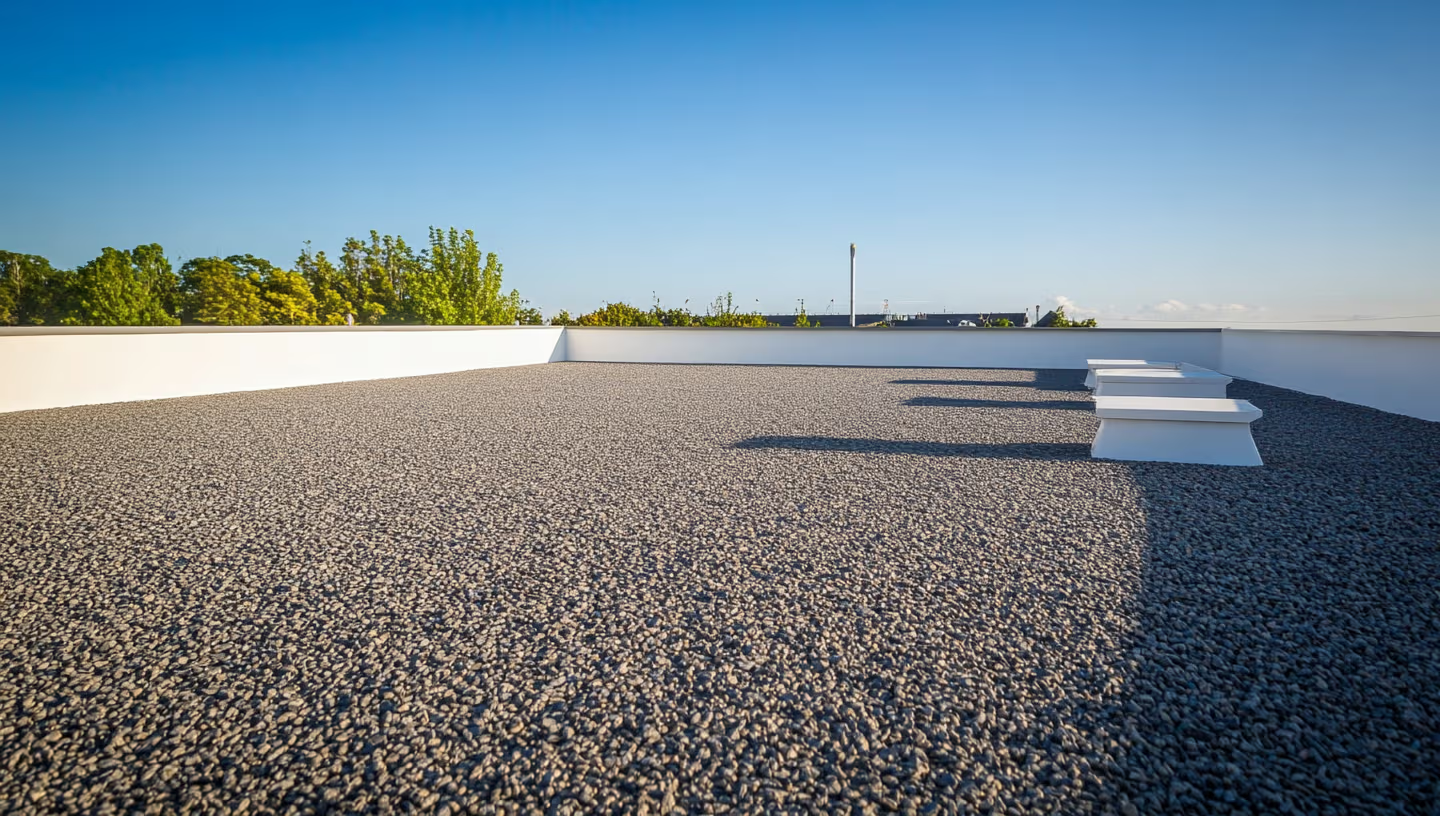
Gravel-surfaced BUR tear-off is labor-intensive and generates significant debris volume. On downtown Denver buildings with restricted site access - LoDo, the Golden Triangle, the 17th Street corridor - we use rooftop vacuum systems for gravel removal where dumpster placement is constrained by parking, street access, or neighbor proximity. Gravel is collected separately and coordinated for recycling at aggregate facilities when the owner's sustainability reporting requires documented diversion.
Is built-up roofing still installed new in Denver?
Rarely. New BUR has been largely displaced by SBS-modified bitumen, which achieves similar multi-ply performance with less installation complexity and without the hot-kettle and asphalt-fume exposure that creates complications in occupied urban Denver buildings. We can specify and install new BUR when a project requires it, but for most Denver commercial buildings, SBS modified bitumen or TPO with impact-rated cover board is the defensible recommendation for new work.
Aging BUR on a Denver commercial building?
We will walk the roof, pull core cuts, and produce a written assessment - replace vs. recover, with system options, installed cost bands, freeze-thaw and hail-resistance specifications, and warranty paths. No obligation.
| Scope Format | Written roof plan and photo record |
|---|---|
| Primary Market | Denver commercial buildings |
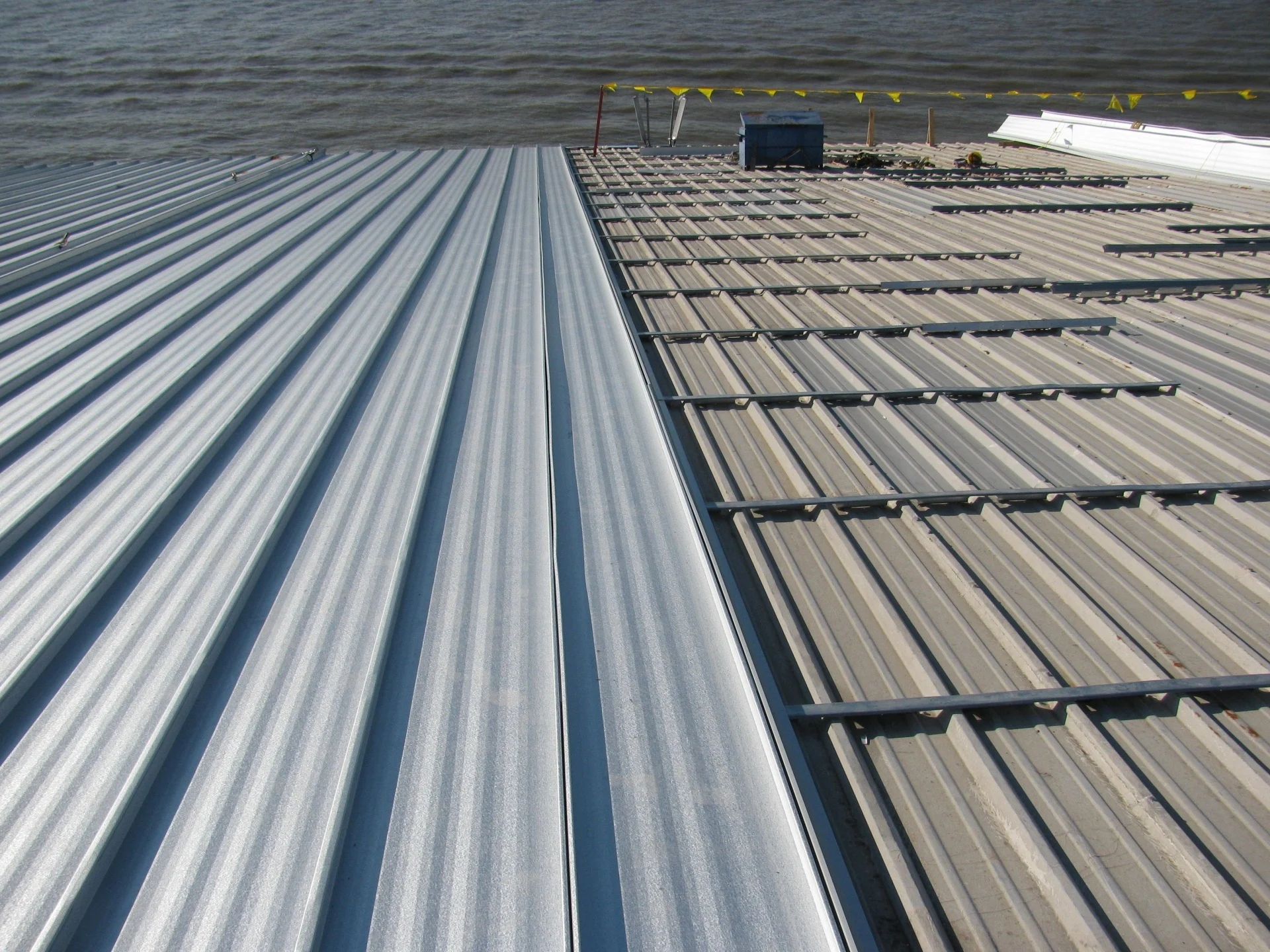
Commercial Re-Roofing in Denver, CO
Commercial Re-Roofing for commercial buildings across Denver.