Frequently asked questions
Commercial roofing for strip malls, shopping centers, anchor stores, and standalone retail buildings throughout Denver, CO.
Denver's retail real estate market stretches from the walkable 16th Street Mall corridor through the suburban power centers along E-470 and out to the development clusters in Highlands Ranch, Thornton, and Aurora. What ties all of those properties together from a roofing perspective is Colorado's extraordinarily challenging climate: intense UV radiation at a mile of elevation, dramatic diurnal temperature swings that thermal-cycle roof membranes daily, hailstorms that rank among the most destructive in North America, and a snowpack that creates real dead-load and melt-water management demands on commercial rooftops. No other major retail market in the country stacks those four variables simultaneously, and the roofing specifications and maintenance practices that work in Dallas or Atlanta don't simply translate to the Denver Front Range.
Hail damage is the single most consequential weather risk for Denver retail roofing, and the numbers bear that out. Colorado consistently ranks among the top three states for insured hail losses annually, and the Interstate 25 corridor from Castle Rock to Fort Collins sits in a particularly active hail belt. Retail properties - with their large, uninterrupted low-slope roof planes - accumulate hail impacts that compromise membrane integrity without always creating immediate visible leaks. An 80-mil TPO or PVC membrane will outlast a 45-mil system by years in these conditions, and the additional upfront cost is routinely justified within the first significant storm event. Post-storm inspections within 30 days should be contractual in any maintenance agreement for Denver area retail properties.
UV degradation at Denver's elevation accelerates roofing material aging in ways that manufacturers' standard warranty projections - calibrated for sea-level climates - don't fully capture. The 25 percent increase in UV intensity at 5,280 feet compared to sea level means that exposed membrane surfaces, seam weld edges, and flashings made of non-UV-stable materials age measurably faster than the same products would in Chicago or Houston. White reflective TPO membranes formulated with UV-stabilizing additives perform better than standard formulations under these conditions, and selecting a membrane with a track record of long-term performance in Colorado's specific UV environment - rather than relying solely on warranty terms - is the approach that experienced Denver-area retail roofing contractors recommend.
Snow load management is a roofing concern on Denver retail buildings that doesn't exist in most Sun Belt markets. Colorado code requires commercial roof structures to handle significant snow loads, but the real issue is often not the structural capacity - it's the drainage performance when a significant snowpack melts rapidly during a chinook warm spell. Retail roofs that drain adequately during summer rainstorms can be overwhelmed when 12 inches of dense wet snow melts over 24 hours. Interior drain covers clogged by granules, leaves, or debris from HVAC service work are the most frequent cause of melt-water backup events on Denver area strip centers and big-box stores, and clearing drains before the winter season is as important in Denver as it would be anywhere in the mountain West.
HVAC penetrations on Denver retail rooftops are particularly vulnerable to thermal movement because of the region's extreme daily temperature swings - a 40 or 50-degree differential between morning lows and afternoon highs is common across much of the year, and those swings cause metal curbs, pipe sleeves, and equipment supports to expand and contract in ways that gradually work at sealant joints and flashing terminations. Flexible pipe boots, properly detailed expansion joints at rooftop equipment curbs, and non-hardening sealants rated for wide temperature ranges are all standard specifications for penetration flashings on Denver-area retail buildings. Contractors who use the same penetration detail they deploy in a more temperate climate will see premature failures on the Front Range.
Retail tenant mix in Denver's major shopping corridors has shifted meaningfully toward fitness, food hall, and experiential concepts over the past decade, particularly at redeveloped centers in Cherry Creek, the Belmar district in Lakewood, and the retail components of mixed-use developments in RiNo and LoHi. Each of those tenant categories adds rooftop complexity: fitness facilities require large makeup air units and exhaust fans, restaurant tenants add grease-laden exhaust stacks, and high-traffic experiential retail generates more frequent HVAC service calls that create additional penetration risk. Retail landlords in Denver whose tenant mix has evolved since their last major roof project should commission a current penetration inventory before the next replacement cycle to understand what the rooftop actually looks like versus what the original construction documents show.
CAM budget planning for roofing in the Denver market has to account for Colorado's hail replacement cycle in addition to standard depreciation assumptions. In a market with Denver's hail exposure, a roof that is technically functional at year 12 of a 20-year projected life may be approaching the end of its insurable life - and a retail center that carries an uninsurable roof faces both financing risk and potential tenant lease default provisions if the building envelope cannot be properly warranted. Building a storm contingency reserve into the CAM budget, separate from the planned capital replacement reserve, is the most financially sound approach for Denver-area retail owners with more than one property on their balance sheet.
Tenant disruption management in Denver retail has to account for the city's strong consumer economy and the low vacancy rates that characterize its most productive retail corridors. Tenants at Cherry Creek Shopping Center's surrounding strip pads, at the Belmar lifestyle center, and at suburban power centers along Quebec Street and Havana in Aurora are operating in a market where foot traffic and sales volumes make extended closures or customer-experience disruptions genuinely costly. Pre-project tenant communication, phased installation schedules that protect the highest-volume sections during peak trading periods, and daily restoration of parking and access are the baseline coordination requirements for any commercial roofing contractor earning repeat business from Denver's retail property managers.
Long-term roofing value for Denver retail properties ultimately rests on matching the specification to the environment rather than defaulting to the lowest-cost system that meets minimum code. The combination of hail intensity, UV exposure, thermal cycling, and snow load that defines the Denver Front Range climate creates a roofing environment that ruthlessly exposes underspecified systems within a few years of installation. Retail property owners who invest in properly specified, professionally installed, and consistently maintained roof systems protect their assets, their tenants, and their financing ability in a market where institutional buyers and lenders expect documented building performance.
Can you repair a leaking BUR roof in Denver without full replacement?
Sometimes. If the leak is isolated to a failed flashing at a penetration or parapet - common on Denver BUR roofs where freeze-thaw cycling works parapet base flashings loose - and the BUR field membrane is in sound condition confirmed by core cuts, targeted repair is the right scope. If the leak is coming from failed plies in the field, repair at the visible leak point will produce another leak nearby within one to two winters as freeze-thaw expands the moisture path. We will tell you which situation you are in before recommending any scope.
How do you handle gravel removal on a BUR tear-off in Denver?
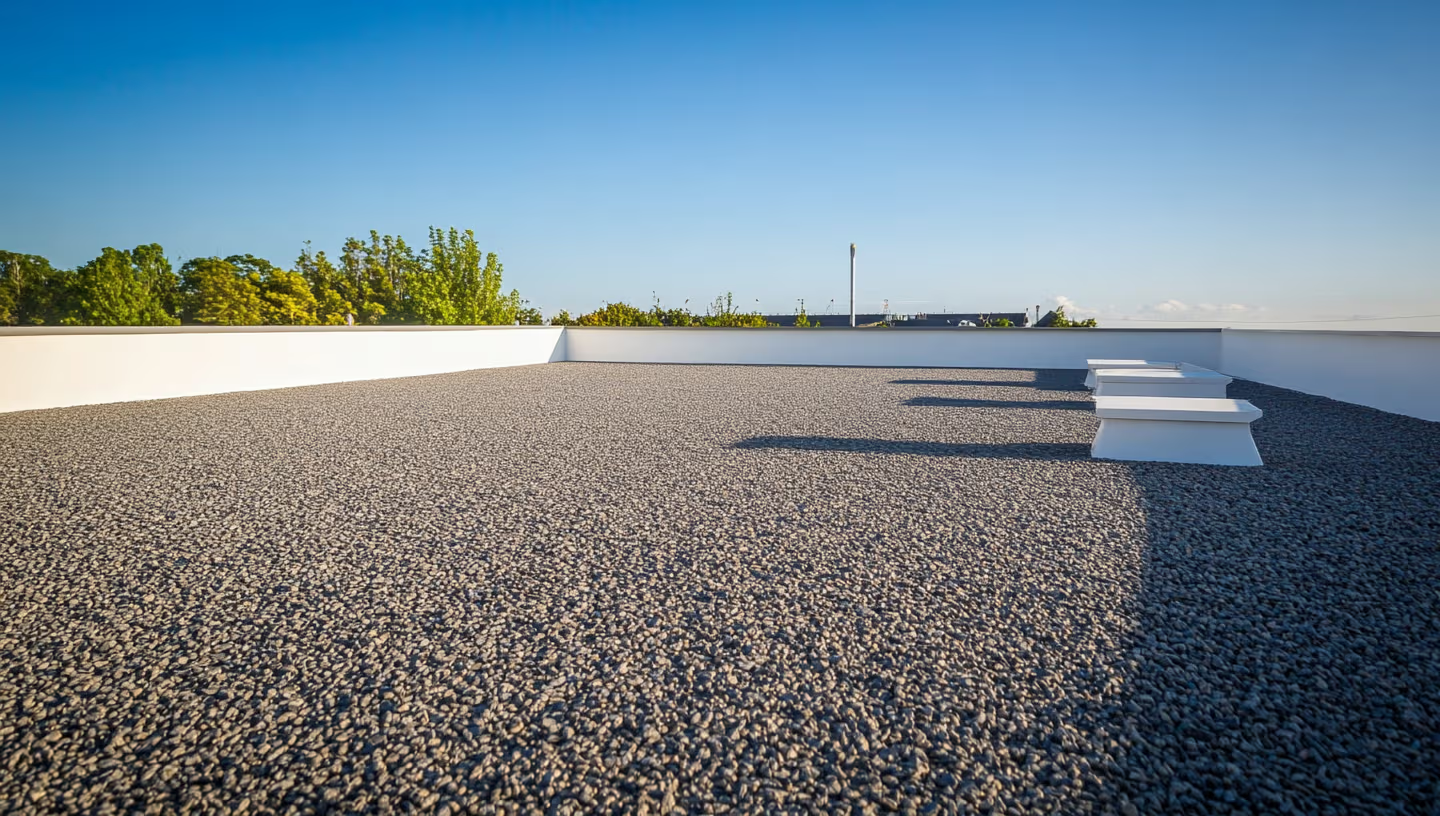
Gravel-surfaced BUR tear-off is labor-intensive and generates significant debris volume. On downtown Denver buildings with restricted site access - LoDo, the Golden Triangle, the 17th Street corridor - we use rooftop vacuum systems for gravel removal where dumpster placement is constrained by parking, street access, or neighbor proximity. Gravel is collected separately and coordinated for recycling at aggregate facilities when the owner's sustainability reporting requires documented diversion.
Is built-up roofing still installed new in Denver?
Rarely. New BUR has been largely displaced by SBS-modified bitumen, which achieves similar multi-ply performance with less installation complexity and without the hot-kettle and asphalt-fume exposure that creates complications in occupied urban Denver buildings. We can specify and install new BUR when a project requires it, but for most Denver commercial buildings, SBS modified bitumen or TPO with impact-rated cover board is the defensible recommendation for new work.
Aging BUR on a Denver commercial building?
We will walk the roof, pull core cuts, and produce a written assessment - replace vs. recover, with system options, installed cost bands, freeze-thaw and hail-resistance specifications, and warranty paths. No obligation.
| Scope Format | Written roof plan and photo record |
|---|---|
| Primary Market | Denver commercial buildings |
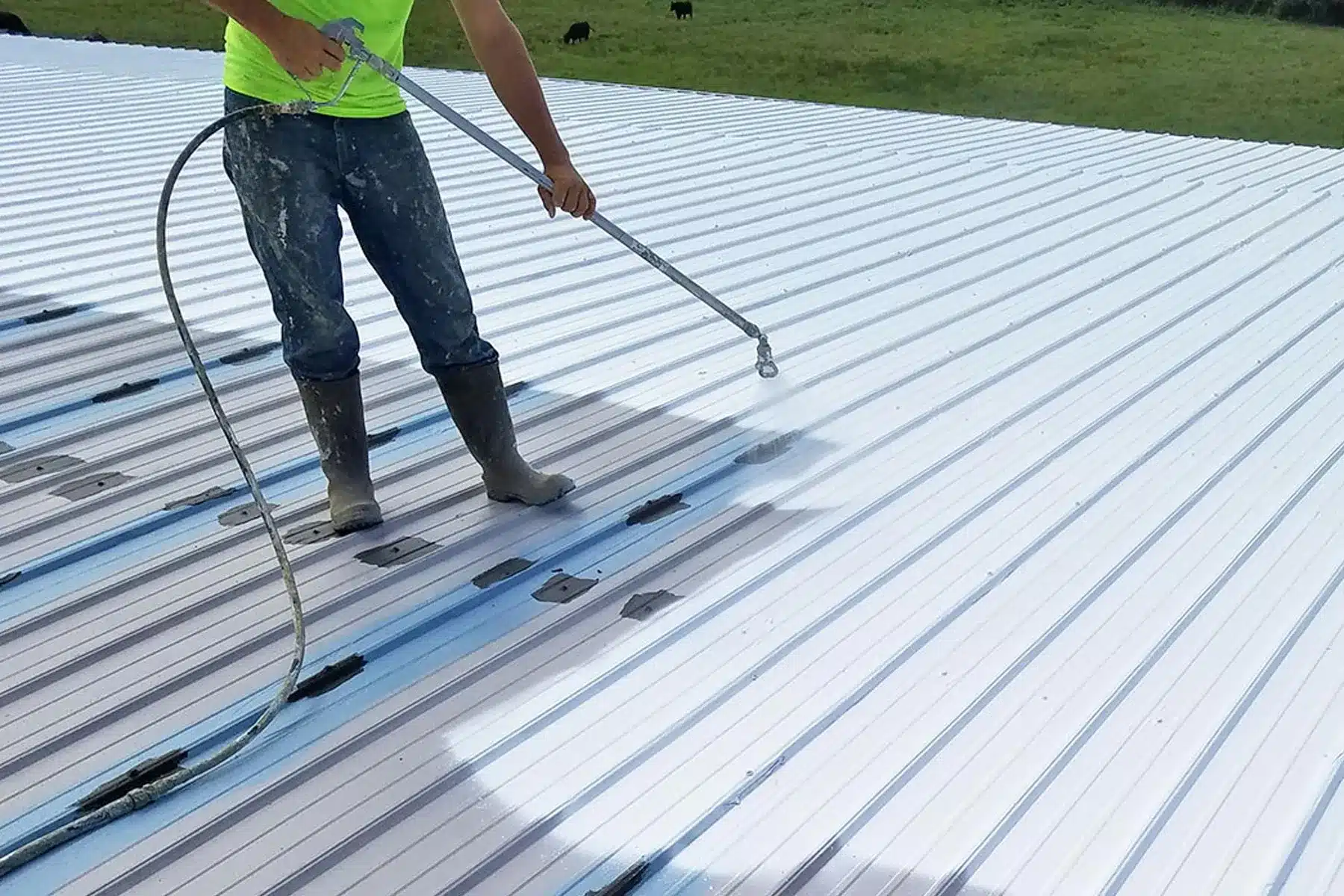
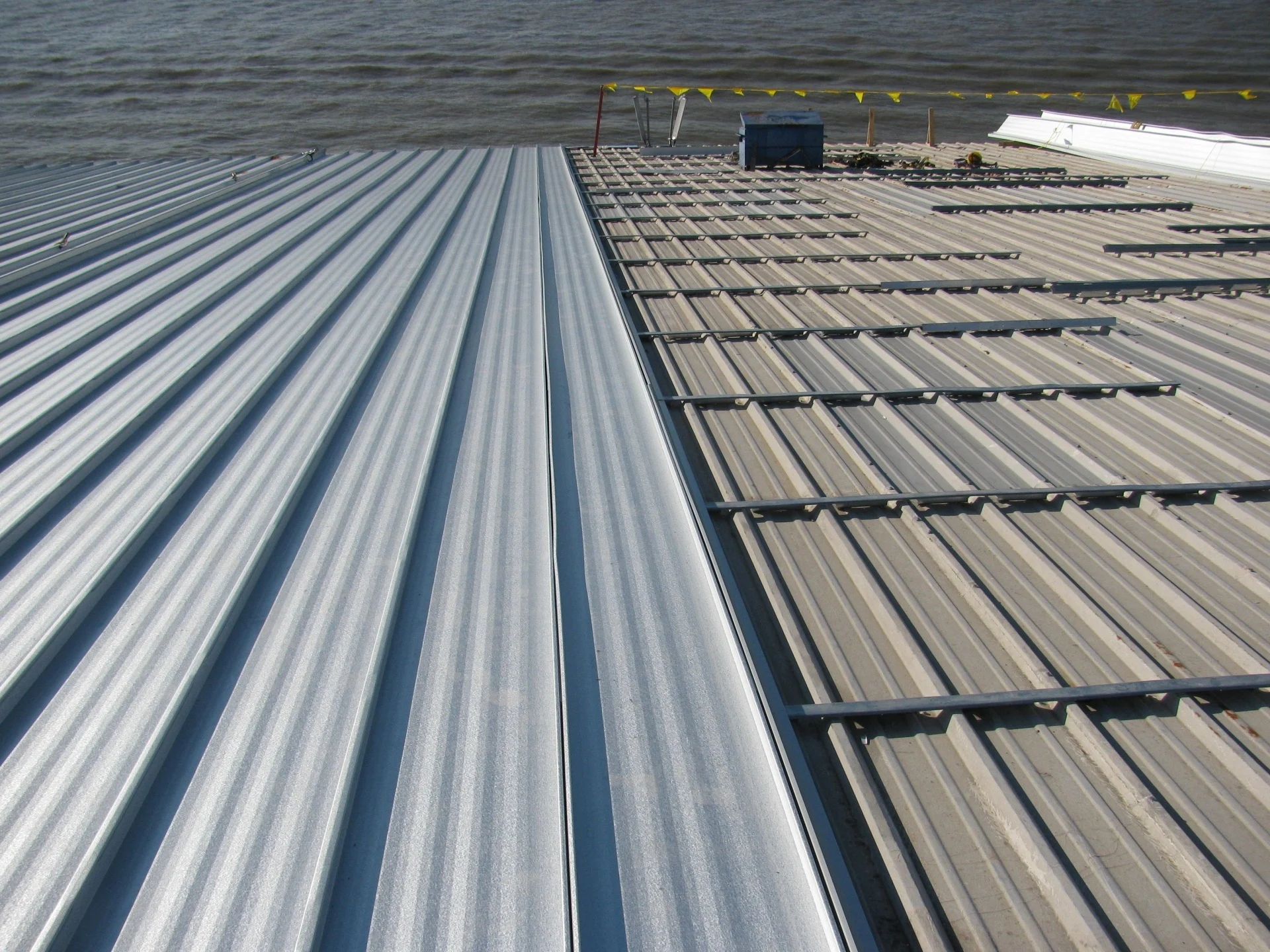
Commercial Re-Roofing in Denver, CO
Commercial Re-Roofing for commercial buildings across Denver.