Frequently asked questions
Commercial roofing for self-storage facilities, mini-storage buildings, and climate-controlled storage properties throughout Denver, CO.
Extra Space Storage operates multiple locations across the Denver metro, including a substantial facility on South Colorado Boulevard that serves the southeast Denver market with climate-controlled and drive-up units. Colorado's Front Range climate creates one of the most demanding roofing environments in North America - a combination of intense UV radiation at high altitude, frequent and severe hail storms, dramatic temperature swings between seasons, and the periodic heavy wet snow that follows warm spells in late winter and early spring. A self-storage roof in Denver needs to be designed and installed with all of these factors accounted for from the specification stage forward.
Hail is arguably the single greatest roofing threat facing Denver self-storage operators. The Front Range corridor from Colorado Springs through Denver and north to Fort Collins consistently ranks among the highest hail frequency zones in the country. Spring and early summer storms crossing the Palmer Divide regularly produce hail two inches in diameter or larger, and the Denver metro has experienced multiple catastrophic hail events in recent decades that caused billions of dollars in combined multifamily and commercial property damage. For storage facilities with large, unobstructed flat roof expanses, even a moderate hail event can produce dozens of impact points per hundred square feet of membrane surface.
The UV intensity at Denver's elevation of 5,280 feet accelerates membrane aging in ways that operators moving from lower-elevation markets often underestimate. Solar radiation at altitude is roughly 25 percent more intense than at sea level, and the number of annual sunshine hours in the Denver area far exceeds the national average. This UV load breaks down membrane polymers, oxidizes surface coatings, and bleaches and degrades granule surfaces on modified bitumen products faster than equivalent products at lower elevations. Denver-specific membrane specifications often call for heavier thickness ratings or enhanced UV-stabilized formulations to compensate for this accelerated aging environment.
Temperature swings on the Front Range are dramatic and occur rapidly. Denver is famous for weather systems that drop temperatures 40 or 50 degrees in a matter of hours, and the diurnal temperature swing - from cold nights to warm afternoons - can stress roofing membranes repeatedly throughout the shoulder seasons. Thermoplastic membranes like TPO that are designed to accommodate thermal movement through their flexible chemistry handle these swings well when properly installed with expansion accommodations at penetrations and perimeter details. Brittle or over-aged membranes can crack under the rapid thermal stress that Denver weather routinely produces.
Climate-controlled storage in Denver serves a growing population of customers who recognize that the combination of intense summer sun, freezing winters, and low humidity creates a demanding environment for stored belongings. The low humidity that makes Denver summers so pleasant is actually a concern for wooden furniture, musical instruments, and artwork, which can crack or warp when exposed to very dry conditions. Climate control in Denver self-storage means not just temperature management but humidity stabilization - something that requires a well-insulated building envelope to achieve cost-effectively.
Snow load management is a serious structural concern for Denver self-storage roofs. The wet, heavy snow that spring storms bring to Colorado can accumulate rapidly on flat roof surfaces. A roof carrying 18 inches of wet spring snow may be experiencing loads of 25 to 35 pounds per square foot - potentially exceeding design loads on older buildings constructed to minimum code. Drainage design must account for the snowmelt scenario, ensuring that as snow begins melting, water can exit the roof quickly rather than combining with the weight of remaining snow to create compounding structural loads.
Tapered insulation systems are especially valuable in the Denver climate for their dual benefit of positive-slope drainage and enhanced thermal performance. Polyisocyanurate insulation maintains good R-value in cold conditions when protected from moisture, and the slope it creates ensures that Denver's rapid snowmelt events drain away efficiently. A common specification for Colorado storage facilities calls for a tapered ISO board system under a 60-mil or 80-mil TPO membrane, with attention to perimeter details that prevent wind uplift in the front range's frequent high-wind conditions.
Insurance considerations for Denver storage operators have evolved significantly in recent years. Several major carriers have restricted hail coverage or implemented percentage-based deductibles for commercial properties in Colorado after years of significant storm losses. Operators who can demonstrate that their facilities have impact-resistant Class 4 roofing systems may qualify for premium reductions or improved coverage terms, making the premium specification economically justified not just on performance grounds but on insurance cost grounds as well.
Working with a commercial roofing contractor who regularly serves the Denver self-storage market brings practical benefits that translate to better long-term outcomes. Local contractors understand which membrane products perform best in Front Range conditions from direct experience, maintain relationships with local suppliers who can provide materials quickly after storm events, and are familiar with Denver's building department requirements for commercial roofing projects. That local knowledge is the difference between a theoretical specification and one that actually performs through the hail seasons, winter snows, and intense Colorado sun that defines roofing in the Mile High City.
Can you repair a leaking BUR roof in Denver without full replacement?
Sometimes. If the leak is isolated to a failed flashing at a penetration or parapet - common on Denver BUR roofs where freeze-thaw cycling works parapet base flashings loose - and the BUR field membrane is in sound condition confirmed by core cuts, targeted repair is the right scope. If the leak is coming from failed plies in the field, repair at the visible leak point will produce another leak nearby within one to two winters as freeze-thaw expands the moisture path. We will tell you which situation you are in before recommending any scope.
How do you handle gravel removal on a BUR tear-off in Denver?
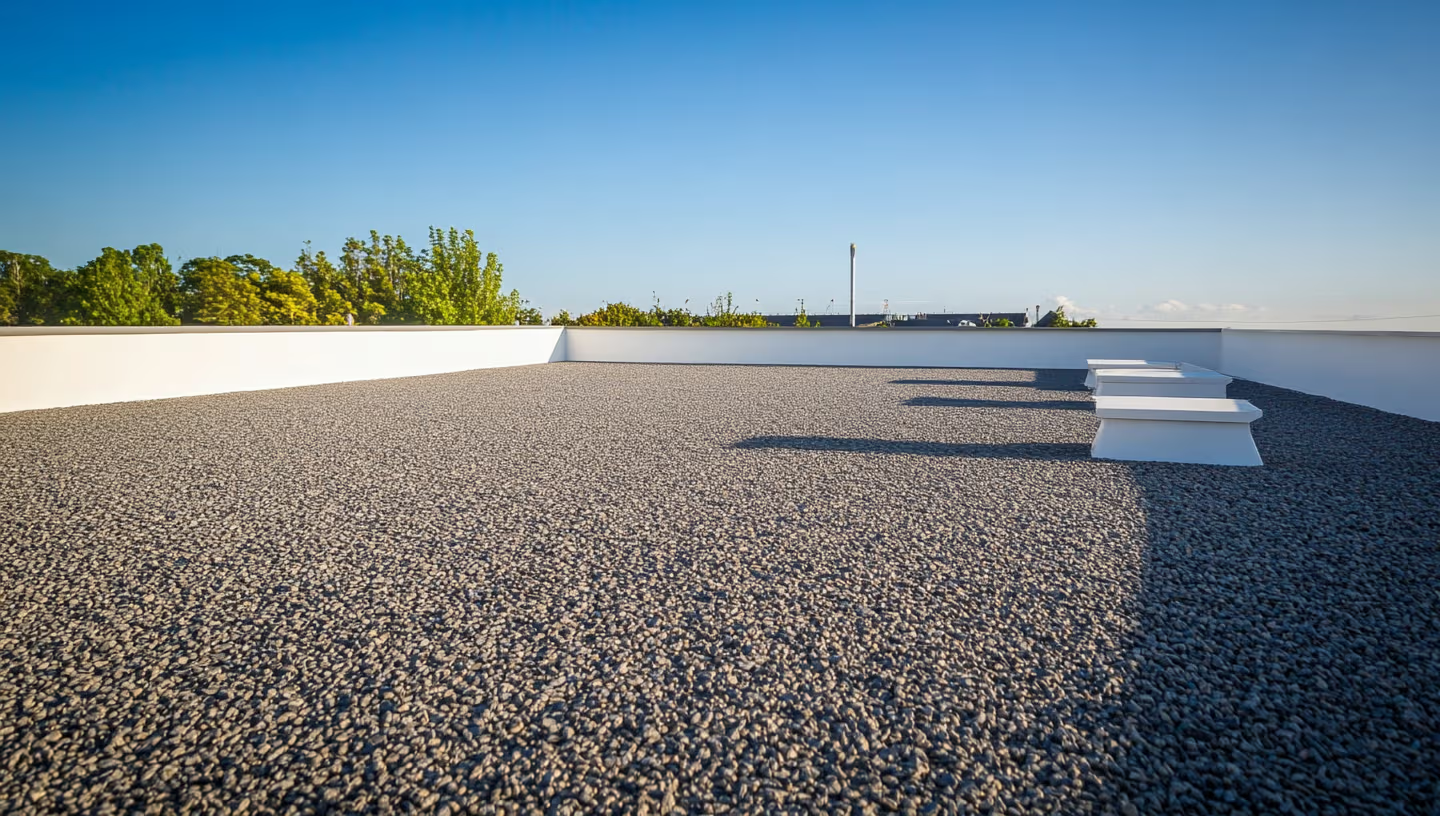
Gravel-surfaced BUR tear-off is labor-intensive and generates significant debris volume. On downtown Denver buildings with restricted site access - LoDo, the Golden Triangle, the 17th Street corridor - we use rooftop vacuum systems for gravel removal where dumpster placement is constrained by parking, street access, or neighbor proximity. Gravel is collected separately and coordinated for recycling at aggregate facilities when the owner's sustainability reporting requires documented diversion.
Is built-up roofing still installed new in Denver?
Rarely. New BUR has been largely displaced by SBS-modified bitumen, which achieves similar multi-ply performance with less installation complexity and without the hot-kettle and asphalt-fume exposure that creates complications in occupied urban Denver buildings. We can specify and install new BUR when a project requires it, but for most Denver commercial buildings, SBS modified bitumen or TPO with impact-rated cover board is the defensible recommendation for new work.
Aging BUR on a Denver commercial building?
We will walk the roof, pull core cuts, and produce a written assessment - replace vs. recover, with system options, installed cost bands, freeze-thaw and hail-resistance specifications, and warranty paths. No obligation.
| Scope Format | Written roof plan and photo record |
|---|---|
| Primary Market | Denver commercial buildings |
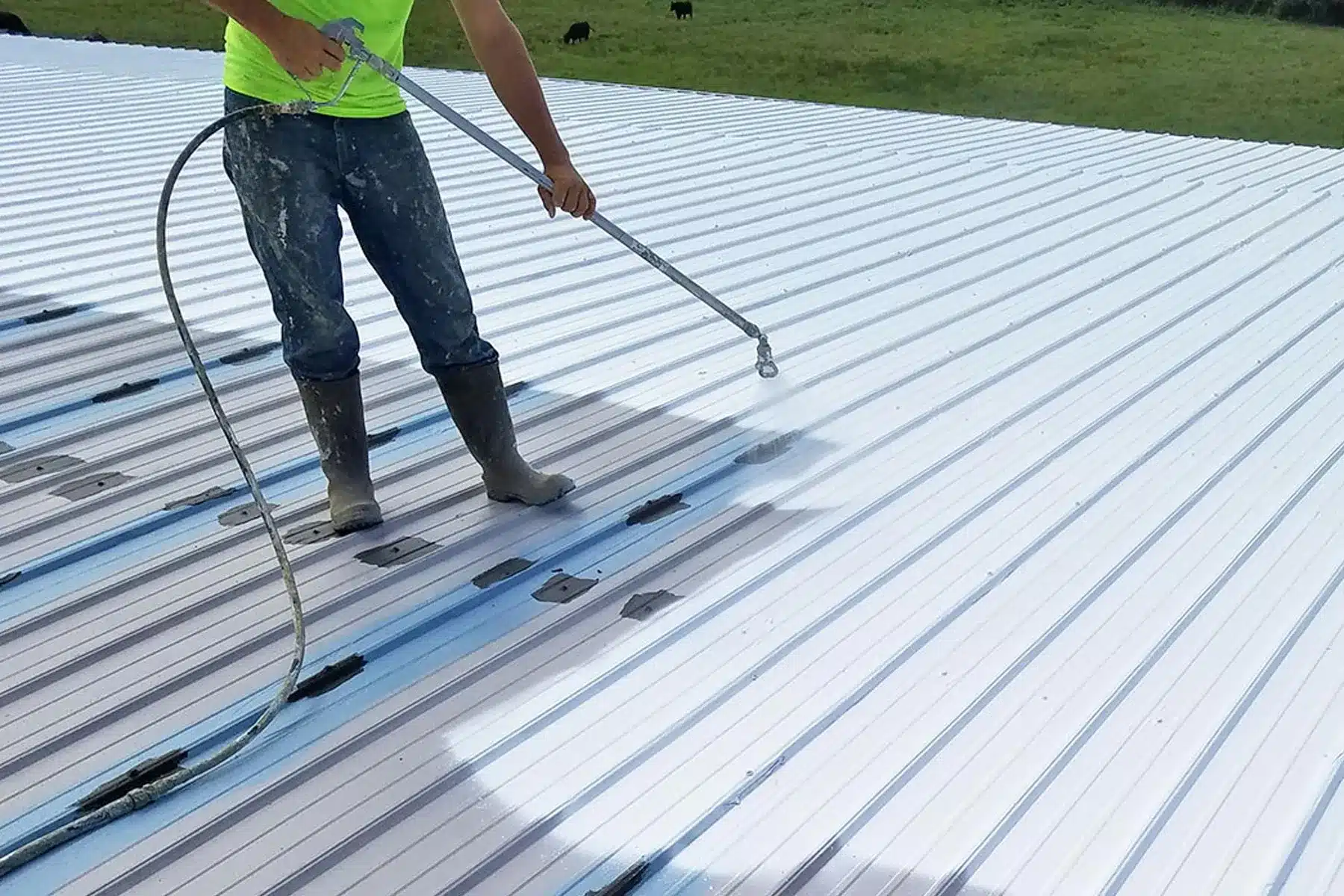
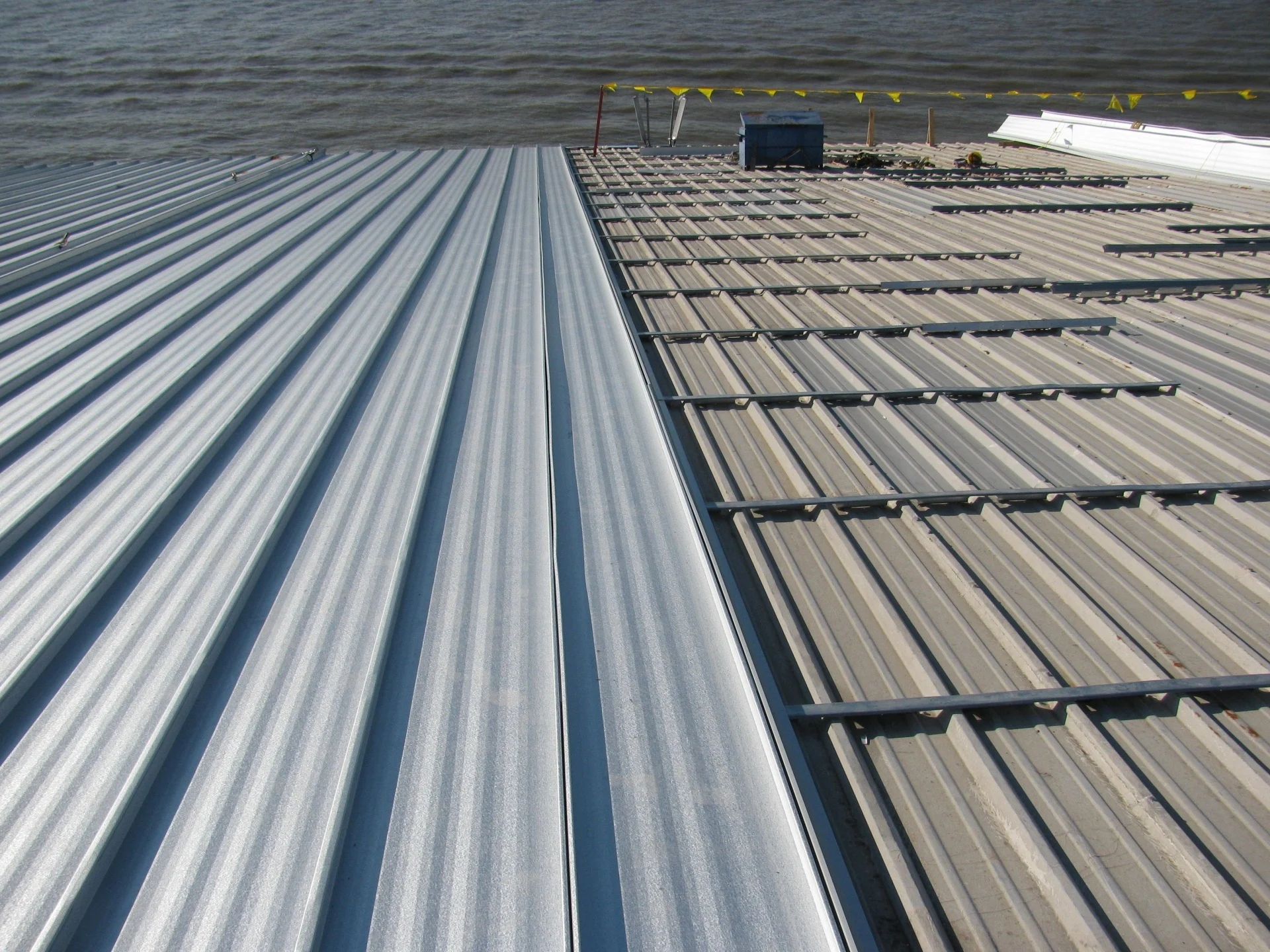
Commercial Re-Roofing in Denver, CO
Commercial Re-Roofing for commercial buildings across Denver.