Frequently asked questions
Commercial roofing for warehouses, distribution centers, and industrial facilities throughout Denver, CO.
Commercial roofing for warehouses, distribution centers, and industrial facilities throughout Denver, CO. TPO, EPDM, and metal roof systems.
The Walmart Regional Distribution Center in Loveland, serving Colorado's Front Range retail network, showcases the engineering complexity that altitude and climate variability introduce to large warehouse roofing on the Colorado Front Range. Denver sits at 5,280 feet, and the roofing systems on its massive industrial buildings face UV radiation levels meaningfully higher than sea-level installations, snow load requirements from the occasional heavy Front Range storm, and dramatic temperature swings that arrive when a chinook wind drops 50 degrees in a single afternoon. Warehouse roofing in the Denver market is a specialized discipline that demands local experience and materials specified for high-altitude performance.
Drainage engineering for Denver warehouse footprints must balance two very different weather scenarios: the intense short-duration convective thunderstorms of summer that dump significant rainfall quickly, and the slow-melting heavy snowpack events of late winter. Primary interior drains sized for summer convective intensity may be overwhelmed by the simultaneous melting of a thick wet snowpack when temperatures rebound after a late-season storm. Denver warehouse drainage specifications should include overflow scuppers positioned well clear of the primary drain system and sized to handle the combined rain-on-snow event that Front Range buildings experience several times per decade.
TPO membrane in white or light gray is the dominant specification for new Denver warehouse construction because of its reflectivity in a climate with exceptional solar radiation. At Denver's altitude, UV index values are significantly higher than at sea-level locations at comparable latitudes, which accelerates the photo-oxidation of membrane surfaces. Specifying TPO with enhanced UV stabilizers and confirming that the manufacturer's warranty covers high-altitude installations is a necessary step that many contractors working primarily in lower-elevation markets overlook. EPDM is a viable option for re-cover projects and actually benefits from Denver's lower average humidity, which reduces the biological growth concerns that affect EPDM in more humid southern climates.
Thermal cycling is the most aggressive performance challenge for Denver warehouse roof flashings. The chinook wind phenomenon creates temperature swings of 40 to 60 degrees Fahrenheit within hours, which expand and contract metal flashings, sealants, and membrane termination points at rates that simply do not occur in more stable climates. Metal coping caps at parapet walls, dock bay flashings, and curb flashings around rooftop equipment all require movement-accommodating details that include flexible sealant joints and termination bar placements that allow differential movement without tearing the membrane or cracking the sealant bead.
Snow load requirements for the Denver metro area follow ASCE 7 ground snow load values, which for most Front Range industrial areas translate to moderate roof design loads on flat buildings. However, drift loads adjacent to tall rooftop equipment, stair towers, and higher building sections can produce localized loads substantially above the balanced snow load, and these drift conditions must be calculated rather than estimated. A structural engineer with Colorado Front Range experience should review drift loading at every major height transition on a Denver warehouse before any rooftop additions are installed.
Forklift exhaust and ventilation equipment on Denver warehouses must also account for the altitude's effect on combustion and exhaust volumes. Propane-powered forklifts at 5,280 feet produce exhaust volumes that differ from sea-level specifications, and exhaust fans sized for sea-level performance may be undersized for Denver conditions. Rooftop ventilation contractors working in the Denver market should verify equipment sizing against altitude-derated performance specifications, and the penetrations and curbs for ventilation equipment must be sized to match the equipment actually being installed.
Energy efficiency calculations for Denver warehouses show strong returns on reflective membrane investments because the city's 300-plus days of sunshine per year create substantial solar heat gain even in a climate with meaningful heating loads. A white TPO membrane reduces peak cooling demand for climate-controlled distribution facilities during Denver's hot, sunny summers while the polyisocyanurate insulation carries the heating season energy performance. Colorado's commercial energy code has progressively tightened insulation requirements, and replacement projects on older Denver warehouses that upgrade insulation to current code levels will capture immediate utility cost reductions that justify the additional material cost.
Hail is a significant secondary concern for Denver warehouse roofs, as the Front Range sits in one of the most hail-active corridors in North America. Large hail events occur multiple times per summer across the metro area, and a membrane system without impact resistance documentation is a liability on any Denver commercial roof. Specifying assemblies that meet the FM 4473 Class 4 or UL 2218 Class 4 standard provides the best available protection and is increasingly required by commercial property insurers writing policies in Colorado. The premium for impact-resistant assemblies on Denver warehouses is modest compared to the potential repair and claim costs following a major hail event.
Cost per square foot for Denver warehouse roof replacement ranges from $9 to $14, reflecting higher labor costs than southern markets and the premium for impact-resistant and altitude-rated materials. The Denver market has a competitive pool of commercial roofing contractors, but the subset with verifiable large-warehouse experience, manufacturer certifications, and a track record of hail-resistant system installations is smaller. Owners should prioritize contractor selection based on references from comparable Denver-area warehouse projects and confirmed manufacturer certification status rather than unit cost alone.
Can you repair a leaking BUR roof in Denver without full replacement?
Sometimes. If the leak is isolated to a failed flashing at a penetration or parapet - common on Denver BUR roofs where freeze-thaw cycling works parapet base flashings loose - and the BUR field membrane is in sound condition confirmed by core cuts, targeted repair is the right scope. If the leak is coming from failed plies in the field, repair at the visible leak point will produce another leak nearby within one to two winters as freeze-thaw expands the moisture path. We will tell you which situation you are in before recommending any scope.
How do you handle gravel removal on a BUR tear-off in Denver?
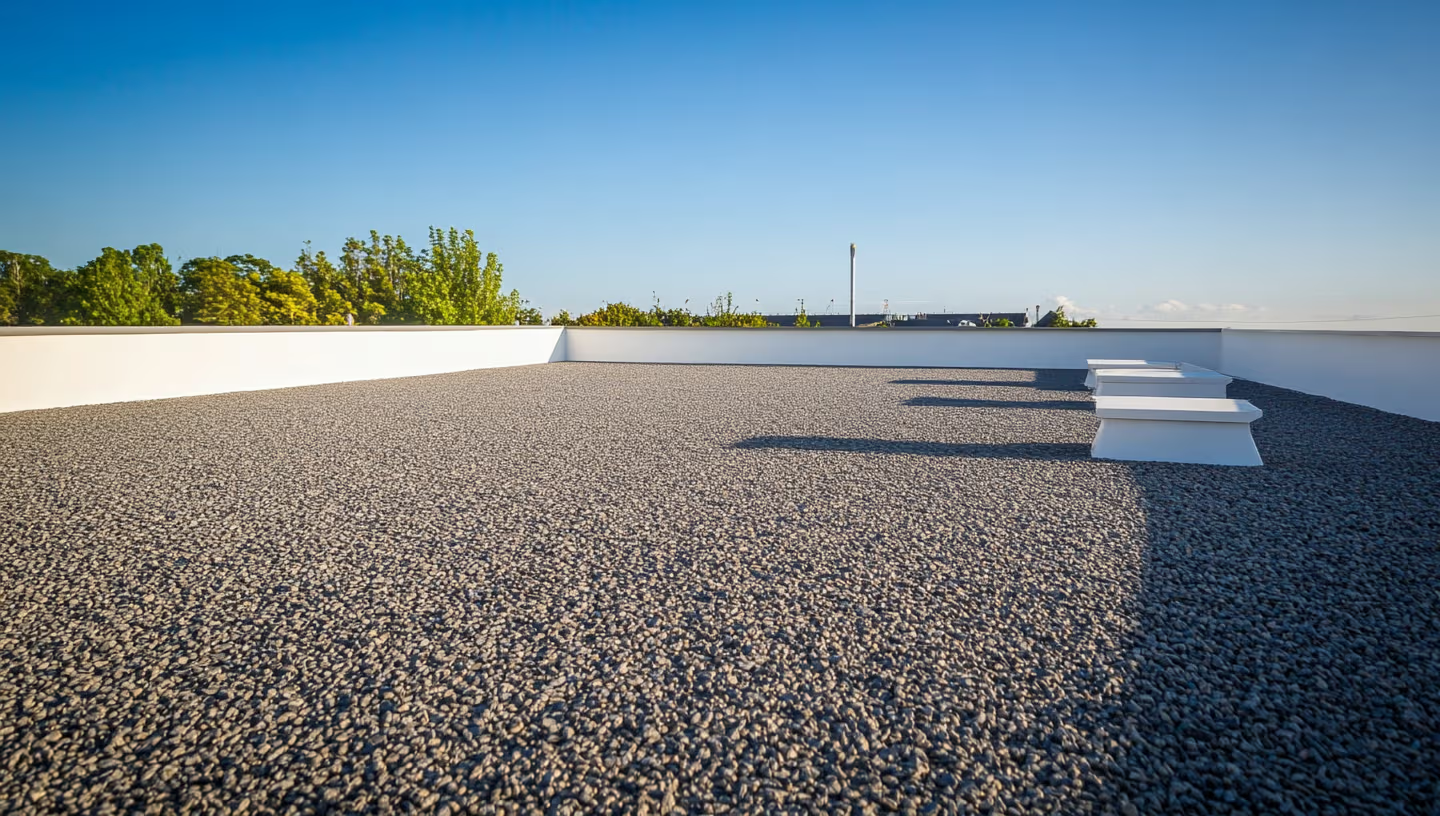
Gravel-surfaced BUR tear-off is labor-intensive and generates significant debris volume. On downtown Denver buildings with restricted site access - LoDo, the Golden Triangle, the 17th Street corridor - we use rooftop vacuum systems for gravel removal where dumpster placement is constrained by parking, street access, or neighbor proximity. Gravel is collected separately and coordinated for recycling at aggregate facilities when the owner's sustainability reporting requires documented diversion.
Is built-up roofing still installed new in Denver?
Rarely. New BUR has been largely displaced by SBS-modified bitumen, which achieves similar multi-ply performance with less installation complexity and without the hot-kettle and asphalt-fume exposure that creates complications in occupied urban Denver buildings. We can specify and install new BUR when a project requires it, but for most Denver commercial buildings, SBS modified bitumen or TPO with impact-rated cover board is the defensible recommendation for new work.
Aging BUR on a Denver commercial building?
We will walk the roof, pull core cuts, and produce a written assessment - replace vs. recover, with system options, installed cost bands, freeze-thaw and hail-resistance specifications, and warranty paths. No obligation.
| Scope Format | Written roof plan and photo record |
|---|---|
| Primary Market | Denver commercial buildings |
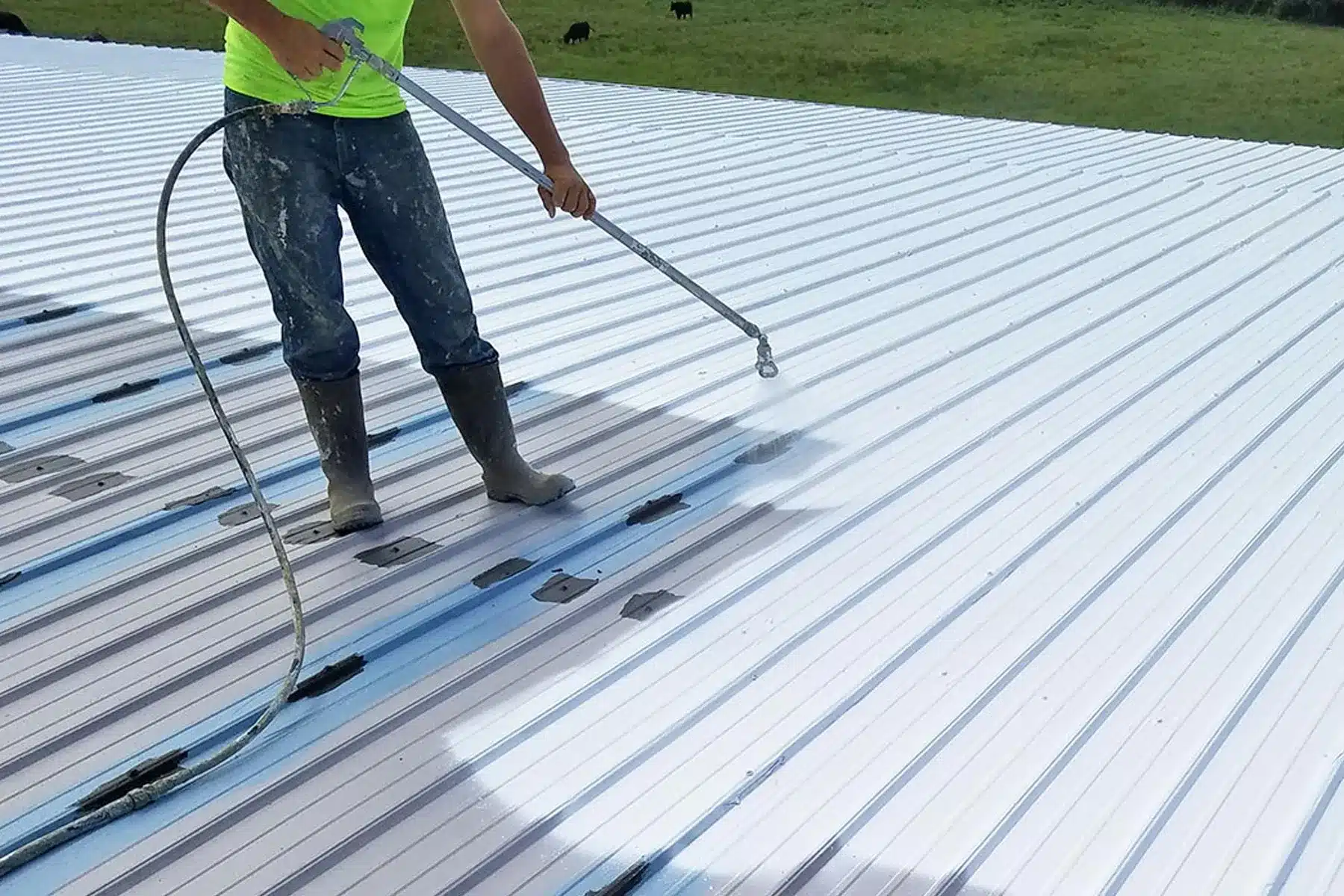
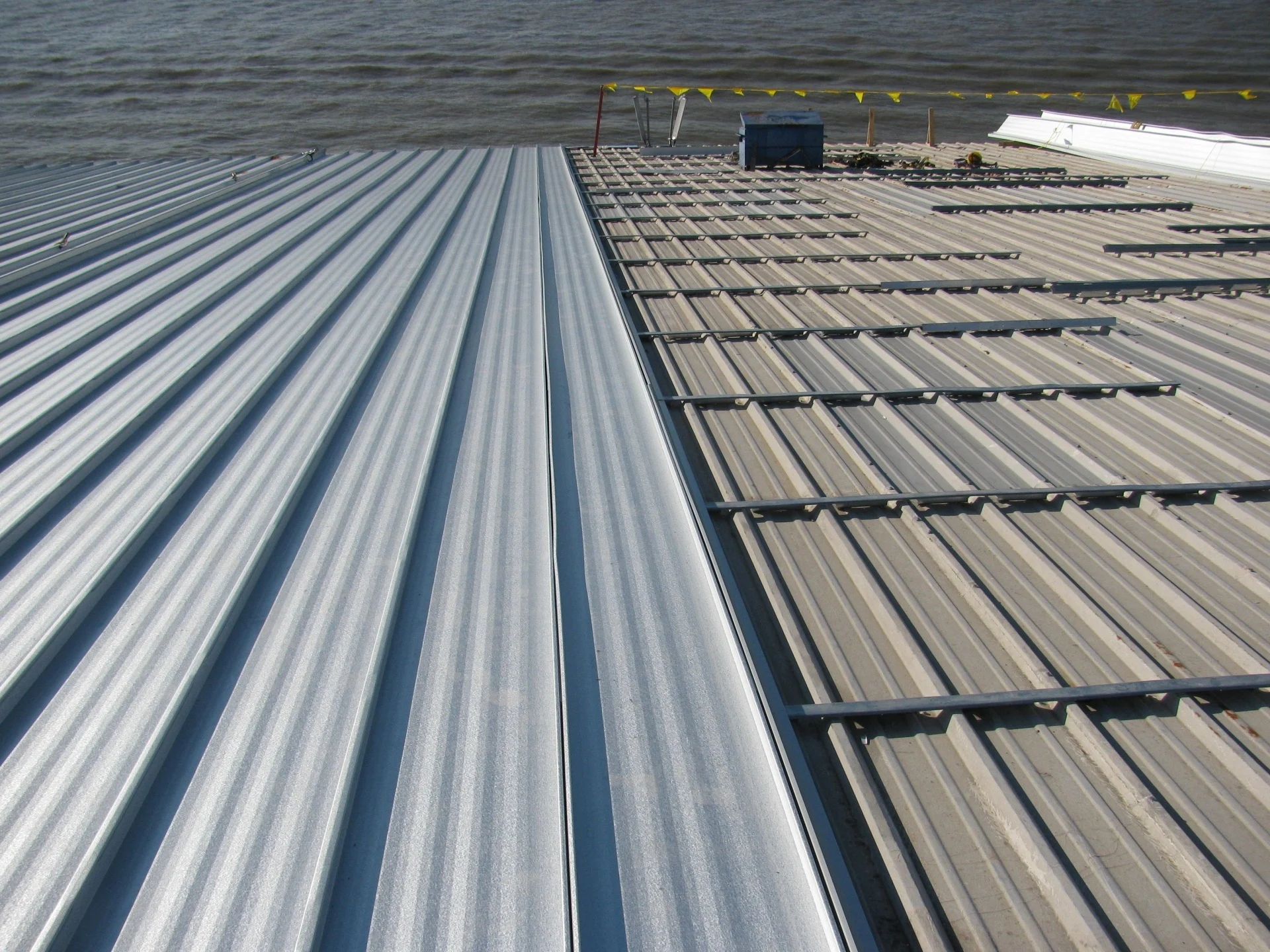
Commercial Re-Roofing in Denver, CO
Commercial Re-Roofing for commercial buildings across Denver.